
Last updated November 24, 2026
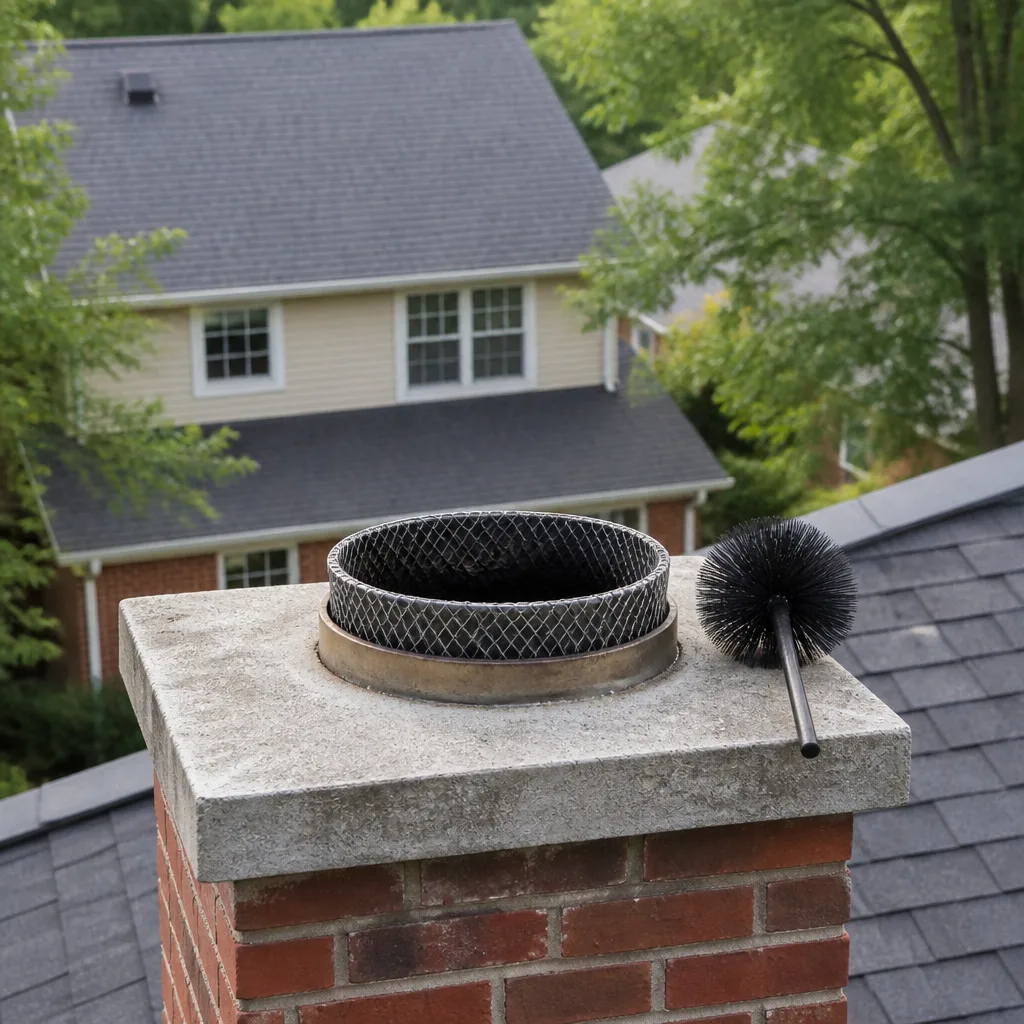 Sweep & inspection
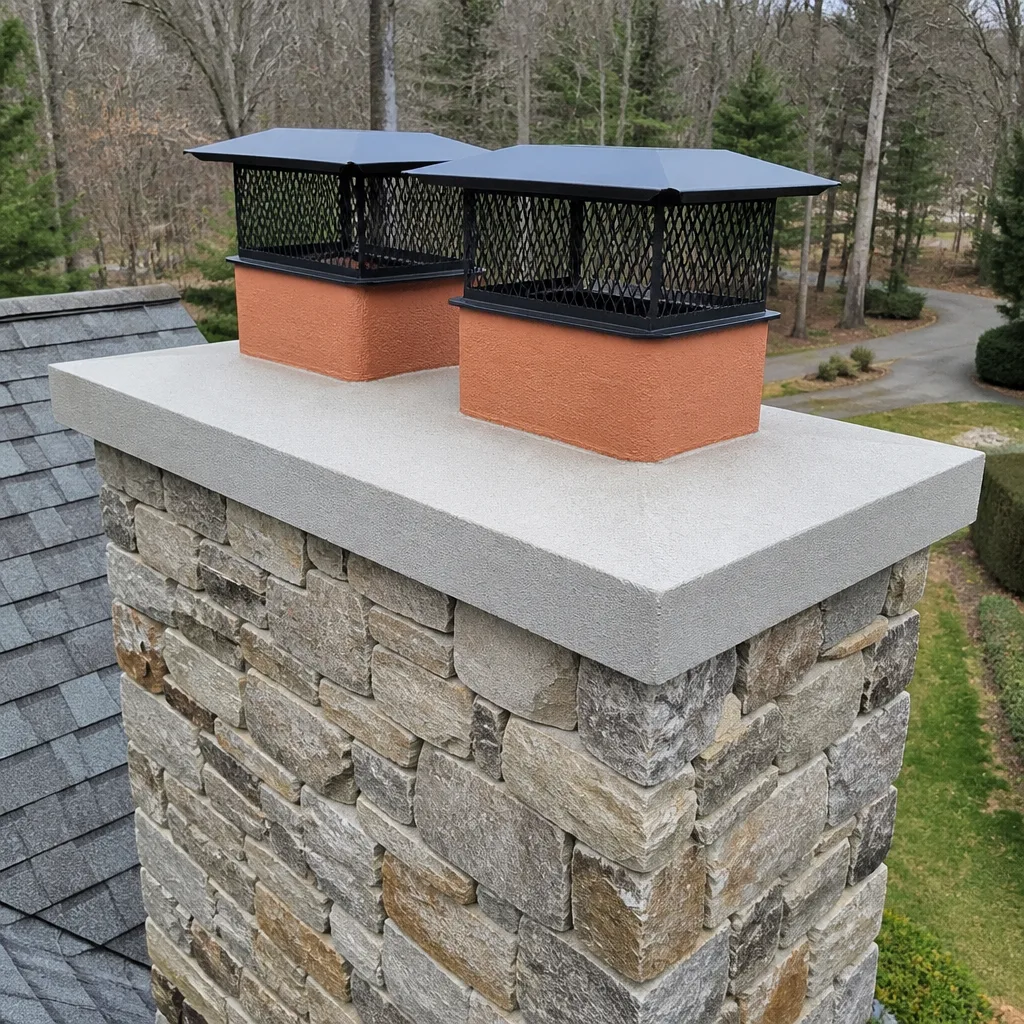 Caps & crowns
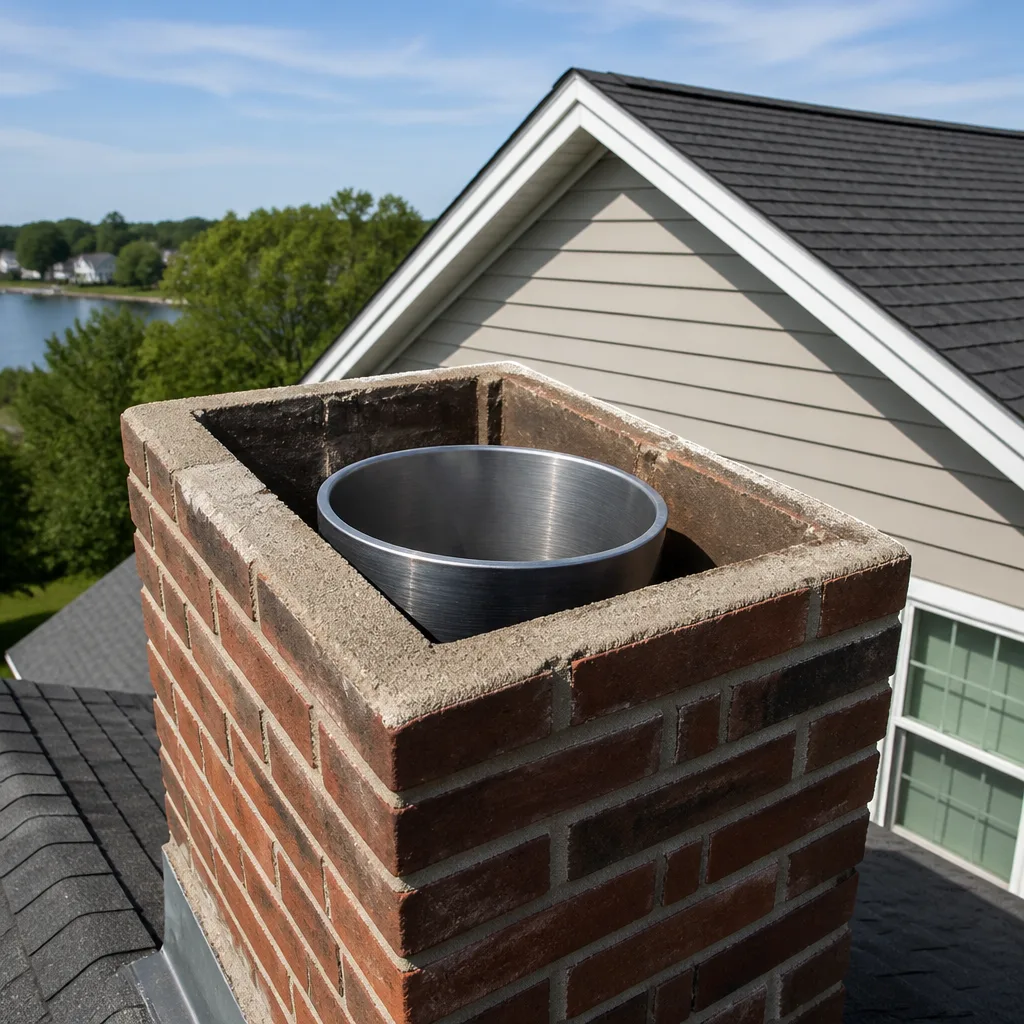 Flue relining
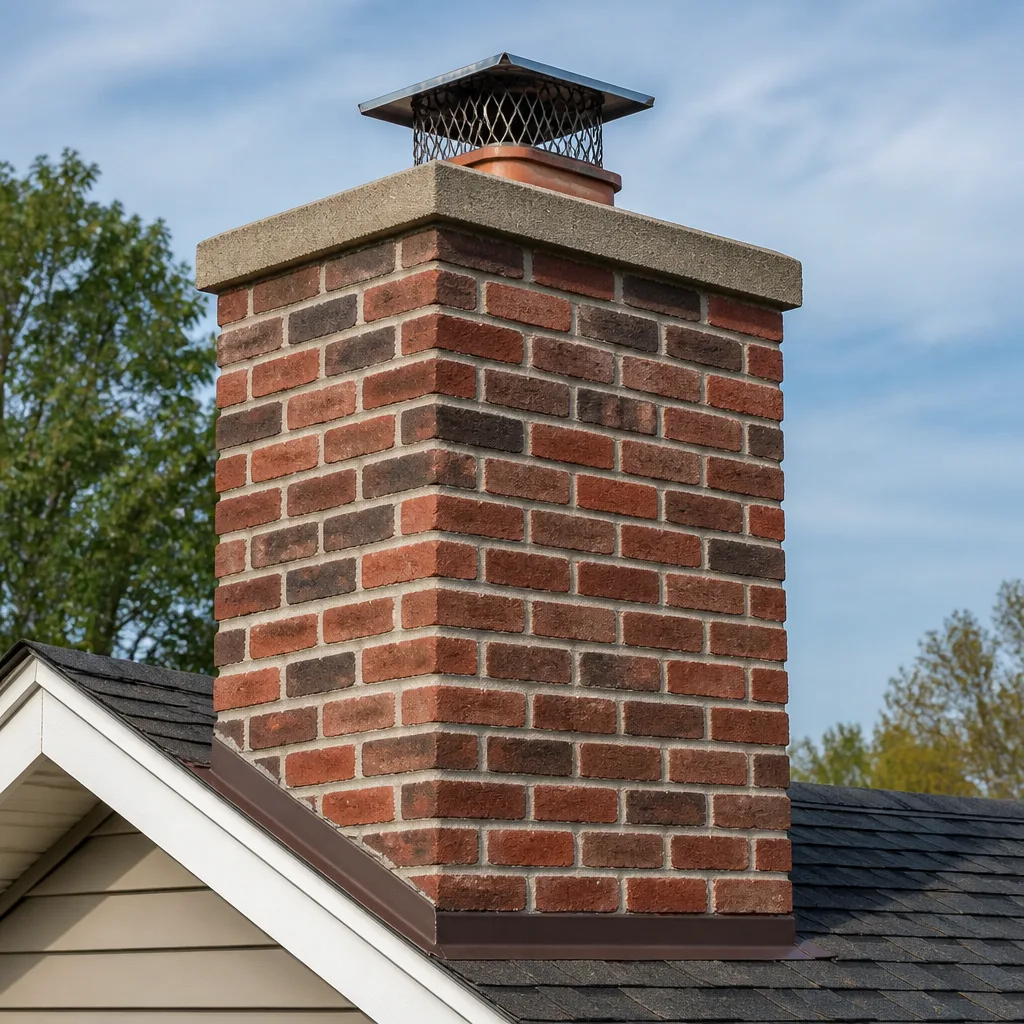 Masonry repair
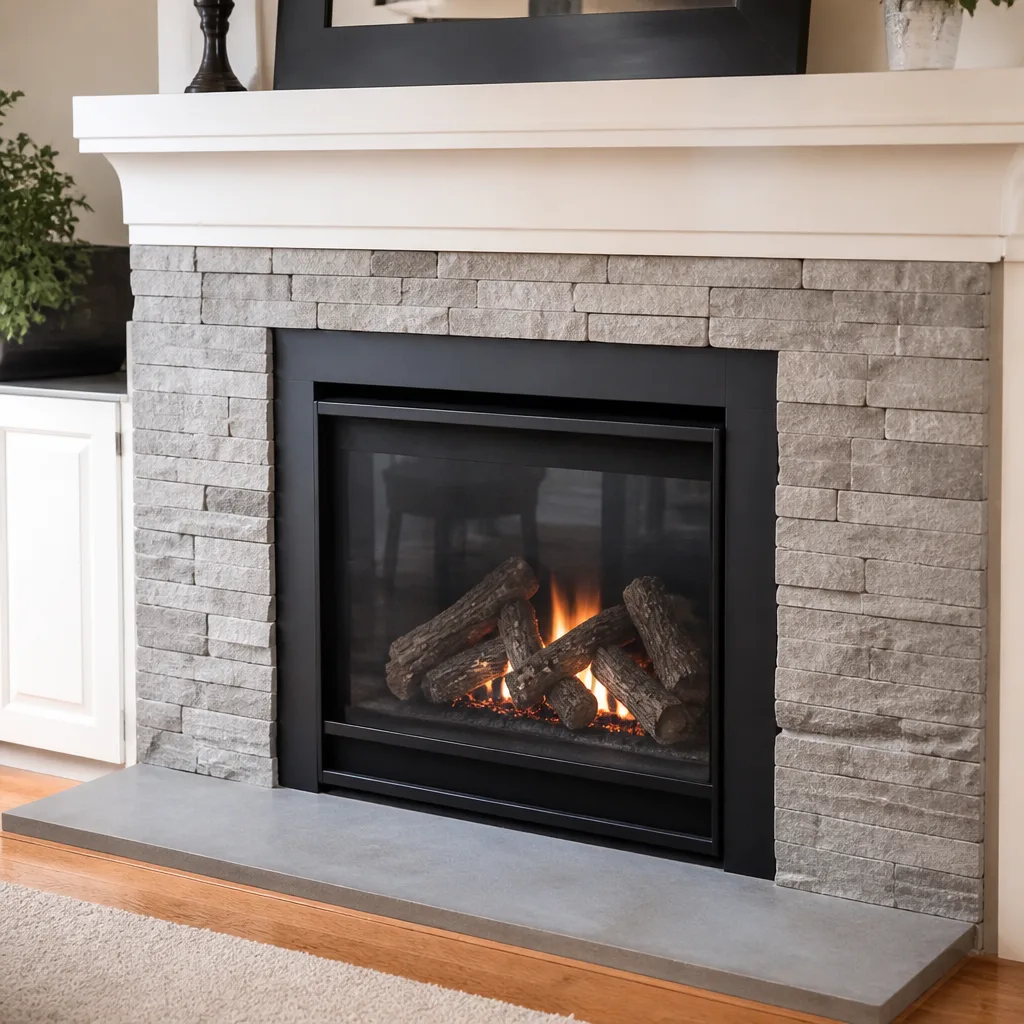 Gas fireplace service
Level 1 sweep and inspection to the NFPA 211 annual standard - flue, crown, cap, and flashing checked and photographed
Chimney sweep logs do not sweep chimneys. They loosen some creosote - which then falls where a brush and vacuum still have to collect it.
Chimney Cleaning Emergency Preparedness Guide for Brighton Homes
A chimney fire doesn’t always sound like a roaring blast. The low-intensity kind burns slowly at temperatures high enough to crack liners and ignite adjacent wood framing, and many homeowners don’t learn one has happened until a technician finds the evidence on the next inspection. That gap between what a chimney emergency looks and sounds like and what people expect is where real damage happens. This guide treats chimney emergency preparedness as a system-level protocol for your whole assembly, not a list of phone numbers stuck to the fridge. You’ll learn to recognize each type of event by its sensory signature, respond correctly in the moment, and know what has to happen afterward. If you heat with wood in Brighton, this is the part of home safety worth reading twice.
Quick Answer
Chimney emergencies fall into three patterns: active chimney fire, sudden blockage with smoke and carbon monoxide rollout, and silent liner failure. For an active fire, call 911, close the damper and firebox door, and get everyone outside. For smoke rolling into the room with no visible fire, open a window, check the damper, and get the system inspected. For a faint smoke smell or discoloration, stop using the fireplace and book an inspection. In every case, no fire goes back in the firebox until a professional has inspected the system and cleared it. Prevention starts with an annual chimney sweep and inspection, which is what catches most problems before they become emergencies.
Styles & brands we work with
- Sweep & inspection
- Caps & crowns
- Flue relining
- Masonry repair
- Gas fireplace service
Table of Contents
- What Are the Three Types of Chimney Emergencies?
- How Do You Recognize Each Chimney Emergency by Its Sensory Signature?
- What Should You Do During a Chimney Fire? The Immediate Response Protocol
- What Happens After a Chimney Fire? Inspection, Documentation, and Insurance
- How Do You Prepare for Carbon Monoxide Risk From a Chimney System?
- Why Do Brighton Winds Cause Smoke Rollout and Downdraft?
- How Do You Build a Chimney Emergency Plan Before You Need It?
- When Should You Call a Professional?
What Are the Three Types of Chimney Emergencies?
Most chimney problems we see fall into three categories, and each one asks something different of you. Treating them as one blob is where people go wrong. A roaring fire needs emergency services. A smoke rollout needs a clear head and a damper check. A liner that has quietly failed needs a professional inspection before the next burn. The response is different in each case, and knowing which one you’re facing keeps you from either overreacting or, more dangerously, underreacting.
Here’s the framework we walk Brighton homeowners through:
- Active chimney fire. Combustion inside the flue itself, usually fueled by creosote. Can be loud and obvious or slow and nearly silent. Requires calling 911 and evacuating.
- Blockage event. Something stops the flow of exhaust: a nest, a fallen cap, heavy soot collapse, or a closed or partially closed damper. Products of combustion, including carbon monoxide, back up into the living space. Requires immediate ventilation and a professional inspection before reuse.
- Liner failure. The flue liner has cracked, spalled, or separated. This is the quiet one. You may notice a faint smoke smell, discoloration on the chimney exterior or nearby wall, or nothing at all until an inspection finds it. Requires stopping use and booking an inspection.
Brighton’s mix of older housing stock and newer builds on the edges of town means we see all three. The older homes have liners that have been through decades of heating seasons. The newer ones sometimes have flue configurations that weren’t swept as regularly as they should have been because the owner assumed a newer chimney was a maintenance-free chimney. Neither assumption holds. Your chimney is a system, and every part of it wears.
How Do You Recognize Each Chimney Emergency by Its Sensory Signature?
Every chimney emergency leaves clues, and you can learn to read them. The skill here isn’t technical diagnosis. It’s pattern recognition. If you know what a real chimney fire sounds like, what a rollout looks and smells like, and what a failing liner leaves behind, you’ll act faster and more correctly when something goes wrong.
Active chimney fire
A chimney fire can present as a low rumble or a roaring, crackling sound that seems to come from inside the wall or the flue itself, not the firebox. You may hear popping or tapping. The chimney pipe or the surrounding wall may feel unusually hot to the touch. Outside, you might see thick smoke or, in more severe cases, flames or sparks exiting the top of the chimney. Some chimney fires produce very little visible smoke and are only detected after the fact.
Blockage event
Smoke rolls out of the firebox opening into the room rather than going up. The fire may seem sluggish or struggle to catch. A wood stove or insert may show a sudden drop in draft, or the fire may puff and backdraft when you open the door. If the blockage is severe, carbon monoxide can build up in the room, and a CO alarm may sound. Any smoke rollout is a real event, not just a nuisance.
Liner failure
The signature here is subtle. A faint smoke smell in the room that doesn’t clear, even when the fireplace isn’t in use. Discoloration or a white, chalky stain on the exterior of the chimney or the interior wall near it. Creosote or soot visible in places it shouldn’t be, like around a flue collar or in the attic space. Sometimes there’s nothing to see or smell, which is exactly why an inspection matters.
If you’re not sure which pattern you’re looking at, err toward caution. A professional chimney repair inspection will tell you definitively what’s happening. Guessing is not a strategy when the stakes are a fire in the walls or a CO event in a sleeping house.
What Should You Do During a Chimney Fire? The Immediate Response Protocol
The single most important rule during an active chimney fire is to limit the air getting to it. A chimney fire feeds on oxygen, and the firebox door is the biggest oxygen source you control. This is the opposite of what people’s instincts tell them. The urge is to open the door, throw water on it, or check what’s happening inside. Don’t. Every one of those actions can feed the fire or put you in the path of a sudden flare.
Here’s the protocol, in order:
- Call 911. Do this first, before anything else. A chimney fire can spread into the framing, and the fire department needs to know.
- Close the firebox door and the damper. Starve the fire of oxygen. If you have a glass door, close it. If you have a screen, close the firebox as fully as you can.
- Get everyone out of the house. Including pets. This is not the moment to gather belongings.
- If you can do so safely, put a chimney fire extinguisher or a bucket of sand near the firebox, but do not open the door to use it during an active fire. Let the fire department handle it. Your job is to get out and stay out.
- Once the fire is out, do not use the fireplace again until a professional has inspected the system. A post-fire inspection is non-negotiable. The fire may have cracked the liner or damaged the chimney structure in ways you can’t see.
For a blockage event with smoke rollout, the response looks different. Open a window or door to ventilate, make sure the damper is actually open, and get everyone out if a CO alarm sounds. Then call a professional for an inspection before lighting another fire. For a suspected liner failure, stop using the fireplace and book an inspection. No fire until the system is cleared.
What Happens After a Chimney Fire? Inspection, Documentation, and Insurance
A chimney fire is not over when the flames go out. The heat can crack a clay tile liner, warp a metal liner, damage the mortar joints, or char the framing near the chimney. Any of those problems can turn the next fire into a much worse one. This is why a professional inspection after a chimney fire is a required step, not an optional one.
What a post-fire inspection looks for:
- Liner integrity. Cracks, spalling, separation at the joints, and warping in metal liners. A camera inspection lets you see the flue interior, which is often the only way to catch a hairline crack.
- Chimney structure. Damage to the masonry, the crown, and the cap. Heat stress shows up in the crown and the mortar joints.
- Adjacent framing. Charring, pyrolysis, or any sign the fire reached the wood structure. This is the part that turns a chimney problem into a house fire problem.
- Creosote levels and staging. How much creosote is left, and in what condition. Glazed creosote is the dangerous kind.
For insurance, you’ll want documentation. A written inspection report with photos of the flue interior and the exterior condition, plus the technician’s findings and recommendations, gives your insurer what they need. Keep the report. If your policy covers chimney fire damage, the documentation is what makes the claim straightforward rather than a back-and-forth.
This is also where professional-grade materials matter. If the inspection finds a failed liner, the repair involves a real product decision. We work with HeatShield ceramic resurfacing for liners that can be restored without full replacement, and DuraFlex flexible liners for flue runs that aren’t straight. Both are professional-grade systems, not hardware-store substitutes. We also install caps and crowns from Famco and Copperfield, which protect the repair and reduce the chance of a repeat call. We can work with your insurer on the documentation side, though we don’t bill them directly.
How Do You Prepare for Carbon Monoxide Risk From a Chimney System?
Carbon monoxide is the emergency you can’t sense. It’s colorless and odorless, and the symptoms of low-level exposure, headache, fatigue, nausea, are easy to write off as something else. A chimney is one of the places CO can enter a home when combustion isn’t complete or when exhaust can’t escape. The good news is that the risk follows predictable patterns, and a few preparations cover most of them.
Where to place detectors
Place a CO detector on every level of the home and in or near sleeping areas. Put one in the room with the fireplace or wood stove, but not directly above it, since heat and smoke can affect the sensor. Check the detector’s battery and test button on a regular schedule. If a detector ever sounds, treat it as a real event: get everyone outside, call the fire department, and don’t re-enter until they’ve cleared the home.
What causes sudden CO events in a system that was working
A chimney that has worked fine for years can suddenly produce a CO problem. The common causes:
- A new blockage. A bird nest, a fallen cap, or a soot collapse can close the flue and force exhaust back into the room.
- A closed or partially closed damper. Simple, and surprisingly common.
- A liner that has failed. Exhaust finds its way through cracks into the wall cavity or the living space instead of up the flue.
- Incomplete combustion. Wet or green wood, a smoldering fire, or a fire starved of air produces more CO than a clean, hot fire.
- Pressure changes. A strong downdraft, a bath fan, or a kitchen exhaust fan can pull exhaust back down the flue if the chimney doesn’t have adequate draft or a proper cap.
Most of these are preventable with an annual inspection and a properly installed cap. That’s why we treat CO preparedness as part of the same system as the sweep. The inspection catches the liner problems and the blockages; the cap and crown work keeps the wind and the weather from creating new ones. If you’re not sure your system is ready, book a Chimney Sweep Brighton inspection and we’ll walk you through what we find.
Why Do Brighton Winds Cause Smoke Rollout and Downdraft?
Brighton sits on the plains north of Denver, and the wind here has a habit of finding the top of a chimney. When a strong gust hits the flue opening, it can overcome the upward draft and push air back down. The result is a smoke rollout: a puff of smoke into the room, sometimes a backdraft through an open firebox door, and a fire that suddenly struggles. On a windy day, this can happen to a chimney that drafts perfectly on a calm one.
Several things make it worse:
- A missing or undersized cap. A good cap does more than keep rain and animals out. It also stabilizes the airflow at the top of the flue and reduces the chance of a downdraft. A cap installed for the flue size, from a maker like Famco or Copperfield, is a wind problem solved.
- A short chimney. A flue that doesn’t rise far enough above the roof or nearby obstructions is more vulnerable to pressure changes.
- A nearby taller structure. A tree, an adjacent roofline, or a neighboring building can create turbulence right at the chimney top.
- A cold flue. A cold chimney drafts poorly for the first few minutes of a fire, which is exactly when a gust is most likely to win.
If smoke rollout is a recurring event in your Brighton home, the fix usually starts with the top of the chimney: a proper cap and crown, sized correctly. Sometimes it’s a liner issue underneath. A camera inspection tells you which. We’ve seen this pattern enough that we check the cap and crown on every inspection, not just when the homeowner reports a problem.
How Do You Build a Chimney Emergency Plan Before You Need It?
A chimney emergency plan is one page, and it saves you from making decisions while adrenaline is doing the thinking. Build it before the heating season, review it with everyone in the house, and post it near the fireplace.
- Know your three emergency patterns. Write down, in your own words, what a chimney fire sounds like, what a smoke rollout looks like, and what a liner failure smells like. Keep it where you can find it.
- Test your smoke and CO detectors. Every level, every sleeping area. Replace the batteries on a schedule. If you don’t have a CO detector in the room with the fireplace, add one.
- Keep the right tools within reach. A chimney fire extinguisher or a bucket of sand near the firebox. A flashlight. A phone in a spot where you can grab it on the way out.
- Book the annual sweep and inspection before the heating season. In Brighton, that means late summer or early fall, before the first cold snap has everyone lighting fires. A clean, inspected system is the baseline.
- Have the cap and crown checked every year. These are the parts of the system that keep wind, rain, and animals out. A cracked crown or a missing cap is a future emergency waiting on a gust.
- Write down the response steps. For a fire: call 911, close the door and damper, get out. For a rollout: open a window, check the damper, get out if a CO alarm sounds. For a suspect liner: stop using the fireplace and book an inspection.
- Know who to call. Your chimney professional’s number, on the plan, next to the fire department’s.
The sweep itself is the prevention step. Creosote is what fuels most chimney fires, and the annual chimney sweep removes it. The inspection is the diagnostic step, and it’s what catches a failing liner or a cracked crown before the weather finds them. Together they turn the system from a risk you manage reactively into one you manage on purpose. We handle every layer, from the firebox floor to the crown cap, so the sweep, the inspection, and any repair come from one call.
Common Mistakes to Avoid
- Opening the firebox door during a chimney fire. This is the most dangerous thing you can do. The fire is drawing hard, and an open door feeds it oxygen and can pull flames into the room.
- Assuming a silent chimney fire didn’t happen. Low-intensity fires are common and often undetected until an inspection. If you’ve had an unusually hot flue, a spike in creosote smell, or a chimney that behaved differently than usual, book an inspection even if nothing dramatic happened.
- Using the fireplace after a fire without an inspection. The fire may have cracked the liner or the crown, and the next fire is the one that matters.
- Relighting after a smoke rollout without finding the cause. A rollout is a symptom, not the event. If the cause was a blockage or a draft problem, it will happen again. Get it diagnosed.
- Skipping the cap on a Brighton chimney. On the plains, wind is a maintenance factor, not a rare event. A cap is the cheapest thing you can add to protect the flue from downdraft and the debris that comes with it.
- Treating the annual sweep as the whole job. A sweep cleans. An inspection diagnoses. If your provider only sweeps, the liner and the crown never get checked, and those are where the expensive surprises come from.
- Ignoring a CO detector that chirps or sounds intermittently. A detector that goes off is telling you something. Get the system inspected before the next fire.
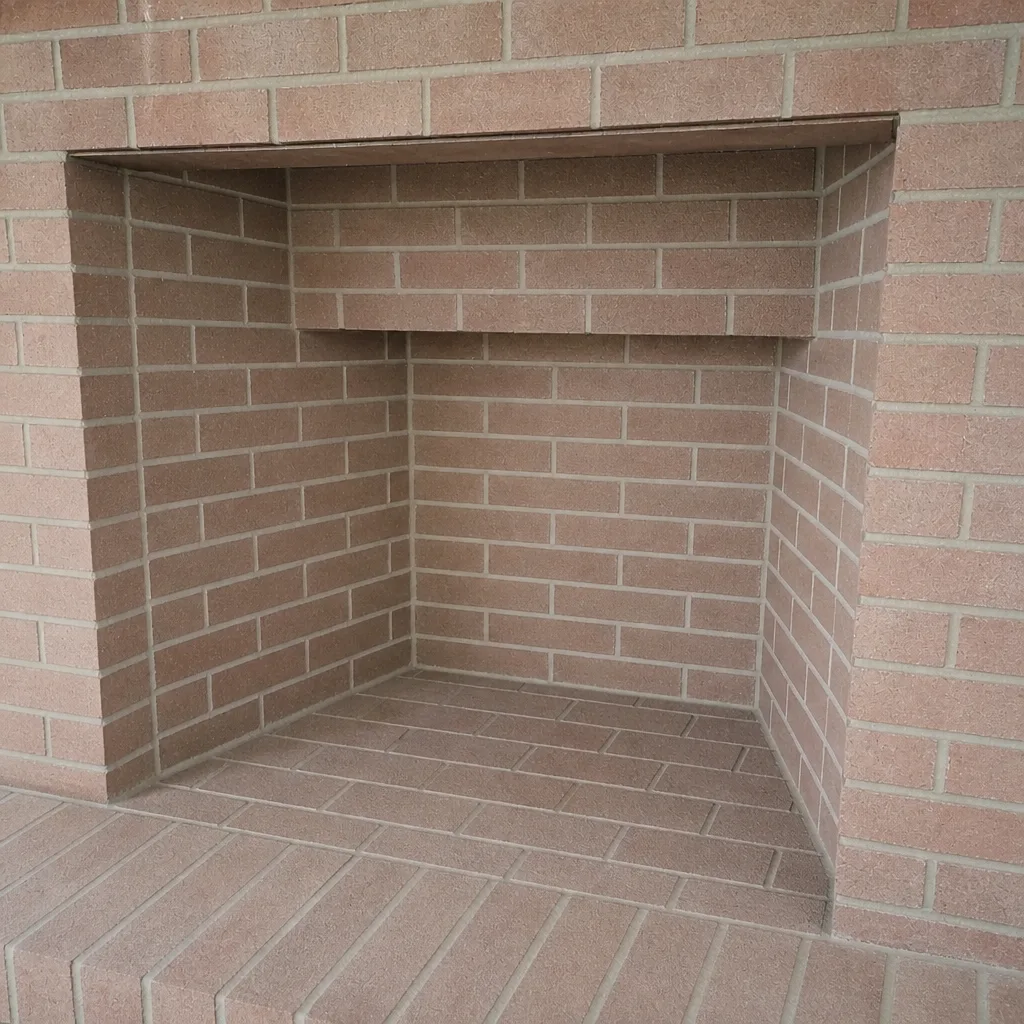
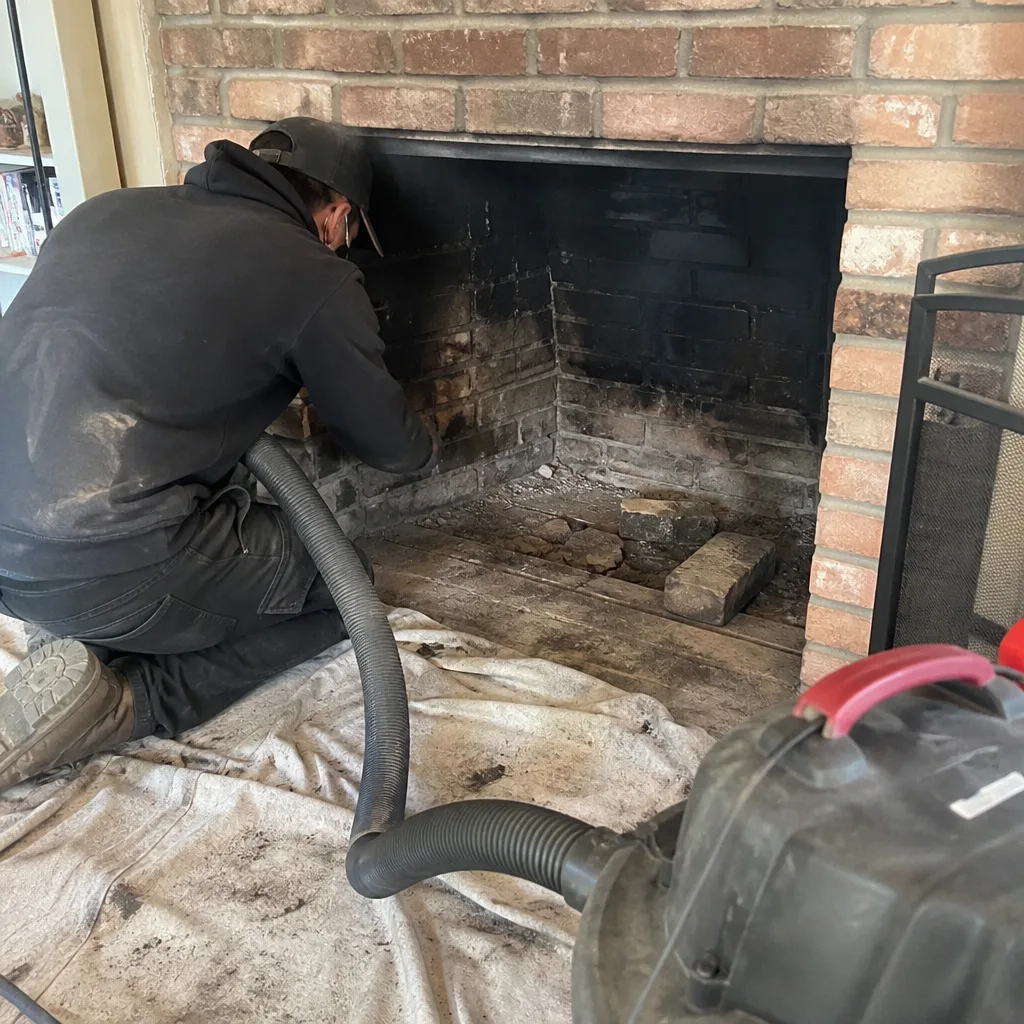
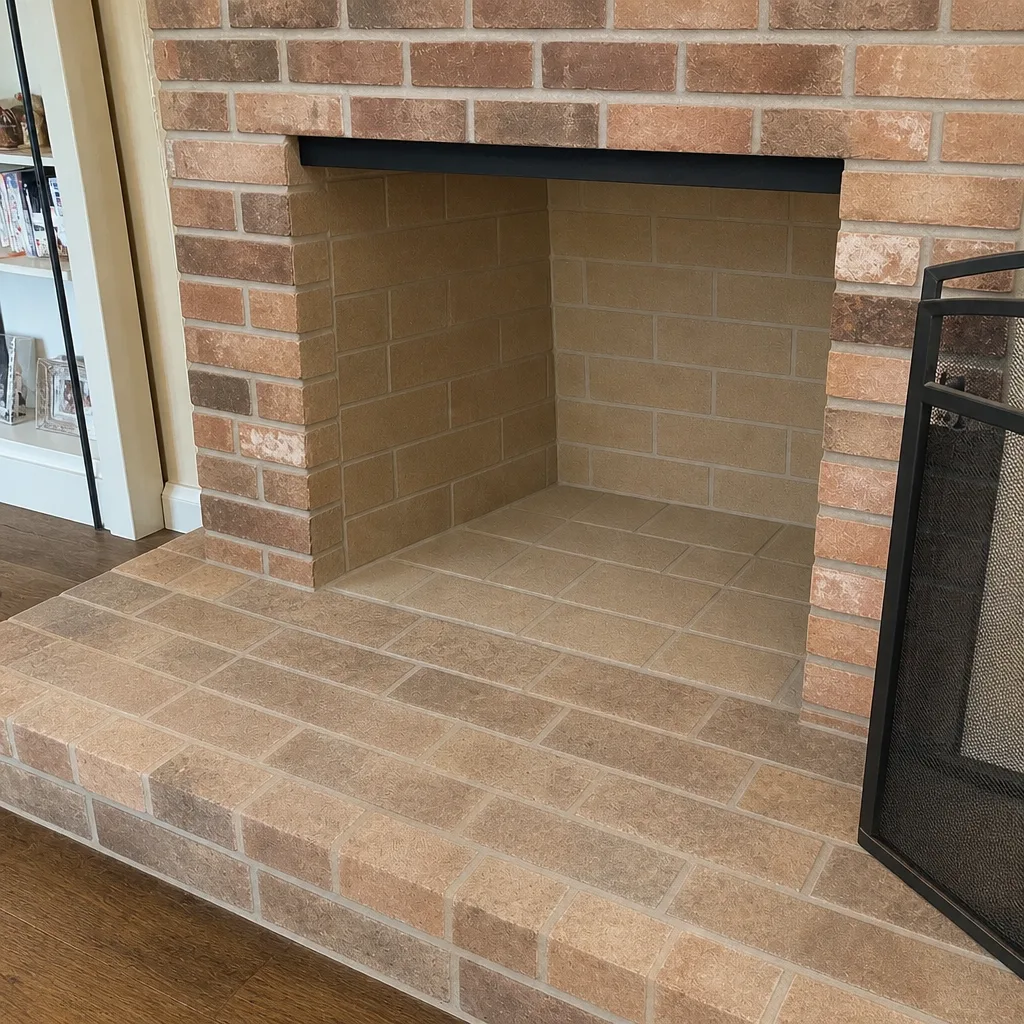
See the difference
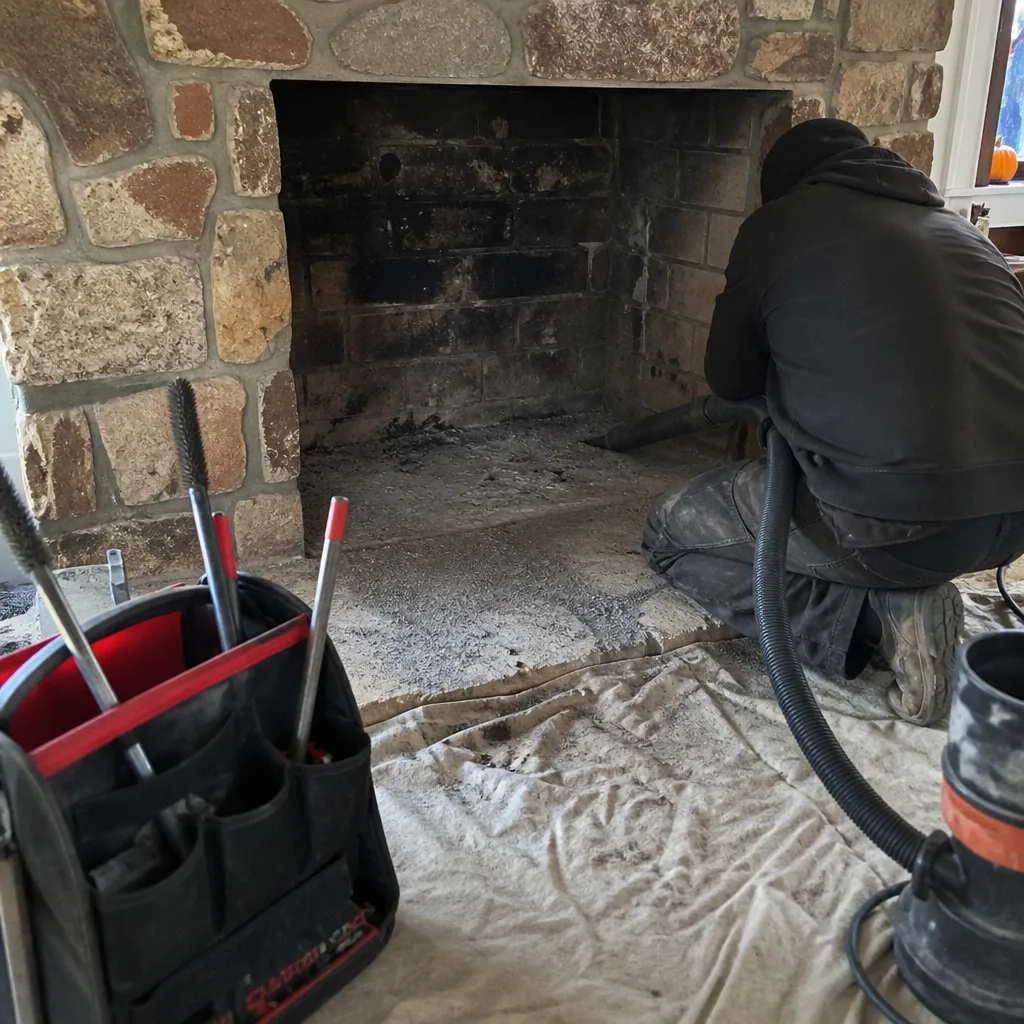 Before
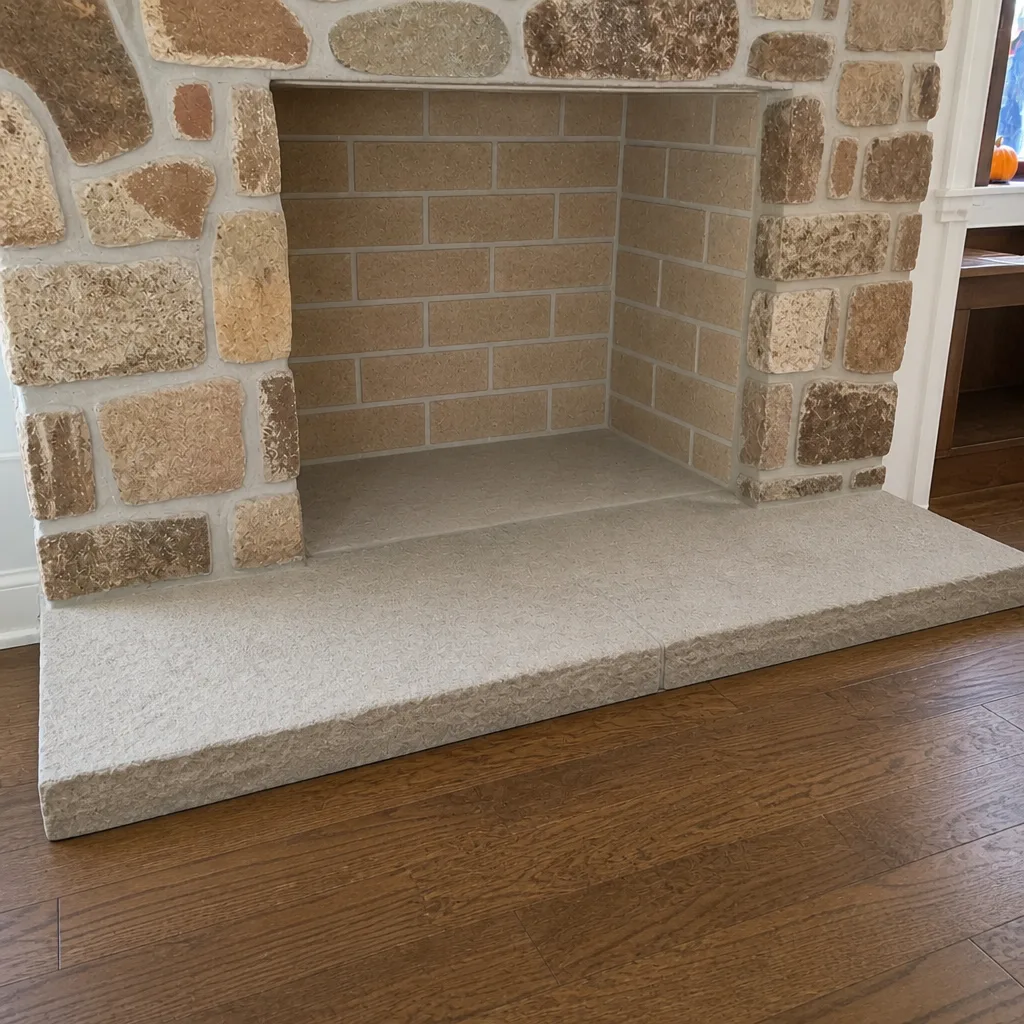 After
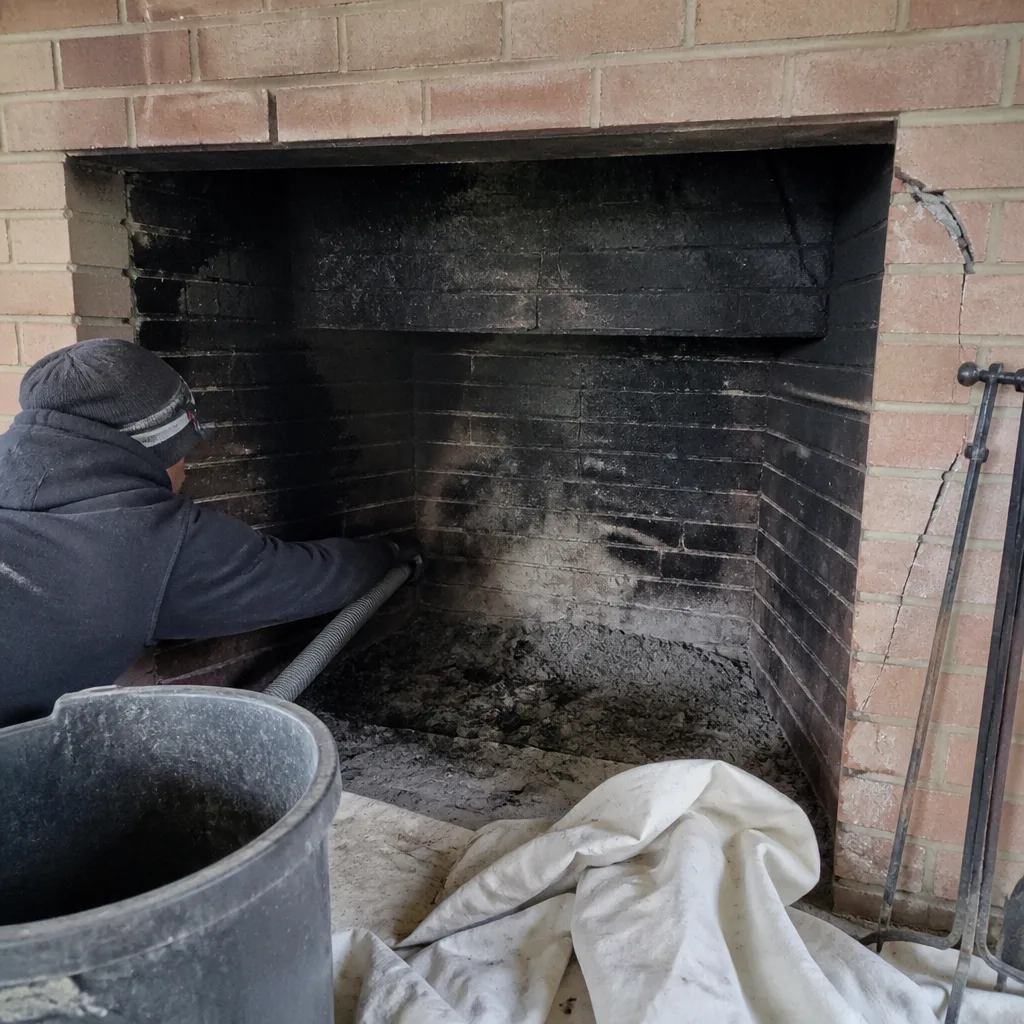 Before
 After
 Before
 After
When to Call a Professional
Call a professional after any chimney fire, even one you think was small. Call after any smoke rollout, any CO alarm connected to the fireplace, or any time you notice a faint smoke smell that won’t clear or discoloration on the chimney or the nearby wall. Call if the cap is missing, cracked, or the crown has visible damage. Call if you can’t remember the last time the system was swept. And call if you’re unsure, because the inspection is how you find out.
For the sweep and the inspection, we recommend booking before the heating season. Our technicians have up to 13 years of experience, and we work with professional-grade materials the whole way through: HeatShield for liner resurfacing, DuraFlex for flexible liner installs, and Famco and Copperfield for caps and crowns. Chimney Sweep Brighton offers free estimates in Brighton. Call (877) 559-4656. We answer 24/7. Fast dispatch from 7am to 7pm, Sunday through Friday.
Frequently Asked Questions
You often can’t tell from the outside. Some chimney fires are loud, with roaring, popping, and sparks or heavy smoke from the top. Others burn slowly and quietly, and the only evidence shows up on an inspection: cracked tiles, warped metal, or glazed creosote. If you suspect one, stop using the fireplace and book an inspection. Call (877) 559-4656 for an exact quote on the inspection; estimates are free.
Open a window or door to ventilate and check that the damper is fully open. If a CO alarm sounds or anyone feels unwell, get everyone outside and call the fire department. Don’t relight the fire until a professional has found the cause. A smoke rollout usually means a blockage or a draft problem, and both need diagnosis before the next fire.
Yes. A post-fire inspection is required before the system goes back into use. The heat can crack a liner, damage the crown, or char the framing, and none of that is visible from the firebox. The inspection report is also what your insurer will want if you file a claim. Skimping on the inspection is the risk that keeps on giving.
Sweep at least once a year if you burn wood regularly, and more often if you burn heavily or often burn green or unseasoned wood. The sweep removes creosote, which is the fuel for most chimney fires. Pair the sweep with an inspection so the liner and crown get checked at the same time. Call (877) 559-4656 to book one; estimates are free.
On every level of the home, in or near sleeping areas, and in the room with the fireplace but not directly above it. Test the detectors regularly and replace batteries on schedule. If a detector sounds, get everyone outside and call the fire department before doing anything else.
Strong winds hitting the top of the flue can overcome the draft and push air back down, which is a common cause of smoke rollout on the plains. A proper cap sized for the flue stabilizes the airflow and stops most of it. A short chimney, a nearby obstruction, or a cold flue makes it worse. An inspection will tell you which factor is driving it in your home.
The Bottom Line
Chimney emergencies follow patterns. An active fire wants oxygen, so close the door and the damper and call 911. A smoke rollout means a blockage or a draft failure, so ventilate, check the damper, and get it diagnosed before the next fire. A liner failure is the quiet one, and the annual inspection is how you catch it. The prevention side is just as clear: a yearly sweep removes the creosote, an inspection checks the liner and crown, and a proper cap handles the wind. If you’re in Brighton and you haven’t had the system looked at this season, that’s the call to make.
Call Chimney Sweep Brighton at (877) 559-4656 for a free estimate. We answer 24/7. Fast dispatch from 7am to 7pm, Sunday through Friday. From the firebox floor to the crown cap, one company, one call. See our fireplace repair and chimney repair services for the repair side of the system.
Written by the team at Chimney Sweep Brighton.