
Last updated November 24, 2026
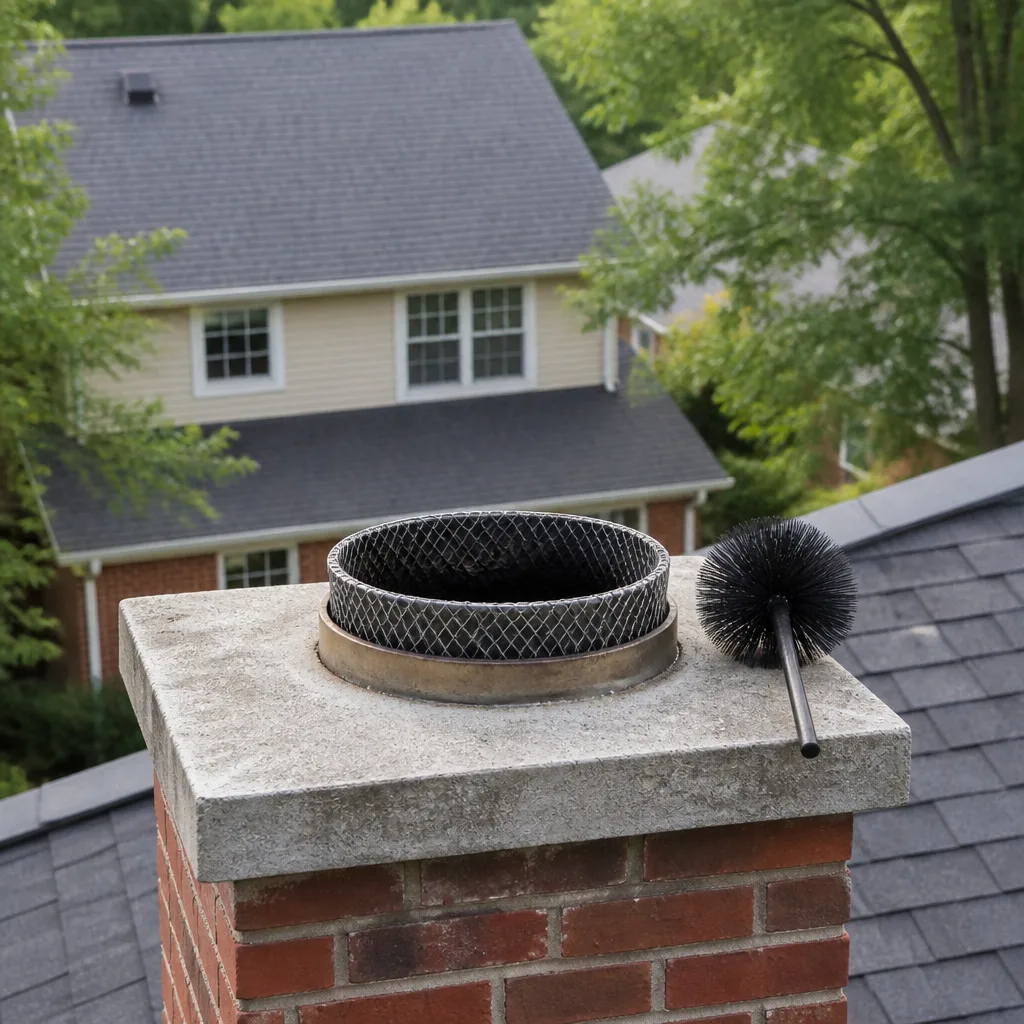 Sweep & inspection
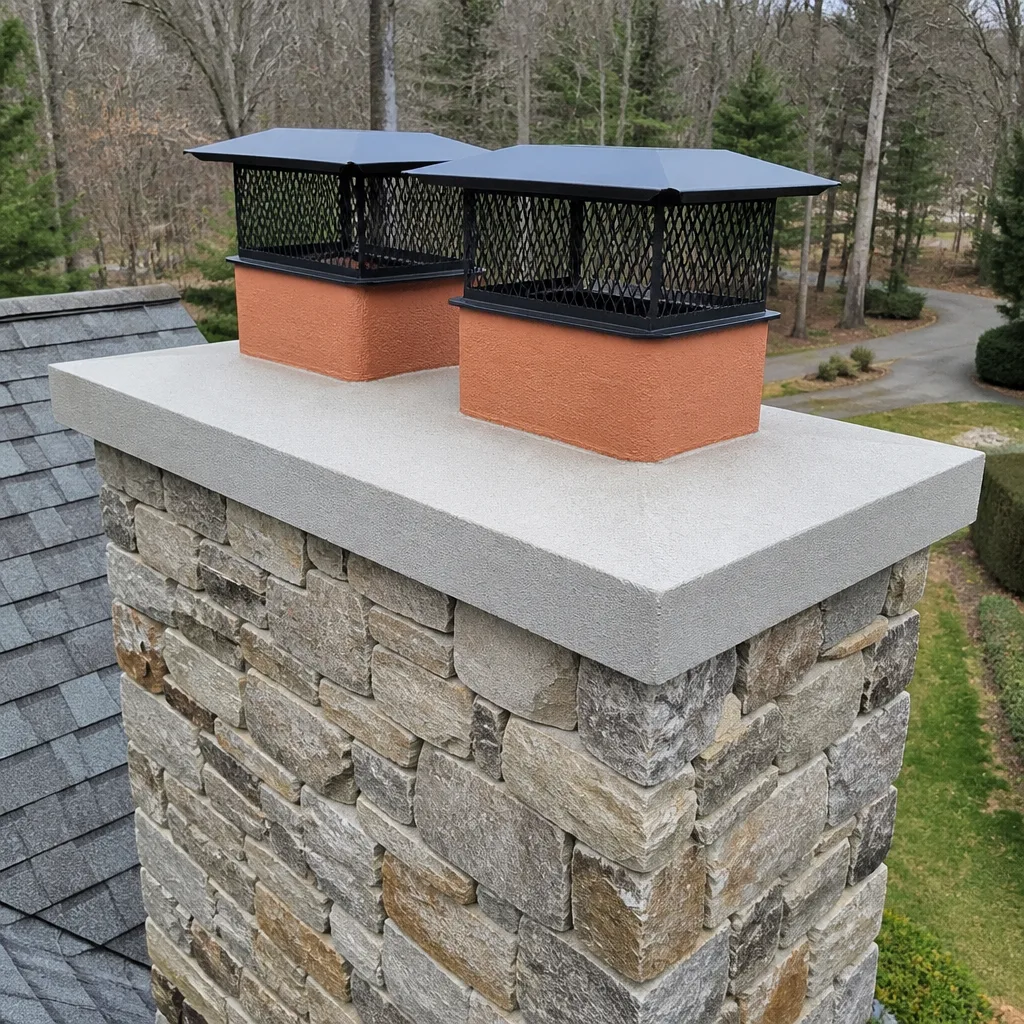 Caps & crowns
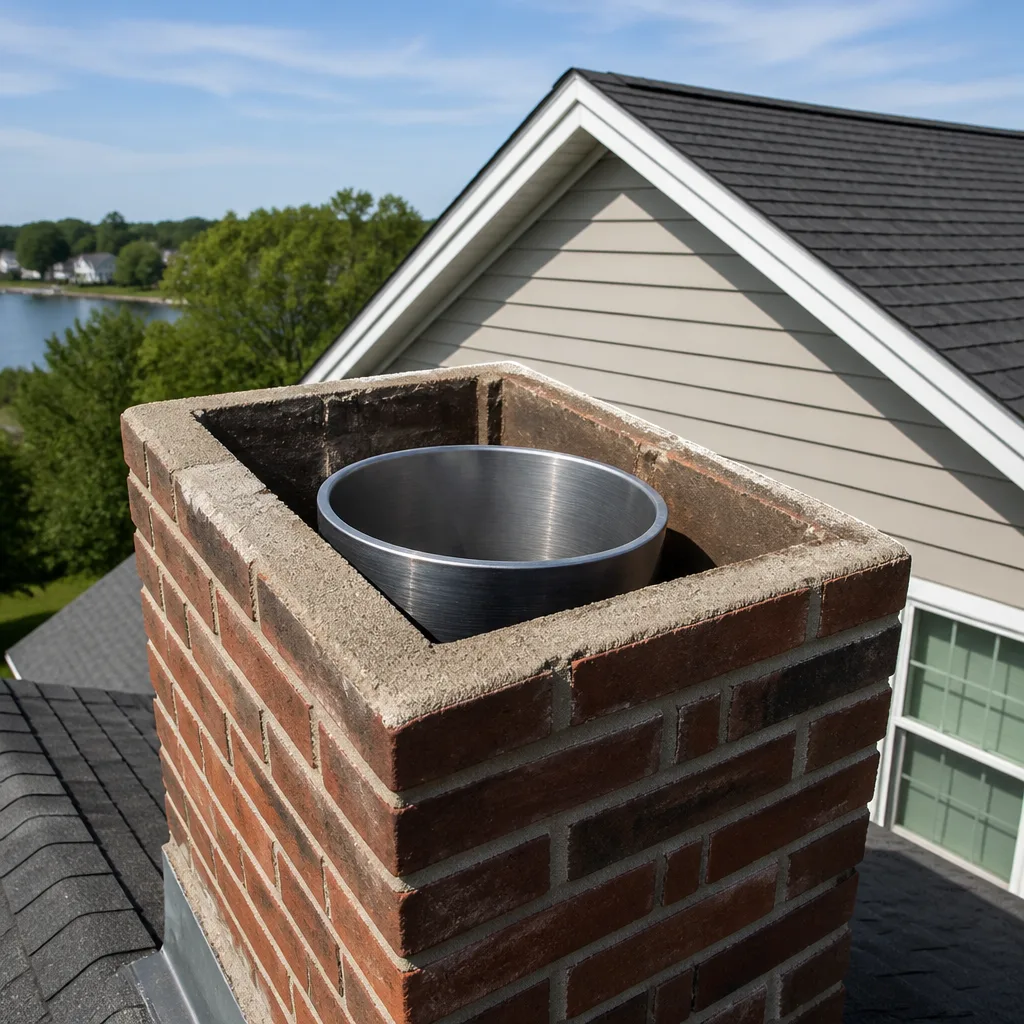 Flue relining
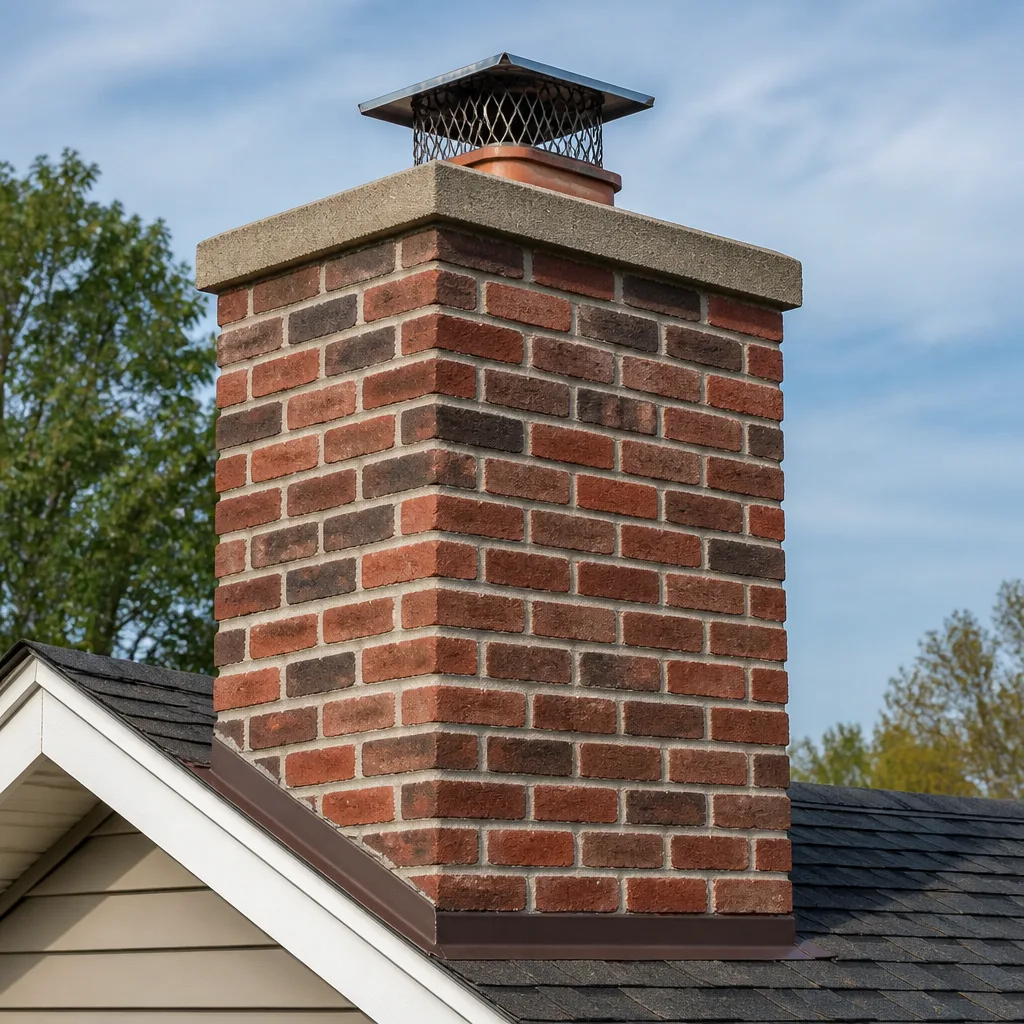 Masonry repair
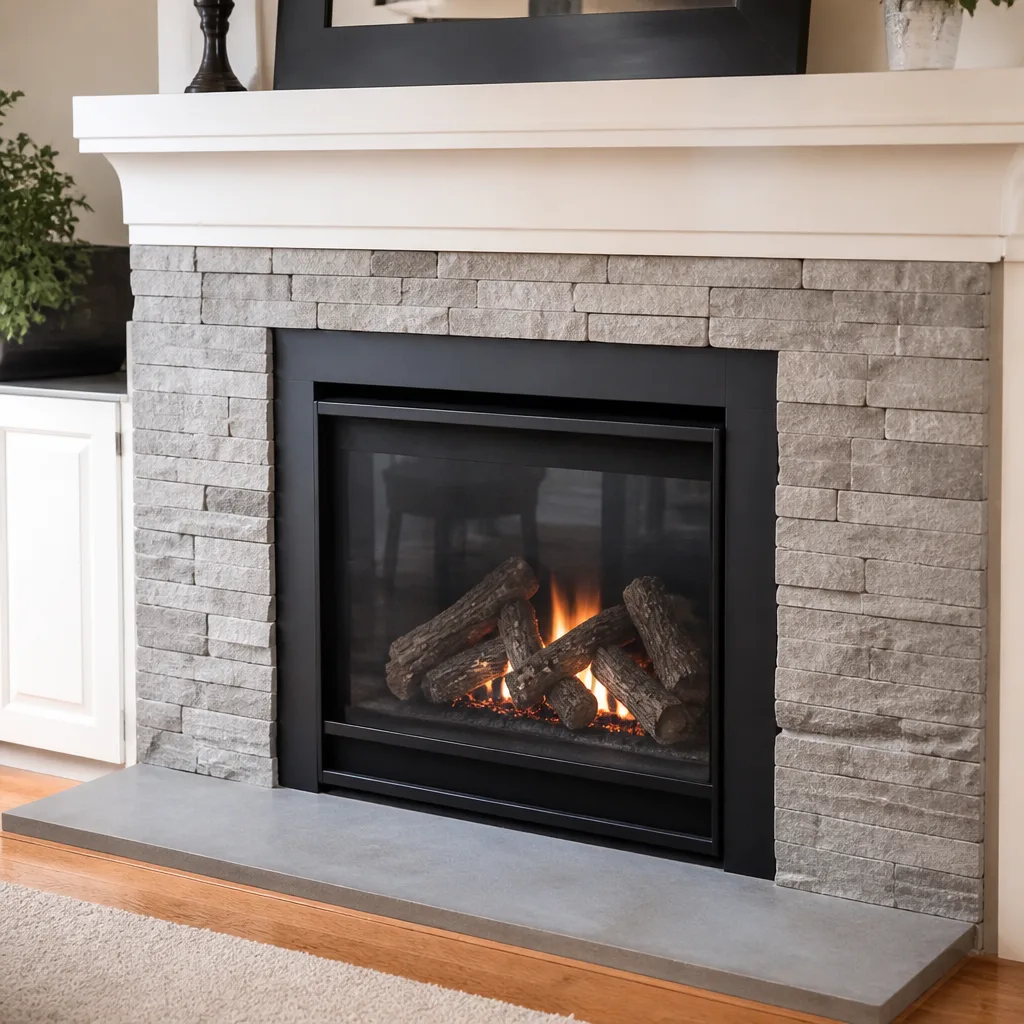 Gas fireplace service
Level 1 sweep and inspection to the NFPA 211 annual standard - flue, crown, cap, and flashing checked and photographed
Chimney sweep logs do not sweep chimneys. They loosen some creosote - which then falls where a brush and vacuum still have to collect it.
Chimney Sweep Maintenance Checklist for Brighton Homeowners
The most common thing we find on a first visit isn’t a flue packed with creosote. It’s a cracked crown that has been quietly funneling water into the masonry for two or three winters while the homeowner assumed everything was fine, because the fireplace still “worked.” That’s the trap with chimneys in Brighton: they fail from the top down and from the inside out, slowly enough that the fire keeps burning while the structure around it softens. This checklist is organized by chimney zone rather than by calendar date, because deterioration doesn’t keep a schedule. You’ll learn what you can safely inspect from the ground and roofline, what the warning signs actually look like, what to photograph before you call anyone, and which tasks belong to you versus a professional.
Styles & brands we work with
- Sweep & inspection
- Caps & crowns
- Flue relining
- Masonry repair
- Gas fireplace service
Quick Answer
A chimney maintenance checklist for Brighton homeowners should cover five zones: the crown and cap at the top, the brick and mortar of the stack, the flashing where the chimney meets the roof, the firebox and damper, and the flue itself. You can safely inspect the first four visually from ground level and, where you can do so without climbing, the roofline. The flue interior and any repair work require a trained sweep. Run the visual checks in fall and again after winter, and book a professional sweep and inspection annually.
Table of Contents
- Why We Organize This Checklist by Zone, Not by Date
- The Ground-Level and Roofline Walk-Around
- Zone 1: The Crown, Cap, and What They Protect
- Zone 2: Brick, Mortar, and Brighton’s Freeze-Thaw Cycle
- Zone 3: The Firebox, Damper, and Smoke Chamber
- Zone 4: The Flue Interior and Creosote
- What to Photograph Before You Call
- The Seasonal Trigger System: Fall, Post-Winter, and Annual
- Common Mistakes to Avoid
- When to Call a Professional
- Frequently Asked Questions
- The Bottom Line
Why We Organize This Checklist by Zone, Not by Date
Most chimney maintenance advice hands you a calendar: sweep in fall, inspect in spring, done. That works for the flue, which fills at a fairly predictable rate depending on how much you burn. It doesn’t work for the structure, because water damage, mortar failure, and crown cracking don’t respect a date. A hairline crack that opens on the first hard freeze of October doesn’t wait until your spring appointment to start letting meltwater in.
Treating your chimney as a system changes how you maintain it. The flue carries smoke, the firebox contains the fire, the damper regulates draft, the masonry holds the whole assembly upright, the crown caps it, and the flashing keeps the roof junction dry. Each zone fails on its own timeline. If you check them by calendar date, you’ll catch the flue on schedule and miss the crown entirely, which is exactly how a small surface crack becomes a saturated masonry column.
The same applies to how you look at a chimney when you buy a house in Brighton. A pre-purchase inspection that only sweeps the flue tells you nothing about the crown. And the second part of the system problem is access: the flue interior and any repair work require a trained professional, because that’s where heat, creosote, and confined space make DIY genuinely dangerous. Book a professional chimney sweep for the flue and schedule your visual checks by zone.
In our experience, the homeowners who avoid expensive repairs aren’t the ones who sweep more often. They’re the ones who look at the right parts of the chimney at the right times and write down what they see. The Chimney Sweep Brighton approach is exactly this: diagnose before quoting, and let the inspection inform every repair instead of guessing from a glance.
The Ground-Level and Roofline Walk-Around
You don’t need to get on the roof to see a lot. A ground-level walk-around takes about ten minutes and catches most of the visual problems that lead to structural work. Do it in daylight, ideally when the masonry is dry so you can tell a stain from a shadow. Binoculars help more than you’d expect for the parts you can’t reach.
Here’s the walk-around sequence we suggest:
- Stand back far enough to see the full stack and the roofline together. Look for lean, settlement, or a chimney that no longer looks vertical.
- Check the top: is the cap intact and in place, or is it rusted, missing, or sitting crooked?
- Look at the crown, the sloped concrete top around the flue. You’re checking for cracks, missing chunks, or a surface that has separated from the flue.
- Scan the brickwork for white stains, crumbling faces, or a powdery look on the mortar joints.
- Look at the flashing, the metal that seals the chimney to the roof. Water streaks or lifted edges are a warning.
- Walk inside and look at the ceiling and attic near the chimney for discoloration or dampness.
None of these steps require you to touch anything hot or climb onto a roof. Where a roof is steep or you don’t have safe footing, stay on the ground and use binoculars, and let a technician do the close inspection. The point of your walk-around is to gather evidence and notice change, not to perform the repair.
Zone 1: The Crown, Cap, and What They Protect
The crown is the most neglected part of most chimneys, and it’s the first thing we check. It’s the sloped concrete cap at the very top, and its job is to shed water away from the flue and the masonry below. A cracked crown is the single most reliable path to water damage, because every bit of rain that lands on it drains into the structure instead of off it. And because the damage happens from the inside, you won’t see it from the living room.
What to look for on the crown:
- Cracks of any width – even hairline ones widen with freeze-thaw. A crack that runs to the edge is worse than one that doesn’t.
- Missing material at the corners or around the flue opening.
- Separation where the crown meets the flue tile.
- Crumbling or sandy texture on the surface.
The cap sits above the crown and stops rain, birds, and debris from getting into the flue. A missing or rusted cap means water is going straight down the flue and creosote is getting soaked, which changes how it burns and makes the flue harder to clean. Both the cap and crown are items the chimney repair service covers, using professional-grade components from DuraFlex and Olympia Chimney rather than hardware-store substitutes.
Here’s the part that matters more than most homeowners realize: the cap and crown protect every repair underneath them. A restored masonry joint won’t last if water keeps pouring into it from above. That’s why we close the loop on cap and crown work, because the finish at the top extends the life of everything below.
Zone 2: Brick, Mortar, and Brighton’s Freeze-Thaw Cycle
Brighton sits where the front range meets the plains, and that gives it a particular pattern: warm afternoons and cold nights, often in the same week, sometimes the same day. Water gets into tiny cracks during the thaw and expands when the temperature drops. Repeat that dozens of times a winter and small amounts of damage compound into structural ones. This is why masonry problems in Brighton can look worse than the age of the house would suggest.
Two failure modes to know by sight:
Spalling brick
Spalling is when the face of the brick flakes, peels, or pops off, leaving a pitted, rough surface. It’s driven by moisture trapped inside the brick freezing and pushing outward. White, powdery staining on the brick is often efflorescence, a sign that water is migrating through the masonry and drying at the surface. A little efflorescence is cosmetic; heavy staining combined with spalling means water is actively moving through the wall.
Failed mortar joints
Mortar is softer than brick by design, so it wears first. Look for joints that are recessed, crumbly, or missing entirely, and check whether a joint can be scraped away with a fingernail. Recessed joints let water pool, which starts the cycle again. Repairing them is a job for a tradesperson with the right material, because the wrong mortar mix is harder than the brick and causes the brick itself to crack.
In older homes around Brighton, this is where the roof-to-chimney junction often shows up too. The flashing around the base can lift or rust, and water streaks down the stack. That’s a structural chimney repair job, not a sweeping one, and it’s worth having documented before the next wet season.
Zone 3: The Firebox, Damper, and Smoke Chamber
The firebox is the part you actually see every fire, which makes it easy to maintain. It’s also where homeowners can safely handle a few things themselves. The damper is the plate above the firebox that opens and closes the flue, and if it’s stiff, rusted, or won’t seal, you’ll get downdrafts and smoke in the room. A damper that stays open when the fire’s out lets warm air escape all winter.
Maintenance tasks a homeowner can handle:
- Open and close the damper a few times each season so it doesn’t seize; a light application of high-temperature lubricant on the pivot helps if the manufacturer allows it.
- Clear ash from the firebox once the fire is fully out and the ash is cold, leaving a thin bed if you burn on a grate.
- Check the firebrick lining for cracks and lift the grate to confirm it’s sound; if firebrick looks cracked or crumbling, stop burning and have it looked at.
- Keep the firebox free of paper, kindling piled against the walls, and anything that isn’t firewood.
What you should not do: reach up into the smoke chamber above the damper, chip at loose mortar, or “test” a crack by pressing on it with the fire going. The smoke chamber is where a lot of hidden creosote collects and where the geometry is tight enough to make a small problem big. If the firebox or damper is damaged, that’s fireplace repair territory, and it’s worth getting a proper diagnosis rather than patching it with refractory cement from a tub.
Zone 4: The Flue Interior and Creosote
The flue interior is the one zone you should not inspect or clean yourself. The reason is not squeamishness. A flue is a confined, vertical space lined with a material that can be fragile, with creosote that can ignite, and a fall from a roof is a serious injury. Cleaning and inspecting the flue is a trained professional’s job, full stop.
What happens inside a flue matters for the rest of the checklist. When wood burns, the byproducts cool as they rise and condense on the flue walls as creosote. There are different grades, from a light soot to a hard, glazed crust that’s difficult to remove. A buildup reduces the flue’s effective diameter, which reduces draft, which makes the fire burn less efficiently, which produces more creosote. Left long enough, a hot flue can ignite the deposit. A professional sweep uses the right brushes and rods for the liner, confirms the flue is clear, and can spot liner damage at the same time.
Booking a sweep is one of the few maintenance jobs with a clear, satisfying result: a clean flue, a documented inspection, and a written report of anything that needs attention. All of the repair and restoration work that follows a sweep uses professional-grade materials from HeatShield, Gelco, DuraFlex, and Olympia Chimney, so any job is built to last. When the flue is sound and clean, the rest of the system works the way it’s supposed to. To see the wider service picture, the Chimney Sweep Brighton overview covers each stage from sweep to crown.
What to Photograph Before You Call
This is the step most homeowners skip, and it’s the one that saves time and money on the appointment. Photos taken from the ground and roofline let a technician see the problem before arriving, which means the first visit can be diagnostic and, if needed, a repair quote, instead of just a look-see.
Here’s the documentation set we recommend:
- A wide shot of the whole chimney from the ground, taken from a distance that shows the entire stack and roofline.
- A close-up of the crown and cap, ideally with daylight showing the cracks or missing material clearly.
- A shot of the masonry at eye level, showing spalling brick or failing joints.
- A shot of the flashing where the chimney meets the roof, if you can see it from the ground safely.
- Photos of interior staining, dampness, or discoloration on the ceiling near the chimney.
- A photo of the firebox and damper, with the fire out and the damper visible.
Write the date on each photo and note what you saw when you took it (“crack in crown, widened after last cold snap”). That’s the difference between a vague complaint and a documented change, and it’s the kind of evidence that makes a technician’s diagnosis faster and more accurate. Documentation also lets you compare this year’s photos with last year’s, which is the easiest way to tell whether something is getting worse.
Have the photos ready when you call. It means the person booking the visit can advise on the right service rather than a generic sweep, and it puts you on the front foot if a repair is needed later.
The Seasonal Trigger System: Fall, Post-Winter, and Annual
Neither the calendar nor the zones alone tell you when to do what. The seasonal system ties them together. Here’s how we’d organize checks across the year in Brighton, where the weather swings more than most homeowners expect.
Fall triggers
- Confirm the cap is in place and intact before storm season.
- Check the crown for cracks that will widen with the first freeze.
- Walk the masonry and flashing while the weather is dry.
- Open and close the damper before the first fire.
- Book a professional sweep before you start burning for the season, so you’re not cleaning out the peak of it.
Post-winter triggers
- Re-check the crown and masonry for damage caused by freeze-thaw.
- Look for new spalling or efflorescence that appeared over the winter.
- Check interior ceilings and the attic for dampness or staining.
- Clear any debris from around the cap and the roof.
Annual, regardless of season
- Professional sweep and inspection of the flue.
- Documentation photos of every zone.
- A review of your firewood storage and burning practice; seasoned wood produces less creosote.
If you burn often, the professional sweep may need to happen more than once a year, which is the point of the annual trigger being a floor, not a ceiling. When you’re ready to book, a certified sweep can give you a written estimate for anything the inspection turns up.
Common Mistakes to Avoid
- Judging the chimney by how the fire burns. A fireplace can draft poorly for months before a structural crack becomes visible. If the fire “works,” you’re only checking the firebox, not the crown or masonry.
- Skipping the crown in the walk-around. The crown is the highest, hardest-to-see part, and it’s where water damage starts. Get a photo of it, even with binoculars.
- Trying to clean the flue yourself. DIY flue cleaning risks falls, flue damage, and exposure to creosote. Book a professional sweep.
- Patching masonry with the wrong mix. Mortar that’s harder than the brick cracks the brick. Repair needs the right material and mix.
- Ignoring efflorescence. White staining on the brick is a sign water is moving through the wall. It’s easy to dismiss as cosmetic; it isn’t always.
- Waiting for a crisis. The cheapest repairs happen when a crack is small. A cracked crown left for two or three winters can end in a masonry repair many times the size.
- Not photographing and dating your findings. Without a baseline, you can’t tell whether a crack is new or old, and you can’t tell a technician either.
When to Call a Professional
Some things you document and schedule; some you call on now. Call a professional if you see a crack in the crown that runs to the edge, spalling brick across a section of the stack, mortar that’s missing from joints, or water staining on the ceiling near the chimney. Call if the fire smokes into the room despite an open damper, if you smell smoky odors even when the fire is out, or if you haven’t had the flue swept and inspected in a year. If a cap is missing or rusted, that’s a call too, since it’s the first line of defense for everything underneath.
Our technicians have up to 13 years of experience and work with the full system, from firebox to crown. Chimney Sweep Brighton offers free estimates in Brighton, and the written estimate sets the final price per job. Call (877) 559-4656. We answer 24/7. Fast dispatch from 7am to 7pm, Sunday through Friday.
Frequently Asked Questions
Once a year is the general standard, and more often if you burn frequently or notice slow draft or smoke backing up. Brighton’s long heating season means more fires and more creosote buildup per year than in milder climates, so an annual professional sweep and inspection is the right baseline. It’s also the cheapest point at which to catch structural issues. Call (877) 559-4656 for a free estimate.
No, we don’t recommend it. The flue is a confined vertical space with fragile liners and deposits that can become hazardous, and roof access is a serious injury risk without proper equipment. A professional sweep has the right brushes, rods, and inspection tools for your liner type. Stick to the visual checks and the firebox tasks a homeowner can safely handle. When in doubt, book a sweep.
A cracked crown lets water run into the masonry instead of off it. That water freezes and expands, widening the crack and working into the brick and mortar below. Over a few winters it can turn a small surface crack into structural masonry damage. The crown is the first thing to photograph and the first thing to repair. Call (877) 559-4656 for an estimate on crown and cap work.
Spalling brick has a pitted, flaking, or crumbling surface where the face of the brick has broken away. Look for rough texture, missing pieces from the brick’s face, and white, powdery staining nearby (efflorescence). It gets worse with freeze-thaw, and Brighton’s warm-day, cold-night swings speed that up. Photograph what you see and have it inspected. The written estimate sets the final repair price.
Yes, it’s the first line of defense for the whole chimney. A cap keeps rain, birds, and debris out of the flue and keeps the crown and masonry below it dry. A missing or deteriorated cap leads to water in the flue and soaked creosote, which makes the flue harder to clean. Cap and crown work is one of our five core services, and the estimate is free.
Before the burning season starts, so the flue is clean when you first light a fire, and anytime you see a structural warning sign like a crown crack or water staining. If you haven’t had an inspection in a year, book now. Call (877) 559-4656. We answer 24/7. Fast dispatch from 7am to 7pm, Sunday through Friday.
The Bottom Line
A chimney maintenance checklist for Brighton works best when it’s organized by zone, not by date. The crown and cap protect the whole assembly at the top. The brick and mortar take the brunt of the freeze-thaw cycle. The firebox and damper are the parts you can safely maintain. The flue belongs to a professional. Run your visual checks in fall and after winter, photograph and date what you find, and book an annual sweep and inspection. That routine catches the small problems before they become structural, and it turns a chimney from a source of anxiety into a predictable, understood part of your home. Our team is ready to help if something needs a closer look.
Call (877) 559-4656 for a free estimate. We answer 24/7. Fast dispatch from 7am to 7pm, Sunday through Friday.
Written by the team at Chimney Sweep Brighton.
See the difference
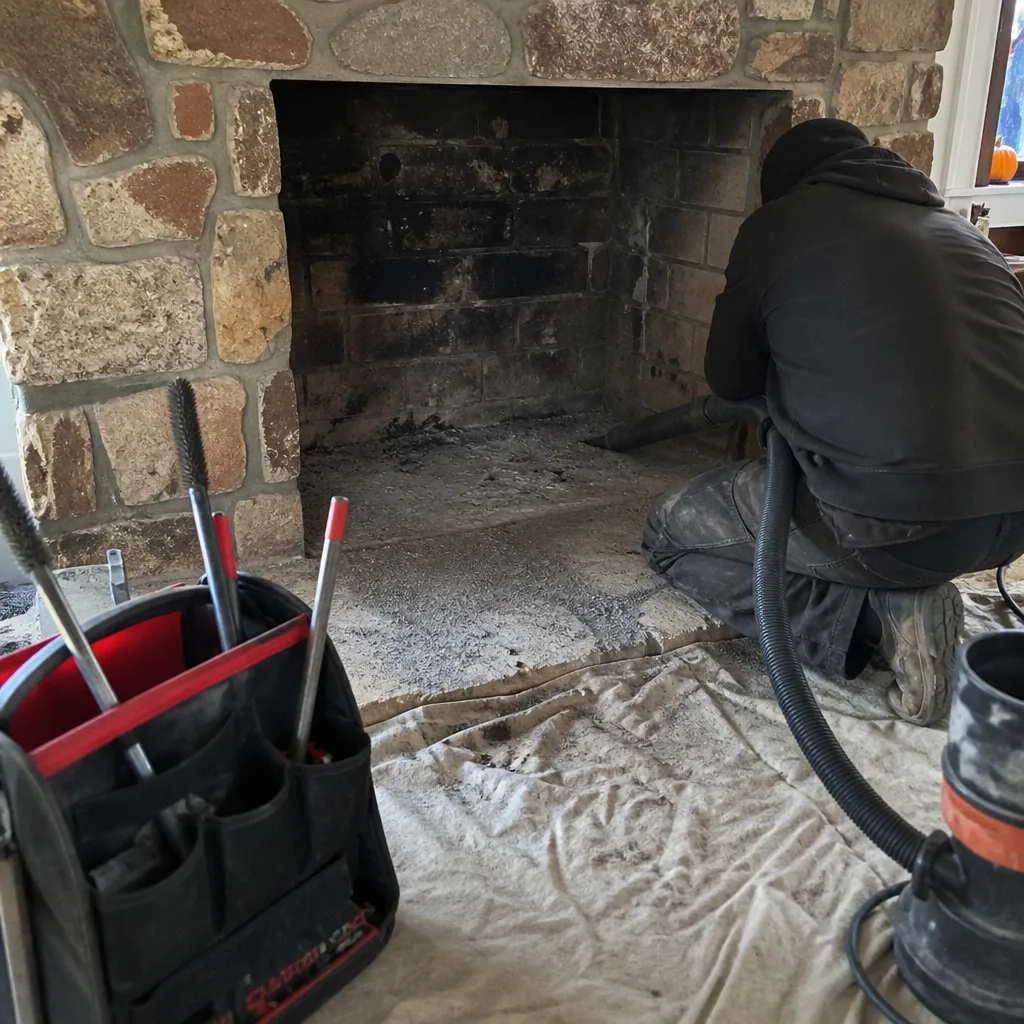 Before
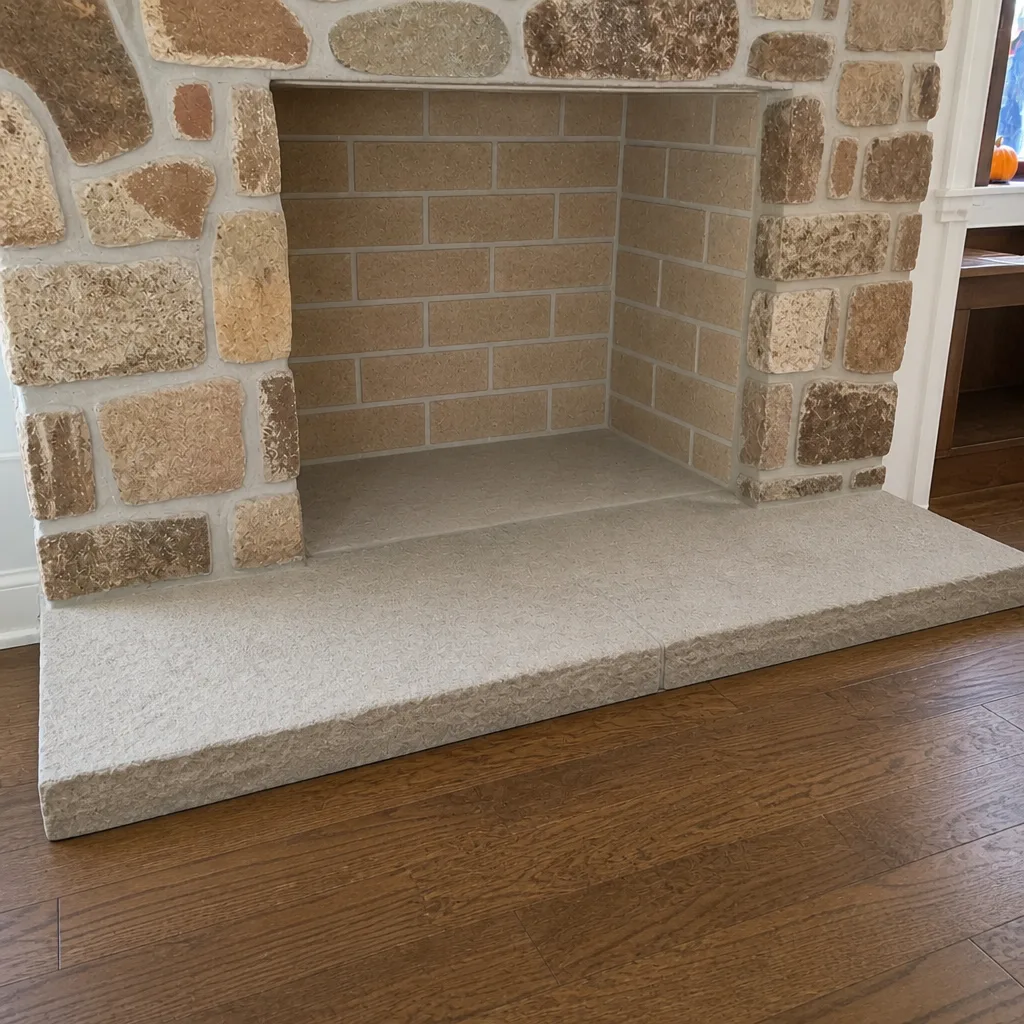 After
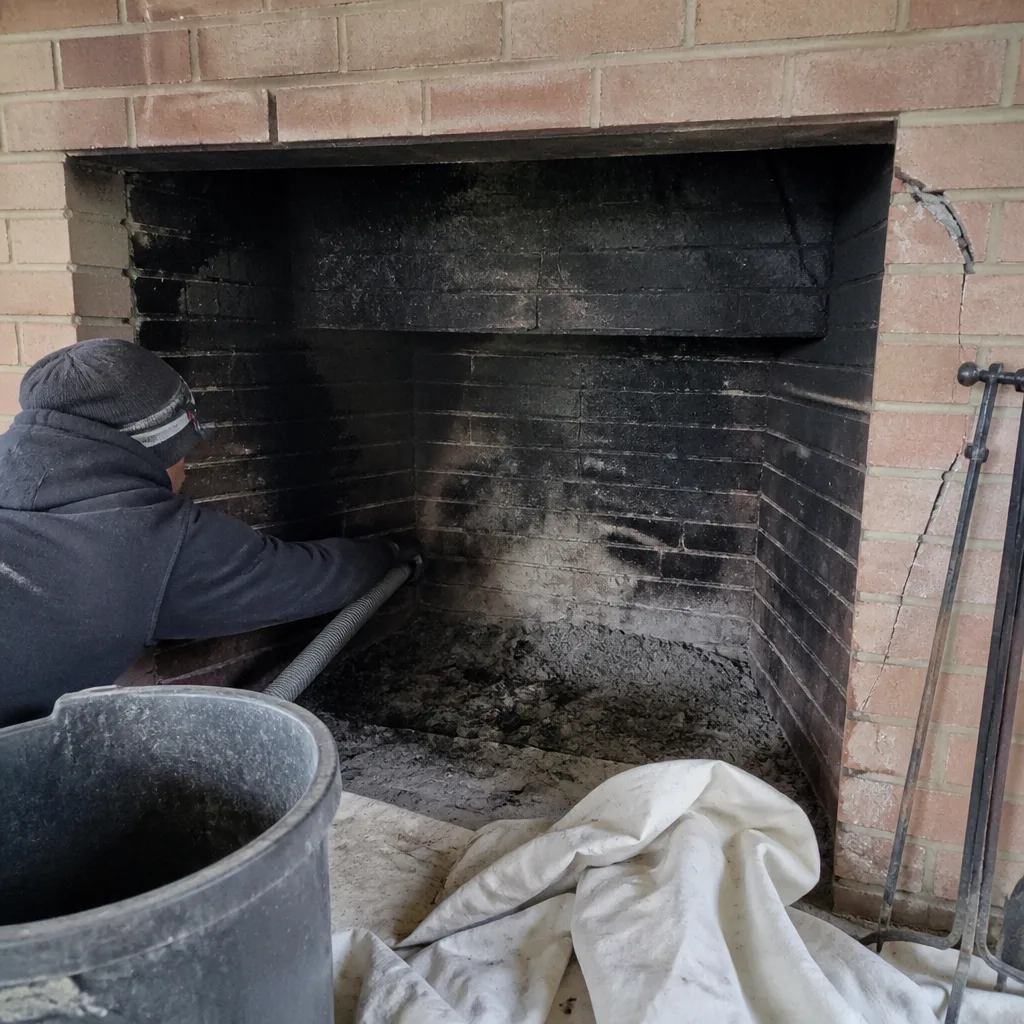 Before
 After
 Before
 After