
Last updated November 24, 2026
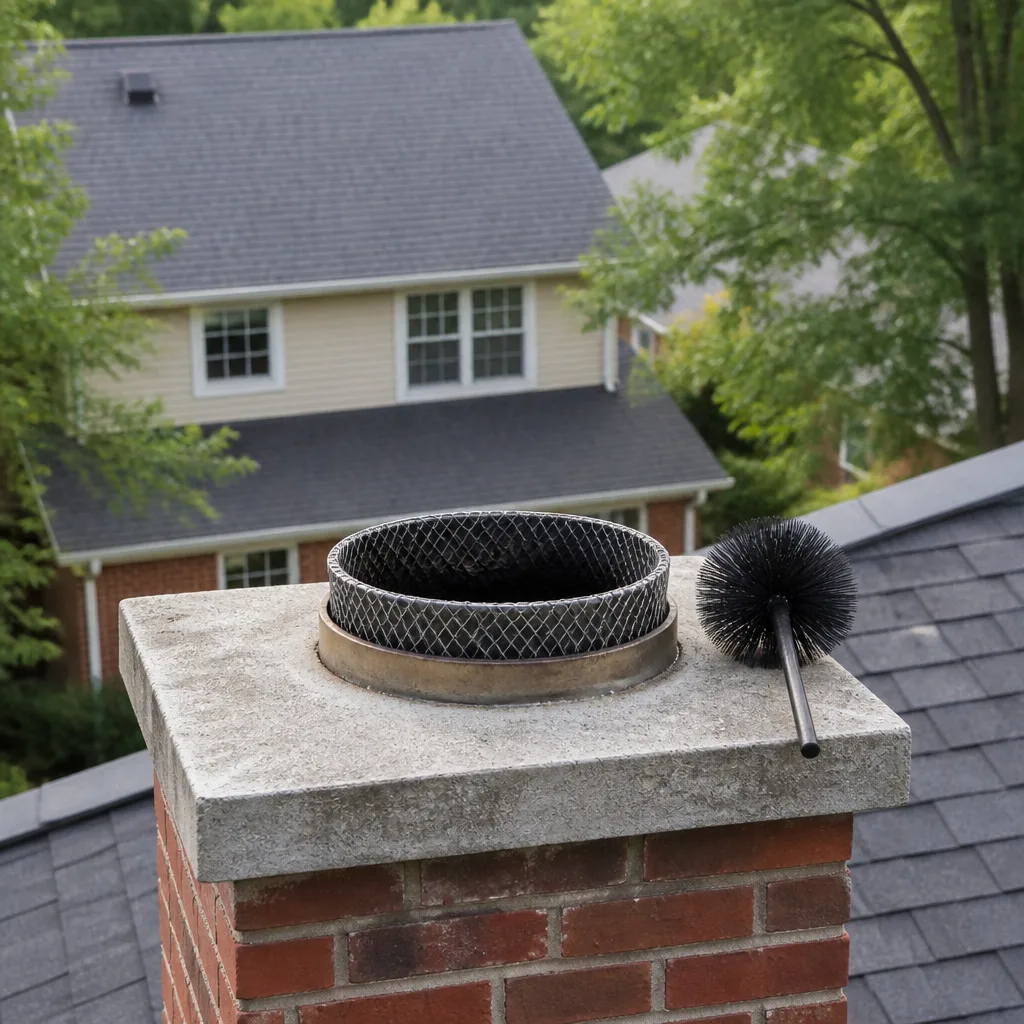 Sweep & inspection
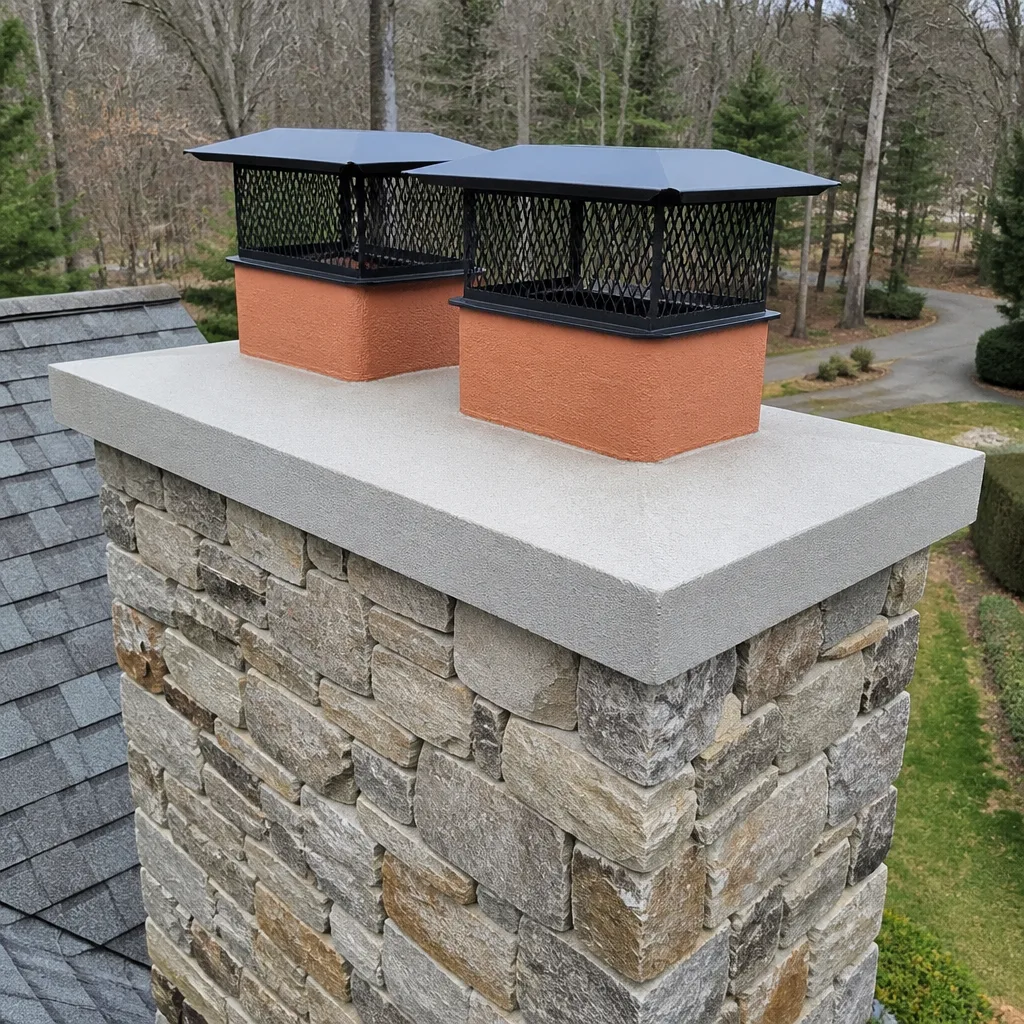 Caps & crowns
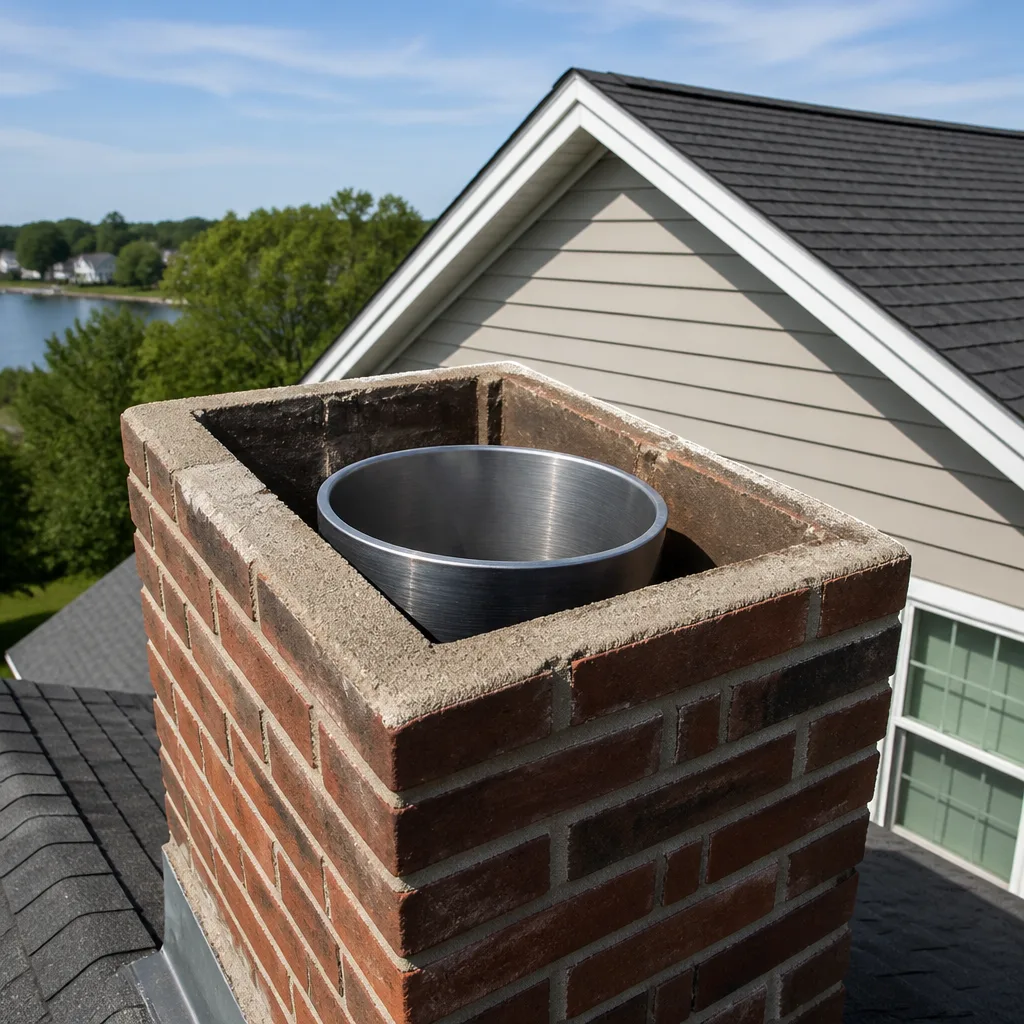 Flue relining
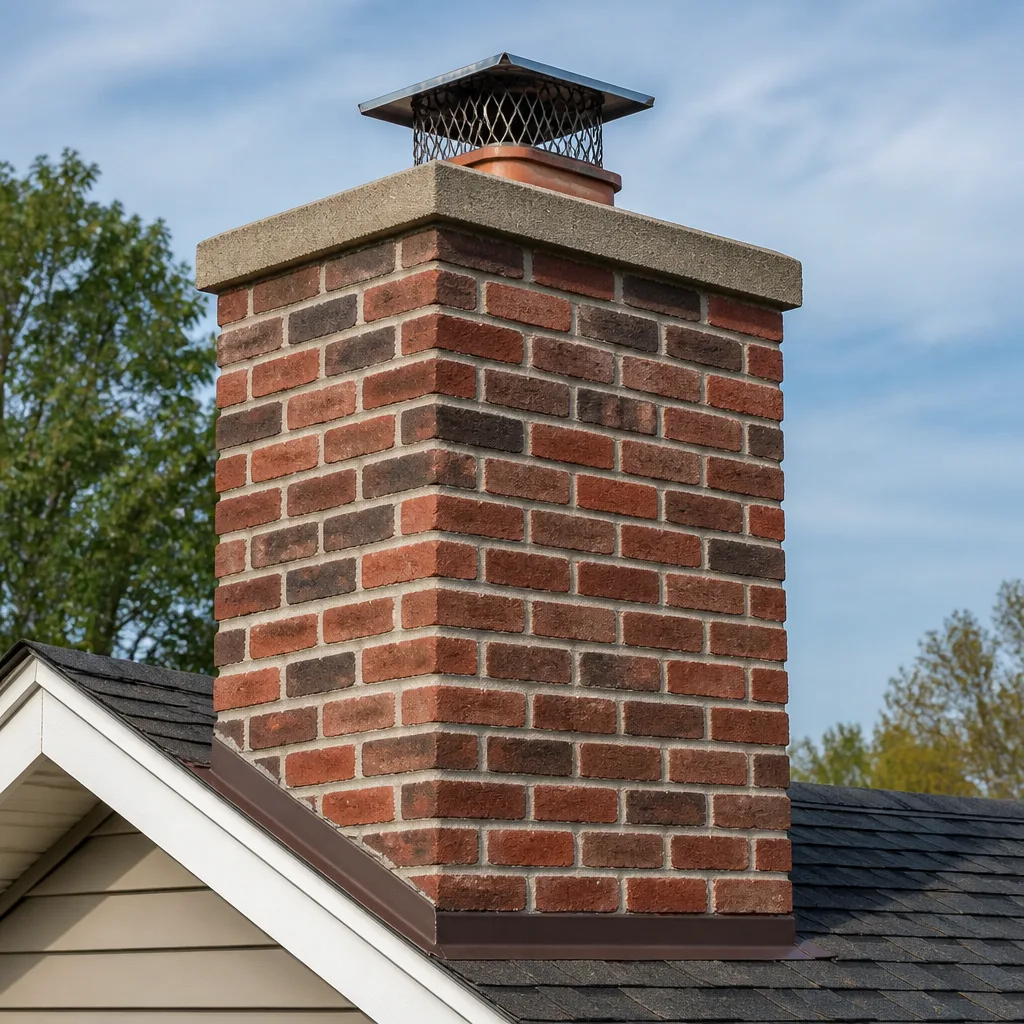 Masonry repair
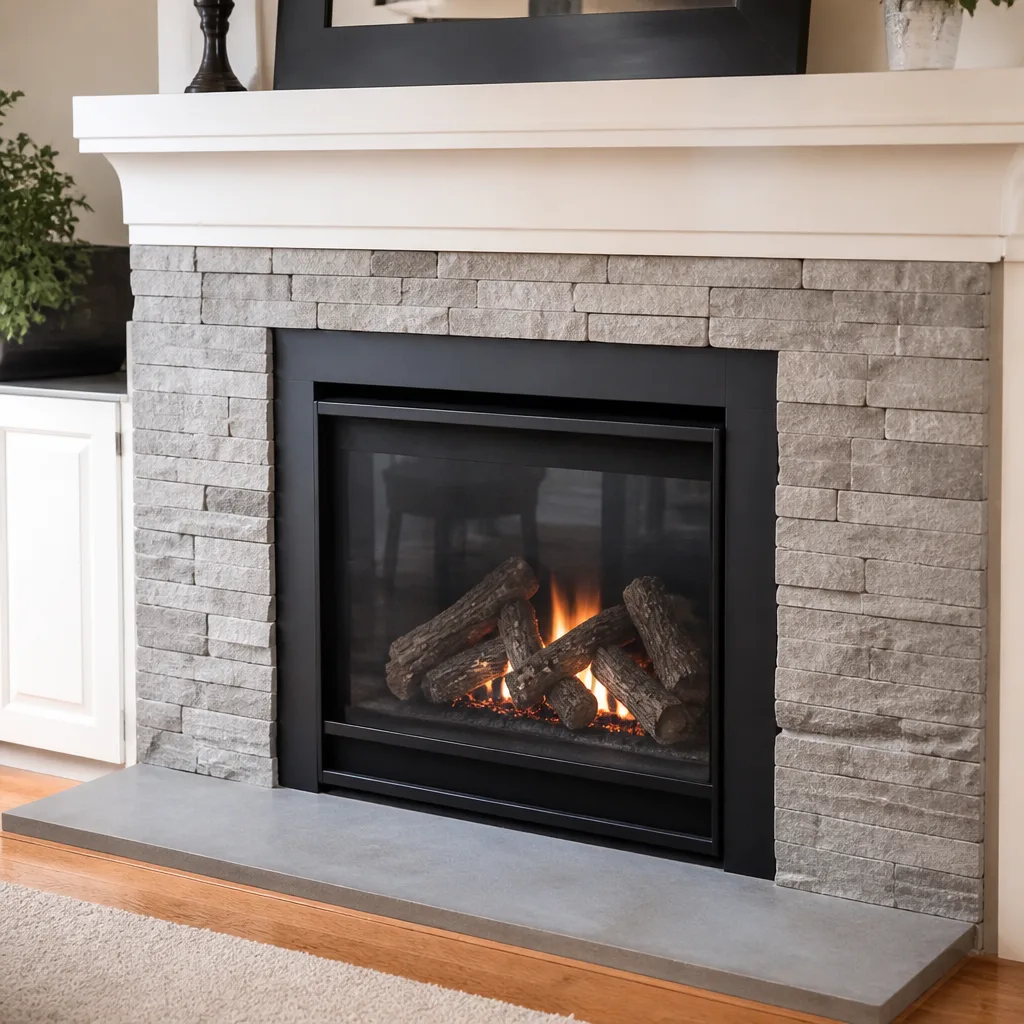 Gas fireplace service
Level 1 sweep and inspection to the NFPA 211 annual standard - flue, crown, cap, and flashing checked and photographed
Chimney sweep logs do not sweep chimneys. They loosen some creosote - which then falls where a brush and vacuum still have to collect it.
Chimney Cleaning Permits, Codes & Inspections in Brighton, CO: What You Need to Know
Most Brighton homeowners assume a chimney cleaning never touches a permit, and for routine maintenance that’s true. But the moment work crosses from cleaning into liner replacement, firebox rebuilding, or a new appliance connection, Colorado code and the local jurisdiction change the rules, and a job done without the right permit can leave your homeowner’s insurance with grounds to deny a chimney-related claim. Few people know they’re carrying that exposure. This guide walks through exactly which chimney services require permits in Brighton, which are classified as routine maintenance, how the International Residential Code applies to your flue, and what paperwork you should hold when the work is finished.
Quick Answer
Routine chimney sweeping in Brighton, CO does not require a permit. Anything that alters the chimney system itself – installing or replacing a flue liner, rebuilding a firebox, changing the flue’s shape or height, or connecting a new solid-fuel appliance – generally does require a permit from the local building authority, and the work must meet International Residential Code Chapter 10 and NFPA 211 standards. Always confirm with the City of Brighton building department before work begins, and ask your contractor for the permit number and the final inspection record when the job is done.
Styles & brands we work with
- Sweep & inspection
- Caps & crowns
- Flue relining
- Masonry repair
- Gas fireplace service
Table of Contents
- Maintenance vs. permitted repair: where the line falls
- How IRC Chapter 10 applies to your Brighton chimney
- The inspection trigger points that require permitted repair
- How to verify your contractor is pulling permits
- What NFPA 211 compliance means in practice
- Why an unpermitted repair can affect your insurance
- Brighton’s climate, housing stock, and chimney wear
- A step-by-step permit and inspection process
Maintenance vs. Permitted Repair: Where the Line Falls in Brighton
The simplest way to think about it: cleaning removes soot and creosote, and repair changes the structure. Cleaning is maintenance, and Brighton doesn’t require a permit to sweep a flue. The moment a contractor cuts into the chimney, replaces a component, or changes how the system vents, you’ve moved into permitted work.
Here’s how the split usually breaks down in Adams County:
- No permit typically needed: sweeping, a Level 1 visual inspection, cap or spark-arrestor replacement where no masonry is altered, minor firebox mortar touch-up that doesn’t change dimensions, and routine crown sealing.
- Permit typically required: full flue liner installation or replacement, firebox rebuilding or relining, changing the flue’s cross-section or height, installing a new wood stove or insert, masonry chimney reconstruction, and any work on the chimney’s structural footing or foundation.
- Ask before you assume: HeatShield ceramic resurfacing sits in a gray zone. It restores a liner without full replacement, and whether it needs a permit can depend on the scope. Have the contractor confirm with the City of Brighton building department before work starts.
It’s worth being precise about where the permit comes from. Brighton sits mostly in Adams County with portions extending into Weld County, and the city runs its own building department for permitting. A contractor who tells you “the county handles it” or “no permit’s needed for a liner” is either misinformed or cutting a corner. Either way, the risk lands on you as the property owner, not on them.
We diagnose before we quote. That means the sweep comes first, the inspection second, and only then does the conversation about repair begin – and that conversation always includes a clear answer on permits.
How IRC Chapter 10 Applies to Your Brighton Chimney System
The International Residential Code, Chapter 10, is the model code most Colorado jurisdictions build their chimney and venting rules on. Brighton’s inspectors work from that framework. You don’t need to memorize it, but knowing the broad shape of it helps you spot when a contractor is improvising.
Chapter 10 covers a lot of ground. In plain terms, it addresses:
- Chimney construction and the materials allowed for masonry and factory-built systems.
- Clearances to combustibles – the required gap between the flue and any wood framing or insulation.
- Flue sizing relative to the appliance, so the vent matches what you’re burning.
- Chimney height and termination, including how far the flue must extend above the roofline and nearby structures for proper draft.
- Liner requirements, which is where most older Brighton homes run into trouble.
- Hearth extension dimensions and protection around the firebox opening.
Two of these come up constantly in older Brighton houses. The first is liner integrity – a clay tile flue that has cracked with age no longer meets the intent of the code, and a permitted reline is how you bring it back into compliance. The second is clearance. Homes built decades ago sometimes have framing closer to the chimney than the code now allows, and a permitted repair is where that gets corrected.
Brighton enforces Chapter 10 through its building department inspection process. When a permit is pulled for a liner replacement or firebox rebuild, an inspector reviews the work at defined stages – often a rough-in inspection before the flue is closed up, and a final inspection once it’s complete. That inspection record is your proof the system was brought up to standard. It’s also the piece of paper your insurer may ask for.
One caution belongs here. Electrical and gas connections are not DIY territory, and neither is any work inside a chimney flue. The clearance and combustion-air rules are unforgiving, and a mistake can create a carbon monoxide path into the home. If a permitted repair involves gas or electrical work, a licensed professional in that trade should handle that portion.
The Inspection Trigger Points That Require Permitted Repair
A cleaning is often the moment damage first becomes visible. The sweep runs a camera or rod down the flue, and what comes back on the screen decides whether the next step is a conversation or a permit. In our experience, these are the trigger points that push a job from maintenance into permitted repair.
- A cracked or spalled flue liner. Visible cracks, missing tile joints, or deteriorated mortar between tiles mean the flue no longer safely contains combustion gases. A liner replacement or a HeatShield ceramic resurfacing is the repair path, and a full reline typically requires a permit.
- Heavy glazed creosote. Hard, tar-like glazed creosote that can’t be brushed away signals the flue has been running cold. Sometimes a chemical sweep resolves it; sometimes the flue needs repair after, and that repair may require a permit.
- Chimney fire damage. Even a small chimney fire can crack tiles, warp a metal liner, or damage mortar joints. Any evidence of a fire in the flue warrants a Level 2 inspection, and the resulting repair needs to be permitted if it alters the system.
- Firebox cracks or deteriorated mortar. A firebox rebuild changes the structure and almost always requires a permit.
- A new appliance. Installing a wood stove or insert, or switching fuels, changes the venting requirements and requires permits for the appliance and the chimney work.
The point of an inspection isn’t to sell you work. It’s to give you something you can see for yourself. A camera inspection and photo report show you the inside of your flue, and we don’t recommend a repair you can’t verify on screen. When a repair can safely wait, we say so.
How to Verify Your Contractor Is Pulling Permits on Your Behalf
You can check whether a permit has been pulled, and you should. Brighton homeowners have every right to see the paperwork before and after the job. Here’s how to do it cleanly.
- Ask the question before you book. “Will you pull the permit for this repair, and is the permit fee included in the written estimate?” A straightforward contractor answers without hesitation.
- Get the permit number in writing. Every permit has a number. Ask for it in writing once the permit is issued and before work begins.
- Confirm with the City of Brighton building department. You can call the building department and give them the permit number or your address to confirm the permit is active and matches the scope of work.
- Ask which inspections are scheduled. Most permitted chimney repairs include a rough-in and final inspection. Knowing the sequence lets you track the job.
- Collect the final inspection record at completion. You should receive the signed-off inspection record, the permit number, and documentation of the materials used – for example, a DuraFlex liner spec sheet or a HeatShield certification if the liner was resurfaced.
- Keep everything with your home records. Your insurer or a future buyer may ask for it. It’s the clearest proof the system was brought up to code.
If a contractor won’t put the permit number in writing, that’s your answer. Walk.
What NFPA 211 Compliance Means in Practice for Brighton Homeowners
NFPA 211 is the national standard for chimneys, fireplaces, vents, and solid-fuel appliances. It’s what inspectors and technicians reference when they talk about how a chimney should behave. In plain terms, NFPA 211 sets the inspection levels, the clearance and construction standards, and the requirements for keeping a flue safe to use.
You’ll hear about three inspection levels in this trade:
- Level 1: A visual check of the readily accessible parts of the chimney, plus the firebox and the appliance. Done at every routine cleaning, and sufficient when nothing has changed.
- Level 2: Adds a camera inspection, the attic and crawlspace checks, and inspection of accessible areas around the chimney. Required whenever a system changes – a new appliance, a liner replacement, or after a chimney fire – and also standard for a real-estate transaction.
- Level 3: The most thorough. Used when a Level 1 or 2 inspection finds a problem that can’t be verified without opening concealed parts of the chimney or roof.
In practice, NFPA 211 compliance means your flue is sized properly for what you’re burning, your clearances to combustibles are respected, your liner is intact, and your cap and crown keep water and animals out. Those last two matter in Brighton. A missing or damaged cap lets rain and snowmelt into the flue, and a cracked crown lets water into the masonry above the roofline. Both problems accelerate damage to the liner you just paid to repair. That’s why cap and crown work closes the loop on every other repair – it protects the investment instead of leaving it exposed.
If you want a plain-language baseline, this is it: a Level 1 inspection at your annual cleaning, a Level 2 whenever anything changes, and a repair that gets permitted when the change is structural. Our Chimney Sweep Brighton service follows that sequence, and our chimney sweep includes the camera inspection and photo report so you can see the flue yourself.
Why an Unpermitted Repair Can Affect Your Insurance
Here’s the scenario that puts homeowners at real risk. A contractor replaces a flue liner, does the work without a permit, and the job isn’t inspected. The house later has a chimney-related fire. The insurer investigates and finds no permit was pulled, no inspection was recorded, and possibly the work doesn’t meet the code in force at the time. That combination can give an insurer grounds to deny the claim or reduce what it pays.
We’re describing how an unpermitted repair weakens your position – not predicting your particular policy’s response. The safest path is the documented one. A permit number, a rough-in inspection, and a signed final inspection record turn an unpermitted repair into a verified upgrade. That documentation is exactly what insurers want to see when a claim is investigated.
Two practical notes:
- Keep your inspection records next to your policy documents. A binder with the permit number, the final inspection record, and the materials documentation makes a claim conversation go much more smoothly.
- Ask your insurer what they require for a wood-burning appliance or a liner replacement. Some insurers ask for proof of permit and inspection; some don’t ask until a claim comes in. Better to know now than at the worst moment.
An unpermitted repair isn’t only an insurance issue. It can also come up when you sell your home, since a buyer’s inspector will ask about permitted work. The clean answer to that question is a permit record.
Brighton’s Climate, Housing Stock, and Chimney Wear
Brighton’s Front Range weather works a chimney hard. Cold winters mean long burn seasons and real creosote buildup. Swings between freezing nights and warmer days push moisture into masonry, then freeze and crack it. The dry air most of the year pulls moisture out of wood framing more aggressively than you might expect, which can leave framing slightly looser as the seasons pass – and that shifting occasionally affects the chimney’s clearances over long periods.
The housing stock in Brighton spans a wide range. Older homes in parts of town have clay tile flues that have cracked with age; some were built before the current code clearances were common. Newer construction often uses factory-built chimneys that need their own compliance work if anyone changes the appliance. Both types run into the same permit question when a liner or firebox needs attention.
Two structural realities are common in this part of Adams County:
- High water table in some areas. Rising groundwater can wick up through brick and block, which contributes to crumbling mortar and a damp chimney base. That shows up as a repair item on an inspection and often as a permitted masonry fix.
- Offset flues. Some older Brighton chimneys have flues that jog around a structural beam. Those need a flexible liner like DuraFlex to reline properly, and a rigid-liner installer may not be able to complete the job. That’s a permit and a liner question at the same time.
Every repair we do – sweeping, fireplace repair, and structural work on the flue and crown – uses professional-grade materials. We work with DuraFlex, HeatShield, Gelco, and Olympia Chimney, the same kinds of materials specified by chimney engineers. HeatShield ceramic resurfacing lets us restore a liner where a full reline isn’t needed, which keeps the repair path structurally sound and more affordable than the alternative. Our technicians have up to 13 years of experience with these systems.
A Step-by-Step Permit and Inspection Process for a Brighton Chimney Repair
Here’s how a permitted chimney repair typically moves from start to finish. Every job is a little different, but this sequence is the shape of it.
- Booking and initial sweep. You book the sweep. The technician cleans the flue and notes any damage.
- Level 2 inspection if the sweep reveals anything. A camera inspection runs the length of the flue, and you get a photo report so you can see what the technician sees.
- Scope and estimate. You get a written estimate with the scope of the repair, the materials to be used, and the estimated cost. The written estimate sets the final price.
- Permit application. For a permitted repair, the contractor applies to the City of Brighton building department. You receive the permit number.
- Repair work. The repair is completed. If gas or electrical work is involved, a licensed professional in that trade handles it.
- Rough-in inspection. Where the scope requires it, an inspector reviews the work before the flue is closed up.
- Final inspection. The inspector signs off once the job is complete. You receive the signed inspection record.
- Documentation delivered. You receive the permit number, the final inspection record, and the materials documentation. Keep them with your home records.
If your system only needs cleaning and a level 1 inspection, you skip steps 3 through 7. That’s the maintenance path, and it costs what a sweep costs. Prices are per job by estimate; nothing extra is charged for a permit you don’t need.
Common Mistakes to Avoid
- Assuming “no permit” means “no problem.” A contractor who skips a required permit leaves you without the inspection record that proves the work was done to code. Insurers and future buyers both ask.
- Not asking for the permit number in writing. “We’ll handle it” isn’t documentation. You want the permit number before the work begins.
- Confusing HeatShield resurfacing with a full replacement. Resurfacing restores a liner where replacement isn’t needed. Whether resurfacing requires a permit depends on scope, so have the contractor confirm with the building department.
- Skipping the level 2 inspection after a chimney fire. Even a small fire can crack tiles or warp a liner. A Level 2 inspection is the standard, and the repair after may be permitted.
- Treating cap and crown repairs as cosmetic. A cracked crown lets water into the masonry and a missing cap lets weather into the flue. Either one can undo a liner repair within a season.
- Trusting a contractor who won’t put the permit in writing. It’s a tell. If they won’t document the permit, they likely won’t document anything else either.
- Not keeping the inspection record with your home records. The permit number and the signed final inspection are the two documents that matter most when a claim comes up. Keep them where you keep the deed and the policy.
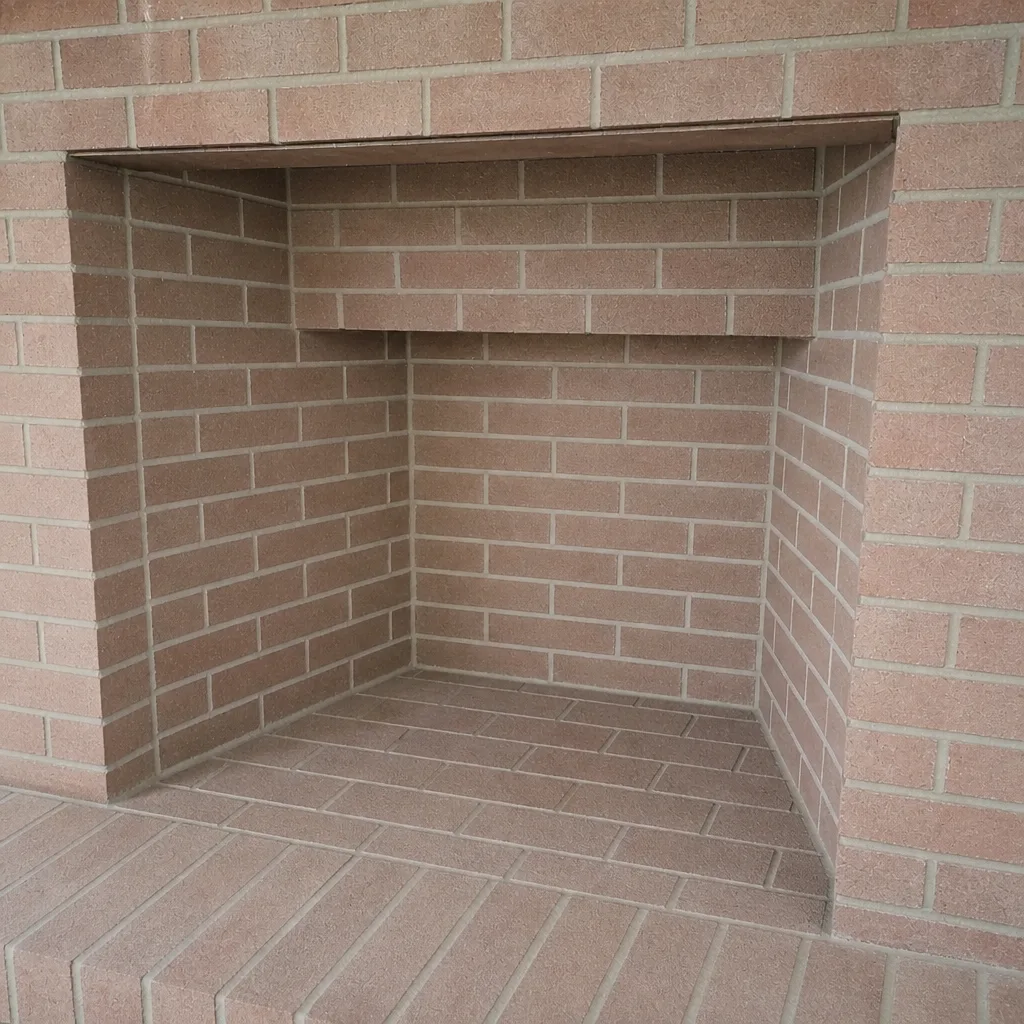
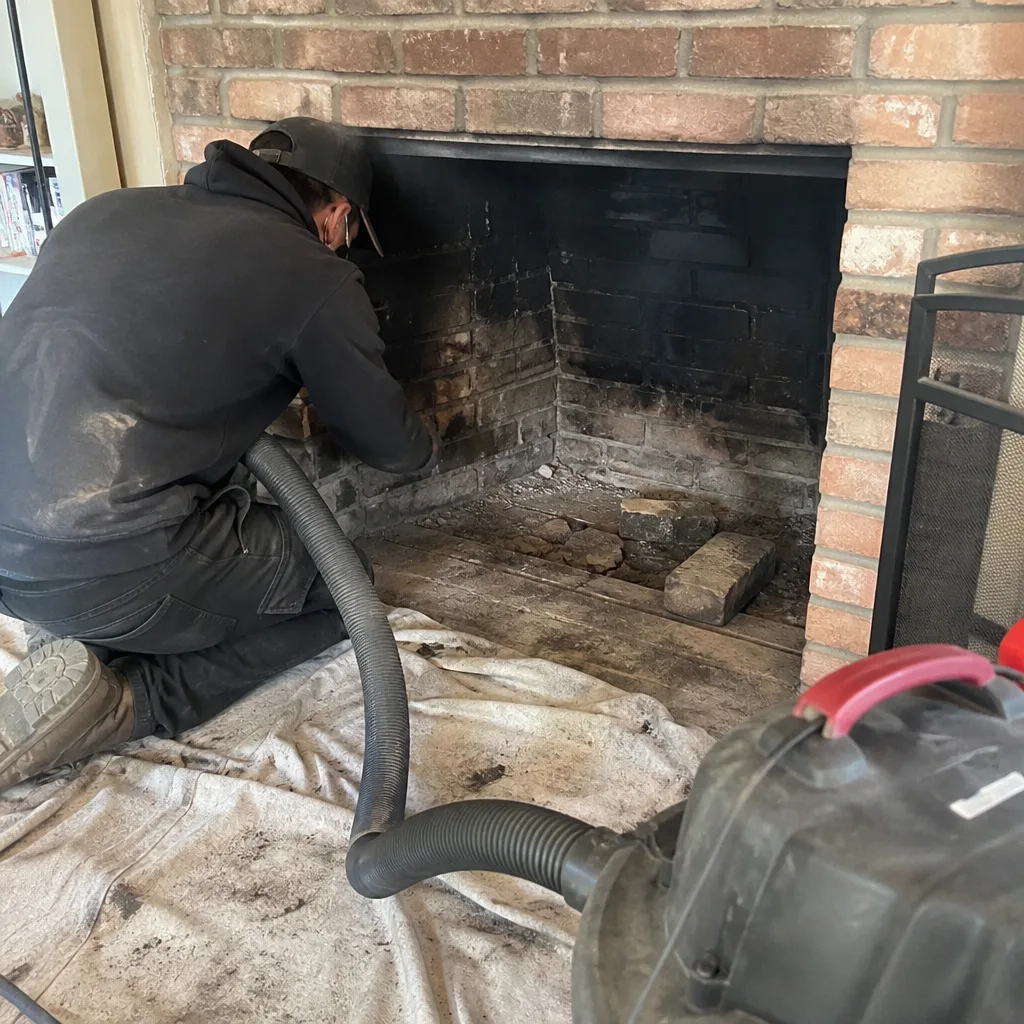
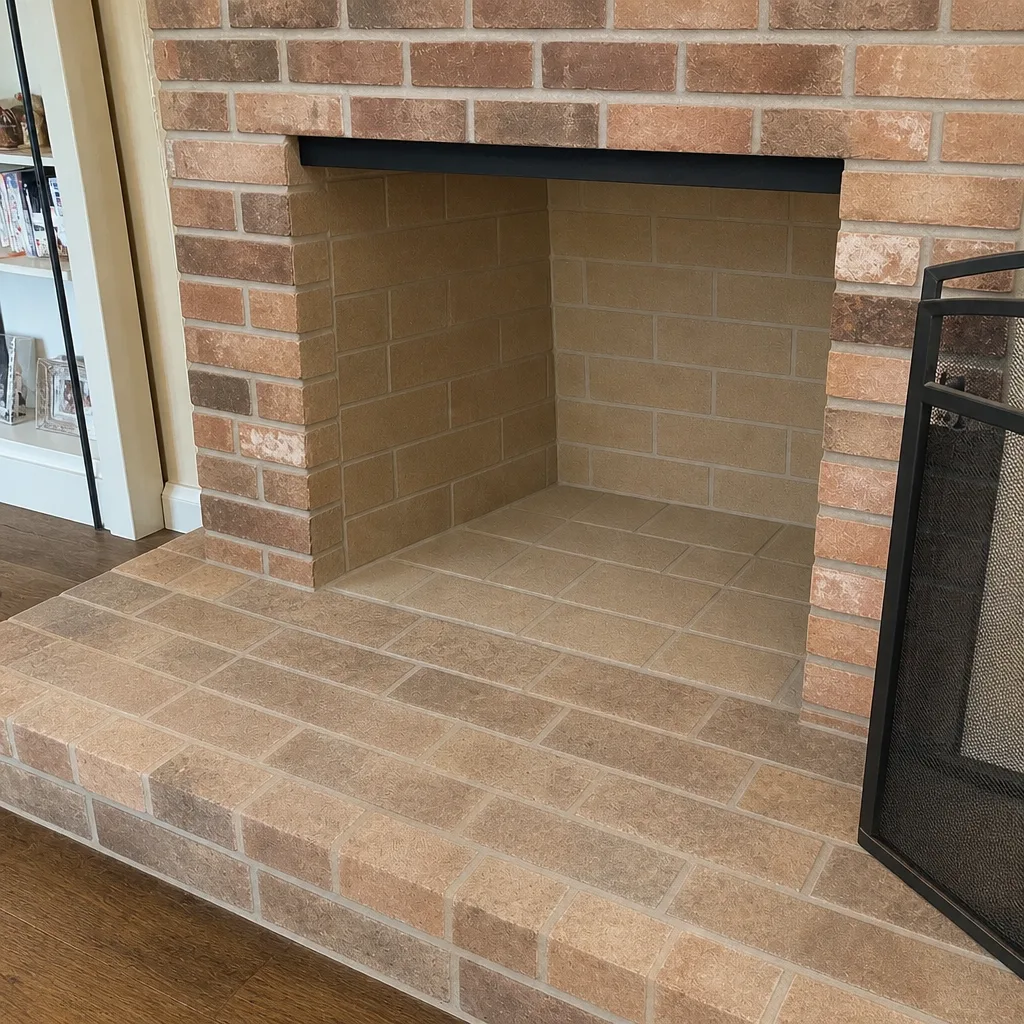
See the difference
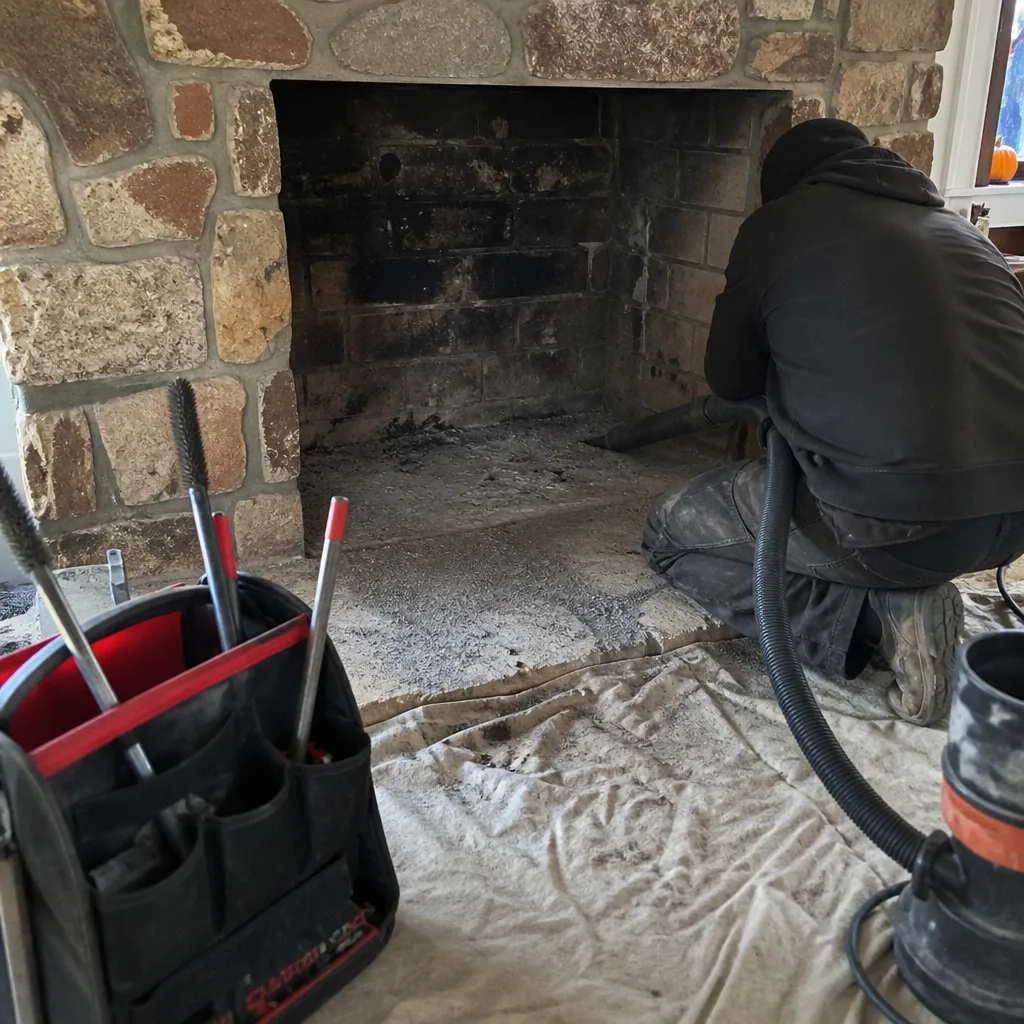 Before
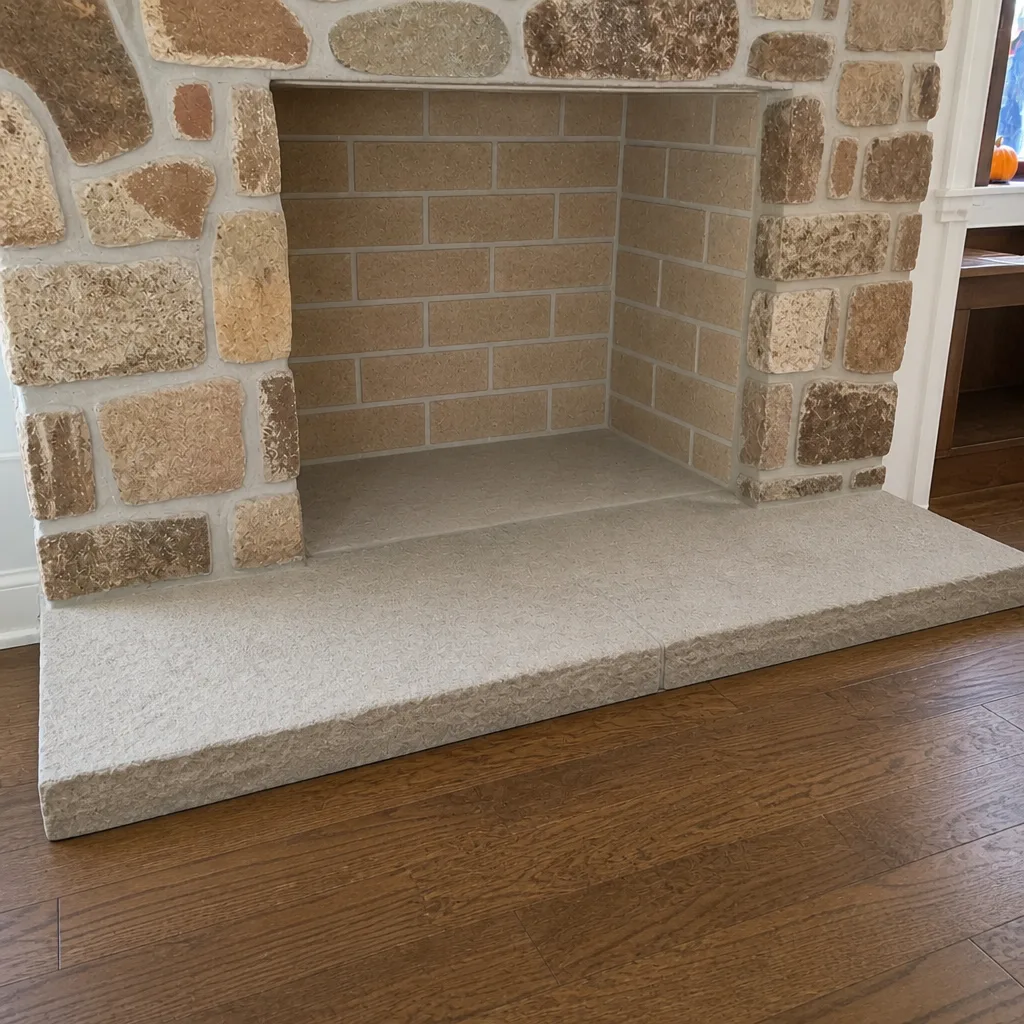 After
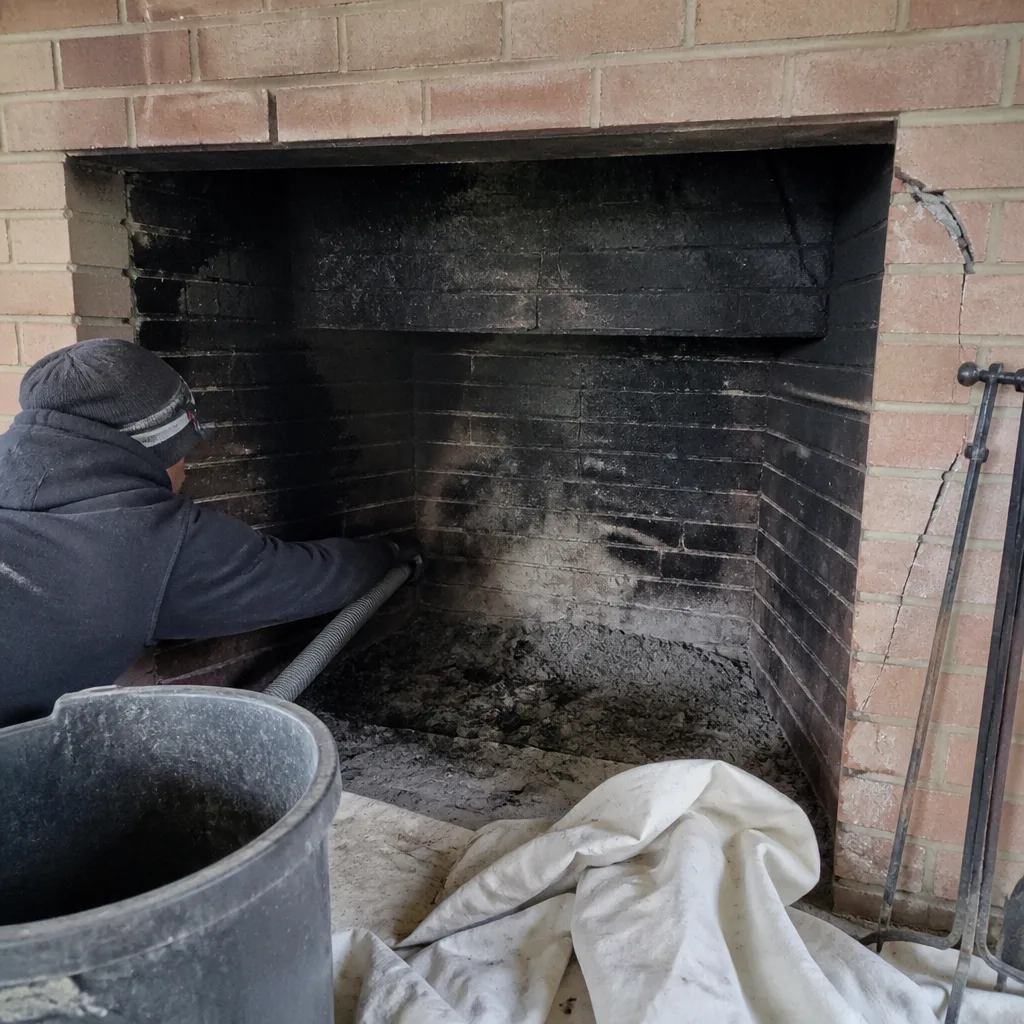 Before
 After
 Before
 After
When to Call a Professional
Call a professional when your inspection turns up cracked liner tiles, glazed creosote the sweep can’t safely remove, firebox cracks, chimney fire damage, or an appliance change that affects venting. All of these enter the permitted-repair path, and none of them belong in DIY territory. Call a professional if you smell smoke in the house when the fireplace is running, if the flue is of uncertain age, or if you’ve never had the system inspected. Call a professional if a contractor tells you a liner needs replacing without showing you the camera evidence. Chimney Sweep Brighton offers free estimates in Brighton – call (877) 559-4656. We answer 24/7. Fast dispatch from 7am to 7pm, Sunday through Friday, and we’re closed on Saturday.
Frequently Asked Questions
No. Routine chimney sweeping is classified as maintenance and does not require a permit in Brighton. You only need a permit when work alters the chimney system – a liner replacement, firebox rebuild, masonry reconstruction, or a new appliance connection. Call (877) 559-4656 for an exact quote on a sweep – estimates are free.
In most cases, yes. A full liner replacement changes the system and generally requires a permit from the City of Brighton building department. Whether HeatShield ceramic resurfacing needs a permit can depend on the scope, so have the contractor confirm with the building department before work starts. Call (877) 559-4656 to book an inspection – estimates are free.
A Level 1 is a visual check of the accessible parts and is done at every routine cleaning. A Level 2 adds a camera inspection and is required whenever the system changes – a new appliance, a liner replacement, a real-estate transaction, or after any chimney fire. Our chimney repair work always starts from a Level 2 inspection when a repair is being considered. Call (877) 559-4656 for an exact quote – estimates are free.
The repair may be done without an inspection record, which can give an insurer grounds to deny or reduce a chimney-related claim if a fire later puts the work under scrutiny. A permit number and a signed final inspection record are your proof the system was brought up to code. Call (877) 559-4656 to plan a permitted repair – estimates are free.
A solid-fuel chimney should be swept and inspected once a year, and more often if you burn heavily through the long Brighton winters. NFPA 211 recommends a Level 1 inspection at every cleaning and a Level 2 whenever anything changes. Call (877) 559-4656 to book your sweep – estimates are free.
It depends on the liner’s condition. A structurally intact flue with surface cracks can often be restored with HeatShield ceramic resurfacing rather than a full reline. A camera inspection shows you the flue, and you get the photo report, so you can see the liner yourself before deciding. We don’t recommend a repair you can’t verify. Call (877) 559-4656 to schedule an inspection – estimates are free.
The Bottom Line
The rule of thumb for Brighton: cleaning is maintenance and needs no permit; altering the system needs one. Liner replacement, firebox rebuilding, masonry reconstruction, and appliance installation all involve permitted work and a City of Brighton building department inspection. Ask for the permit number in writing before the work begins, collect the signed final inspection record at completion, and keep both with your home records. Those documents protect you with your insurer and your future buyer. The safety case is straightforward – a cracked liner can let combustion gases into the house, and carbon monoxide is the danger you can’t see – so a system that fails inspection should be repaired, not put back in service. Call (877) 559-4656 for a free estimate. We answer 24/7. Fast dispatch from 7am to 7pm, Sunday through Friday.
Written by the team at Chimney Sweep Brighton.