
Last updated November 24, 2026
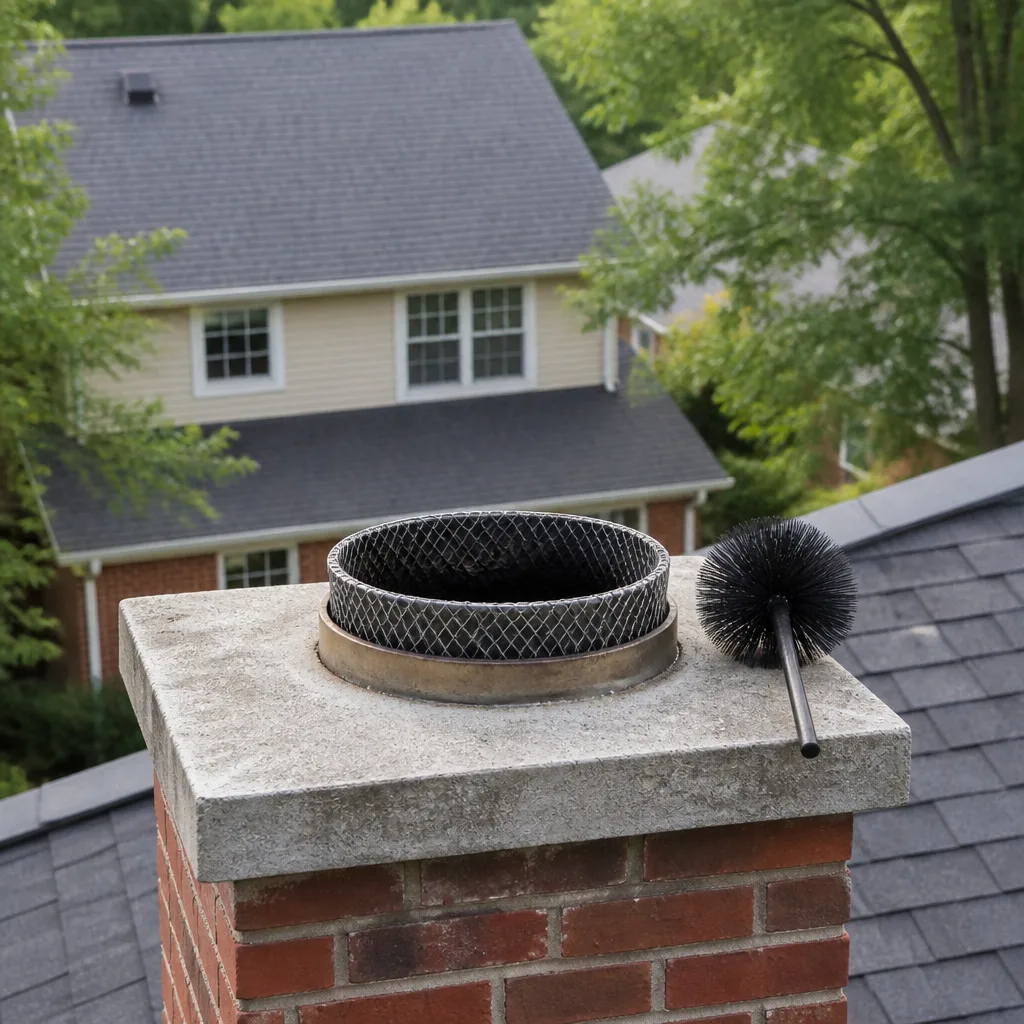 Sweep & inspection
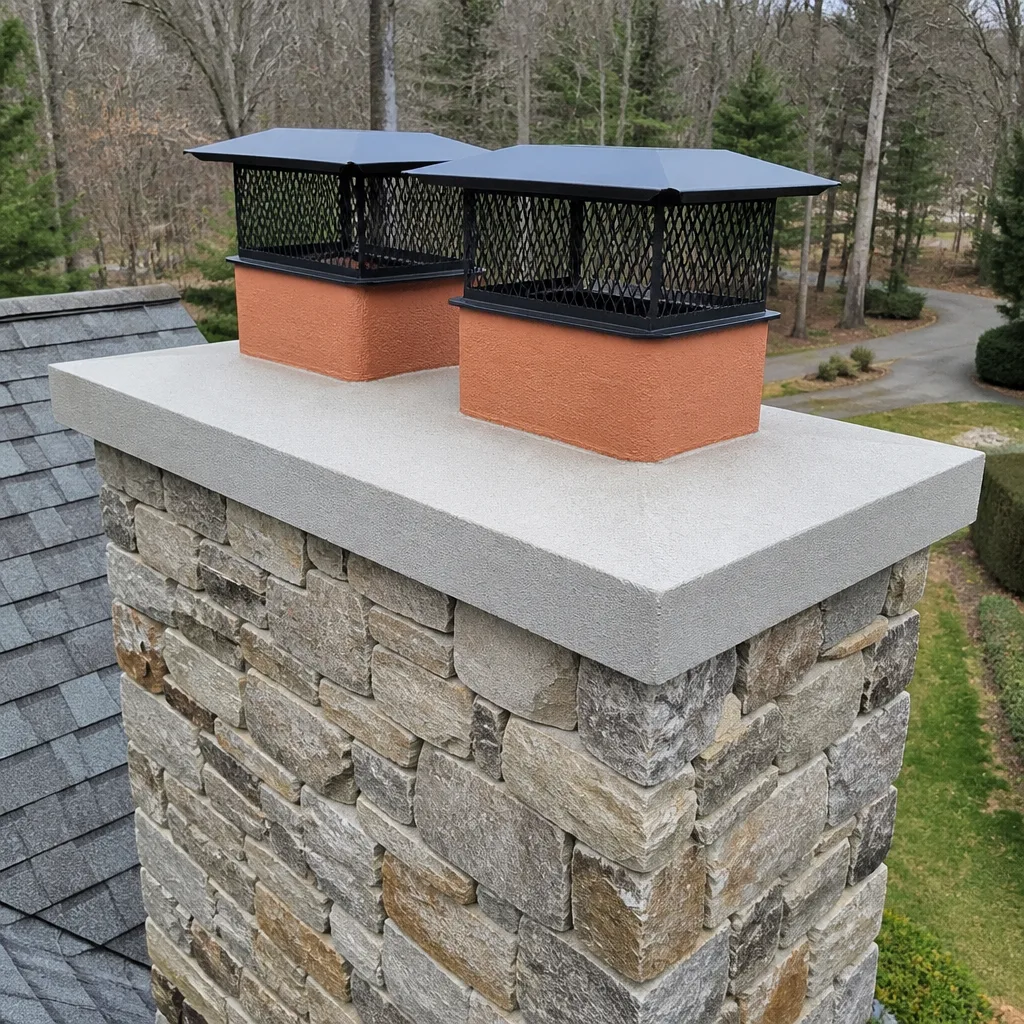 Caps & crowns
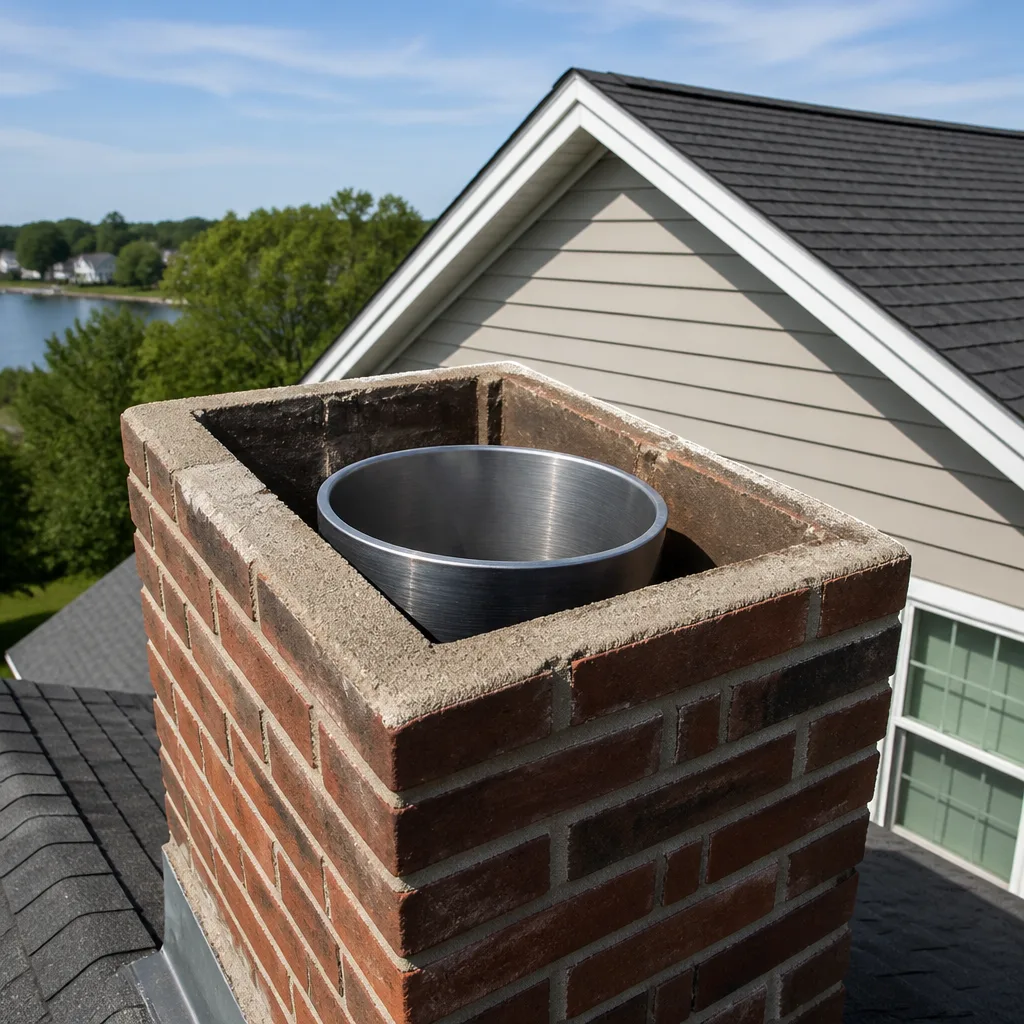 Flue relining
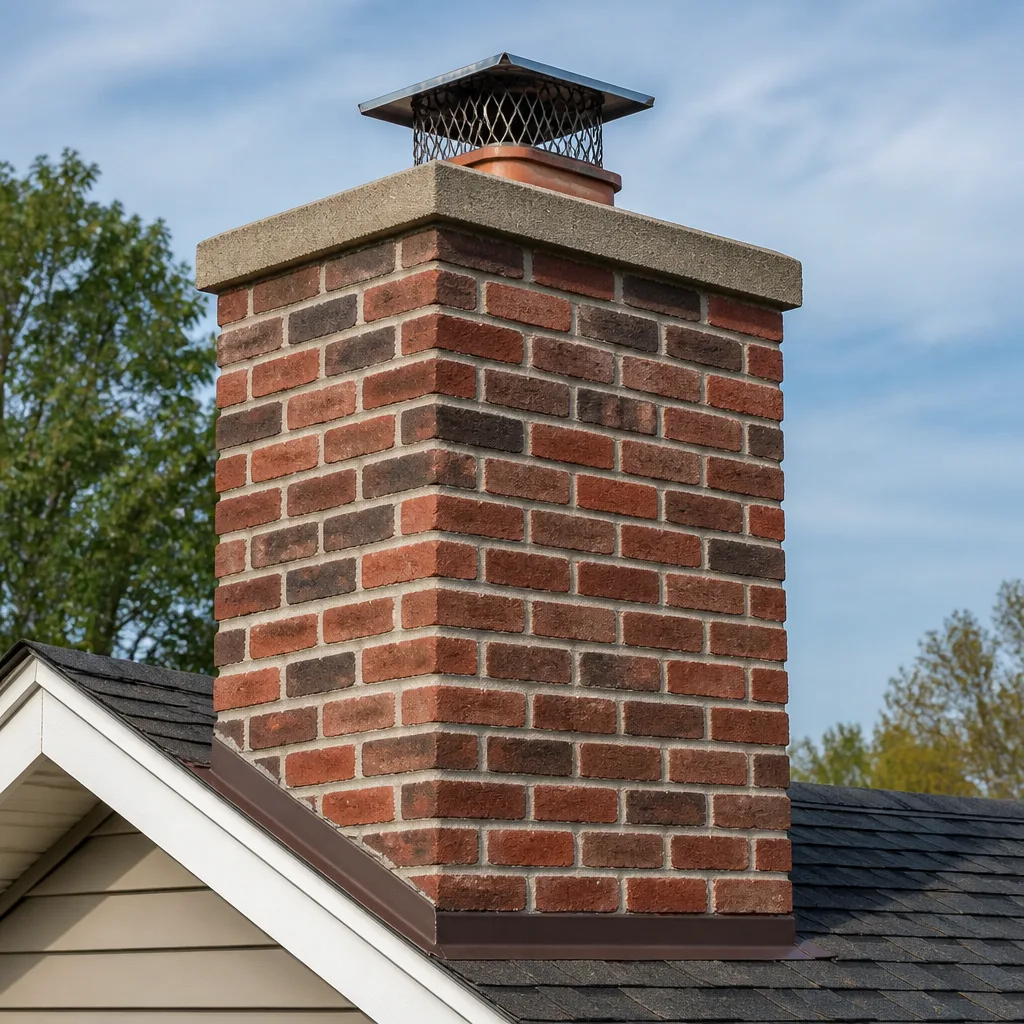 Masonry repair
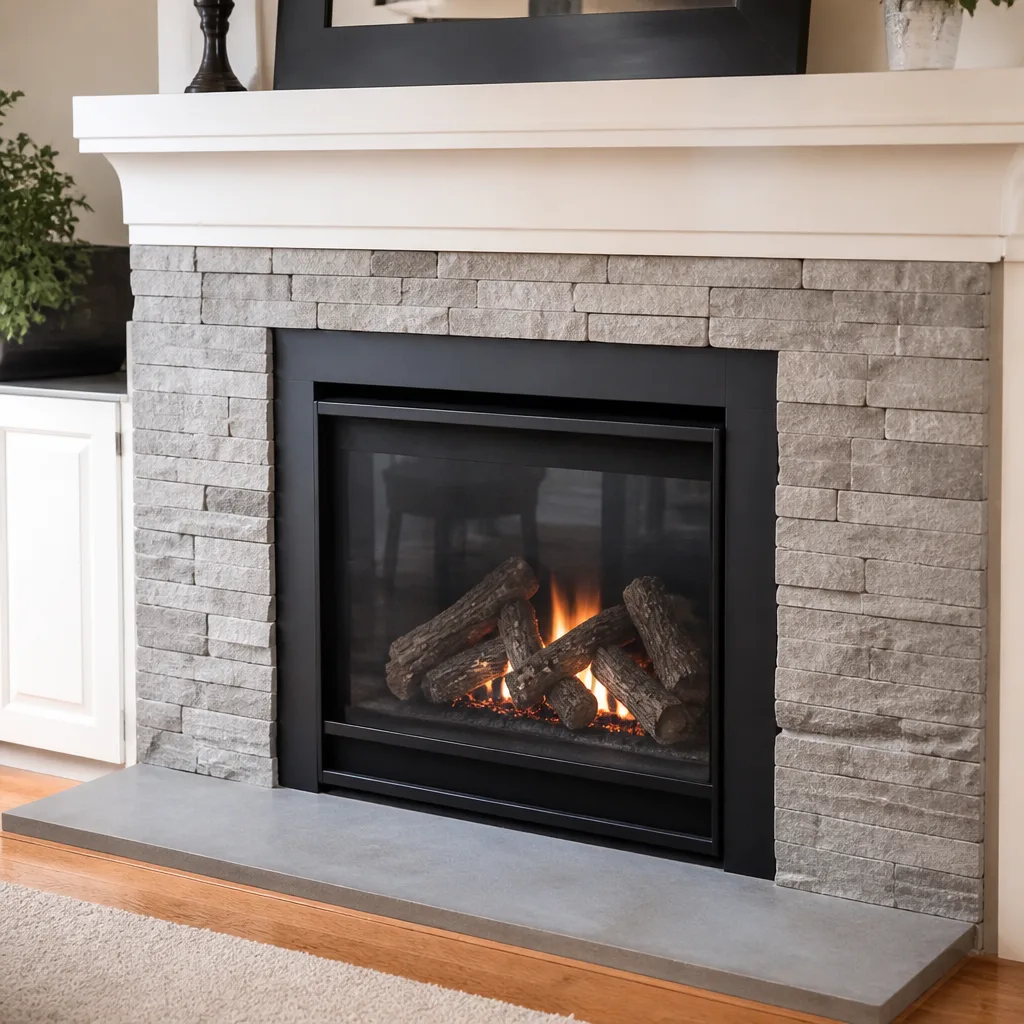 Gas fireplace service
Level 1 sweep and inspection to the NFPA 211 annual standard - flue, crown, cap, and flashing checked and photographed
Chimney sweep logs do not sweep chimneys. They loosen some creosote - which then falls where a brush and vacuum still have to collect it.
Seasonal Chimney Cleaning Care for Brighton: Year-Round Homeowner’s Guide
Scheduling your chimney cleaning in October is the industry standard. In Brighton, it also means you’ve let six months of snowmelt and spring rain work through any crown crack the previous winter opened up. Most seasonal advice treats a chimney like a machine that only wakes up in fall, but a chimney on the Front Range takes its worst beating between January and April, then sits wet and unwatched until the first cold snap. This guide reframes the maintenance calendar around Brighton’s actual weather pattern: freeze-thaw, wind, spring moisture, and the short curing window that masonry needs. You’ll learn what each season asks of your chimney, why a March inspection protects more than an October sweep, and how to read the warning signs before they become structural.
Quick Answer
In Brighton, the most protective chimney maintenance schedule is a post-winter inspection in March or April, a summer pass for cap, crown and masonry work while mortar cures, and a cleaning plus flue check in early fall before the first fire. A single annual sweep in October misses the freeze-thaw damage and spring moisture intrusion that do the most harm here, so treat the chimney as a system you check several times a year rather than a flue you clean once.
Styles & brands we work with
- Sweep & inspection
- Caps & crowns
- Flue relining
- Masonry repair
- Gas fireplace service
Table of Contents
- Why Brighton’s Climate Sets Its Own Chimney Calendar
- Why a Post-Winter Inspection Beats a Fall Sweep
- Spring: When Moisture Intrusion Sets In
- Summer: The Cap, Crown and Masonry Repair Window
- Fall: Flue Cleaning, Damper and Smoke Chamber Checks
- What to Check After a High-Wind Event
- Winter: Reading the Signs Mid-Season
- Common Mistakes to Avoid
Why Brighton’s Climate Sets Its Own Chimney Calendar
Generic chimney guides are written for a mild, evenly wet climate. Brighton isn’t that. The city sits on the Colorado Front Range, where winters swing hard between freezing nights and warm afternoons, and where moisture arrives mostly as quick snow and rain events rather than steady drizzle. That pattern matters because masonry, mortar and metal all fail through cycles, not through constant conditions. A chimney in Brighton can go through repeated freeze-thaw swings in a single winter, each one opening a hairline a little wider.
Here’s how the local pattern affects the parts of your chimney:
- Freeze-thaw cycles: Water gets into a hairline in the crown or mortar joint, freezes overnight, expands, and thaws the next afternoon. Repeat that through a Brighton winter and small cracks become open seams. Crowns and chimney tops take the most of it because they’re fully exposed.
- Spring snowmelt and rain: When the snowpack on the roof melts, water pools around the chimney base and finds every gap. Any crack the winter opened becomes a channel for moisture into the flue and the attic-side masonry.
- Wind: Brighton sits on open ground and catches strong, gusting winds that push against chimney caps, crowns and the upper courses of masonry. Loose caps and lifted flashing are common results after a wind event.
- Dry summer heat: Warm, dry summer days are actually good for masonry work, because mortar and crown mixes need consistent curing temperatures to set properly. That’s why summer is the repair season here.
The practical takeaway is simple. In Brighton, the chimney’s stress cycle peaks in late winter and early spring, not in the fall. If you only look at it in October, you’re inspecting the result of months of unnoticed damage rather than catching it early.
Why a Post-Winter Inspection Beats a Fall Sweep
A fall inspection tells you what shape your chimney is in right before you use it. A post-winter inspection tells you what the winter did to it. In Brighton’s climate, the second one is the more valuable check, because the damage that matters most happens between December and April, and it has months to sit and worsen before anyone notices.
Think about what a winter actually does to a chimney here:
- Repeated frost action on the crown. The crown is the concrete-like cap on top of the chimney. Freezing and thawing works on any crack in it until water is running into the flue.
- Mortar joint erosion. Water in the joints freezes, expands and pushes mortar out. By spring you can have loose masonry and gaps that weren’t there in November.
- Flashing movement. Wind and snow load can pull the metal flashing at the roof line away from the chimney, opening a path for water straight into the attic.
- Cap damage. A loose or damaged cap lets water and animals straight into the flue through the spring and summer.
A March or April inspection catches these while they’re small. A crown crack spotted in spring can often be sealed or resurfaced before the summer storms push water deeper. The same crack found in October has usually had six months of moisture working behind it, and the repair is larger. That’s the real reason we recommend a spring check in Brighton: it’s cheaper to fix a chimney in the season the damage is fresh than at the end of the year when it’s had time to grow.
This is where a full-system eye matters. A sweep-and-go visit tells you the flue is clear. It doesn’t always tell you the crown is failing or the flashing has lifted. A proper chimney inspection should look at the whole assembly from the firebox up to the crown, and we diagnose before we quote so the repair list is based on what’s actually there.
Spring: When Moisture Intrusion Sets In
Spring is the danger window in Brighton. Snowmelt and spring rain arrive at the same time the freeze-thaw cycle has left the most cracks open, so this is when water gets into places it shouldn’t. Most of the serious damage we see in Front Range chimneys started as moisture intrusion in spring and wasn’t found until fall.
What to watch for as the season turns:
- Water stains on the ceiling or chimney breast. A dark ring or stain on the wall near the chimney after a wet spring usually points to flashing or crown failure.
- Damp, musty smell in the firebox. That’s moisture sitting in the flue or smoke chamber, often from a cap or crown problem.
- Crumbling mortar on the exterior. Look at the chimney from the ground. If you can see sandy, loose or missing mortar between bricks, the joints have been taking on water.
- Rust on the damper or firebox hardware. Rust indoors means moisture is getting in from above, not from the room.
Spring is also when you want to get the exterior inspected while the damage is fresh and the roof is accessible. A cap that got knocked loose over the winter, a flashing that lifted in a March wind, or a crown that cracked in February can all be dealt with before the summer repair window opens. If you’re already booking a chimney sweep for the fall, add a spring exterior check to the calendar. It’s the difference between maintaining a chimney and reacting to one.
Summer: The Cap, Crown and Masonry Repair Window
Summer is the repair season in Brighton, and the reason is temperature. Mortar, crown mixes and sealants all need consistent warm, dry conditions to cure properly. A crown poured in November may not set right through freezing nights. A repointing job done in summer has the weeks of stable warmth it needs to harden and hold. If your spring inspection turned up masonry work, this is when it should happen.
The summer checklist for a Brighton chimney:
- Cap inspection. Check that the cap is secure, correctly sized for the flue, and screened against birds and debris. A properly fitted cap is the single cheapest way to keep water and animals out of a flue all year.
- Crown check and repair. Look for cracks, spalling or separation where the crown meets the flue. A crown can often be resurfaced rather than replaced. Getting this done in summer means the crown is solid before the next winter’s freeze-thaw cycle starts working on it.
- Masonry repointing. Rake out and replace loose or eroded mortar joints while the weather allows the mortar to cure. This is the best window of the year for it in Brighton.
- Bird and debris screening. Summer is nesting season. A screened cap keeps birds, squirrels and debris out of the flue before they become a fall blockage.
- Liner assessment. With the fire off for the season, summer is the natural time to assess the flue liner. If the liner needs restoration rather than replacement, ceramic resurfacing can bring a deteriorating clay flue back to a sound, smooth condition without a full reline.
Cap and crown work is the finish work that protects every other repair on the chimney. There’s not much point repointing masonry or repairing a flue if the cap above it is letting water straight back in. In our experience, closing that loop on a Brighton chimney in summer is what reduces how often the same problem comes back the following spring. Cap and crown installation is one of the service categories we handle, using professional-grade fittings from manufacturers like Copperfield and Olympia Chimney, matched to the flue rather than grabbed off a hardware shelf.
Fall: Flue Cleaning, Damper and Smoke Chamber Checks
Fall is the season everyone thinks of for chimney work, and it still matters. The difference in Brighton is that fall should be the finishing pass on a chimney you’ve already looked after through spring and summer, not the first time you’ve thought about it all year. A fall cleaning and flue check is what gets you safely into the heating season.
What a fall visit should cover:
- Flue cleaning before the first fire. Soot and creosote from last season sit in the flue all summer. Clearing them before you light up reduces the risk of a chimney fire from accumulated creosote igniting.
- Damper sealing check. A damper that doesn’t close properly lets heated room air escape up the flue all winter, and lets cold air down when the fire is out. Check the seal and the operation before the season starts.
- Smoke chamber assessment. The smoke chamber is the sloped area above the damper that funnels smoke into the flue. Rough or damaged surfaces there cause poor draft and smoke spill into the room. It’s a part of the system that gets ignored on a basic sweep.
- Creosote level check. Creosote builds in layers, and a glossy, hardened glaze is the dangerous kind. A fall sweep should tell you what stage the buildup has reached.
- Cap and screen recheck. After a windy Brighton summer, confirm the cap is still secure before the heating season.
Get the fall work done early enough that you’re not waiting in a queue once the first cold snap hits and everyone in Brighton suddenly wants a sweep. Booking in late summer or early fall means the chimney is ready when you are. If a fall check finds damage, you’ll know about it before you’re relying on the fireplace for heat.
What to Check After a High-Wind Event
Brighton’s open ground catches strong wind, and a single heavy wind event can undo a season of maintenance on the exterior of a chimney. The checks below are worth doing after any notable wind, especially a spring gust front or a winter windstorm.
- Look at the cap from the ground. Is it still seated squarely on top of the flue? A cap that’s shifted or lifted lets water and animals in and can rattle in the wind.
- Check the flashing at the roof line. Wind can lift the metal flashing away from the chimney, and that opens a direct path for water into the attic. Any visible gap needs attention.
- Inspect the crown and upper courses for new cracks. Wind stress combined with existing freeze-thaw damage can widen cracks in the crown and loosen masonry near the top.
- Check for loose or displaced bricks. Any brick that’s moved or any mortar that’s fallen out near the top is a sign the upper chimney took a hit.
- Look for debris in the flue. Wind can drop branches, leaves or dislodged material into an unscreened flue. If you can see debris in the firebox, don’t light a fire until it’s cleared.
If anything on that list looks off, the fix is often small when it’s caught quickly. A re-secured cap or re-flashed chimney is a straightforward job. The same problem left through a wet season becomes water damage inside the flue and masonry, and that’s a bigger repair. Our technicians have up to 13 years of experience reading wind and weather damage on Front Range chimneys, so a quick look after a big blow is worth it.
Winter: Reading the Signs Mid-Season
Once you’re burning, the job shifts from maintenance to watching. You shouldn’t be opening up the chimney in the middle of winter, but you should be paying attention to how it behaves. In Brighton, a mid-winter problem often first shows up as a change in how the fireplace draws or how the fire burns.
Warning signs to take seriously:
- Smoke spilling into the room. A fireplace that used to draw well but now smokes back is telling you the draft has changed, often from a blockage or a damper issue.
- Strong, sharp smell from the firebox. A heavy creosote smell can mean buildup that’s worth stopping and having checked.
- Water stains appearing mid-winter. A new stain on the chimney breast during the heating season points to a crown or flashing failure letting snowmelt in.
- Rumbling or roaring beyond normal. A chimney fire doesn’t always look dramatic. Any unusual roaring, or a sudden burning smell that’s stronger than usual, is a reason to call.
A word on safety here, because it matters. Creosote buildup in the flue is a real fire risk, and a blocked or damaged flue can let carbon monoxide back into the house instead of up and out. A working carbon monoxide alarm on every level of the home is not optional for anyone heating with wood. We’re not saying every fireplace is dangerous, but a chimney that’s blocked or has heavy creosote buildup should not be lit until a trained professional has looked at it. If you’re getting smoke back into the room or a strong creosote smell, stop using the fireplace and get it checked.
Common Mistakes to Avoid
- Waiting until October to think about the chimney. In Brighton that means the winter and spring damage has already had months to worsen. A spring inspection catches the same problems while they’re small and cheaper to fix.
- Booking only a sweep and skipping the inspection. A sweep clears the flue. A proper inspection looks at the crown, cap, flashing and masonry. Treat the chimney as a system and inspect the whole assembly, not just the pipe.
- Ignoring a small crown crack. In this climate a hairline in the crown is a channel for water. Freeze-thaw keeps it moving, and by spring it’s letting water into the flue. Seal or resurface it before the next winter.
- Doing masonry work out of season. Repointing and crown work need warm, stable curing conditions. Trying to get it done in cold weather in Brighton risks mortar that never hardens properly. Plan it for summer.
- Skipping the cap. An uncapped flue in Brighton is open to rain, snow, birds and debris all year. A correctly fitted, screened cap is one of the most protective things you can add to a chimney.
- Assuming a basic sweep found everything. A quick brush-and-go visit won’t necessarily assess the smoke chamber, damper seal or liner condition. Ask what the visit actually covers before you book.
- Burning wood that isn’t dry. Wet or unseasoned wood builds creosote faster. In Brighton’s dry air, properly stored firewood can actually season well if it’s kept covered and off the ground, so there’s little reason to burn wood that isn’t ready.
See the difference
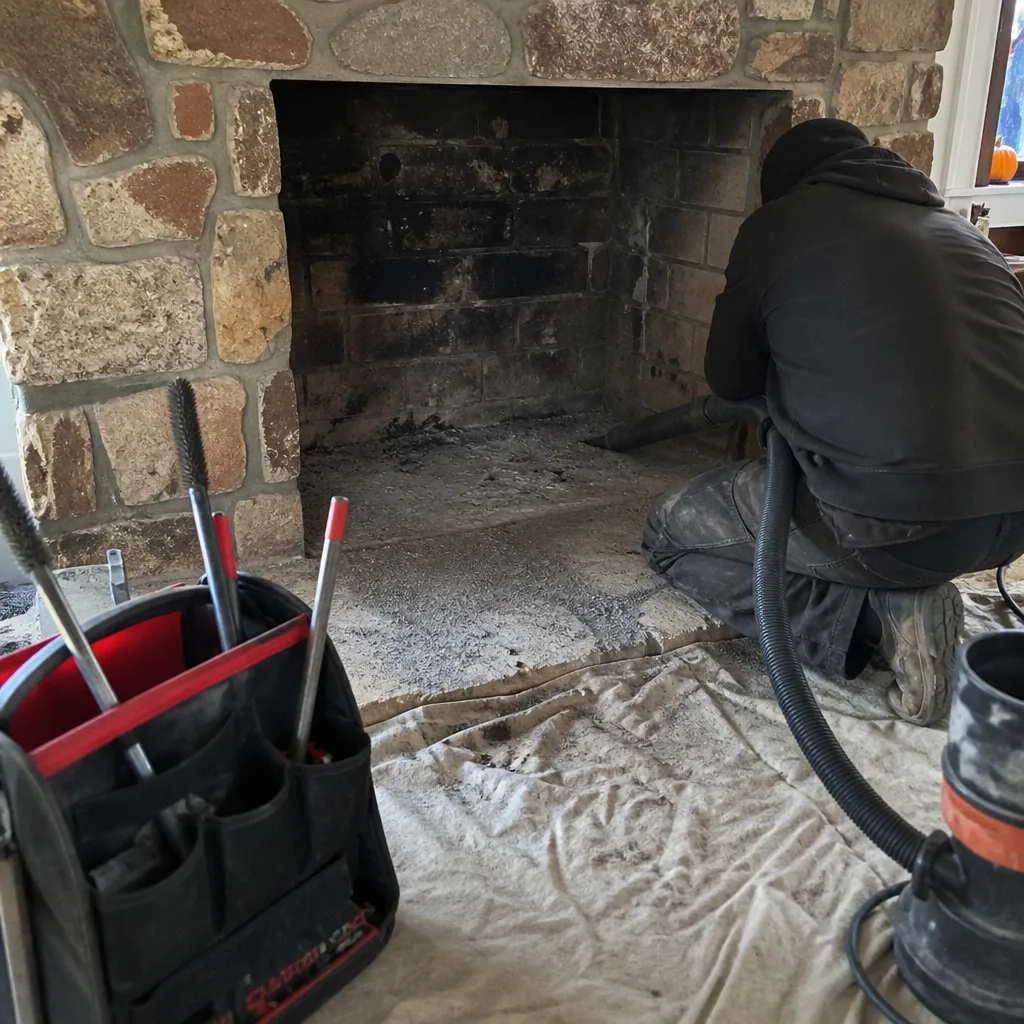 Before
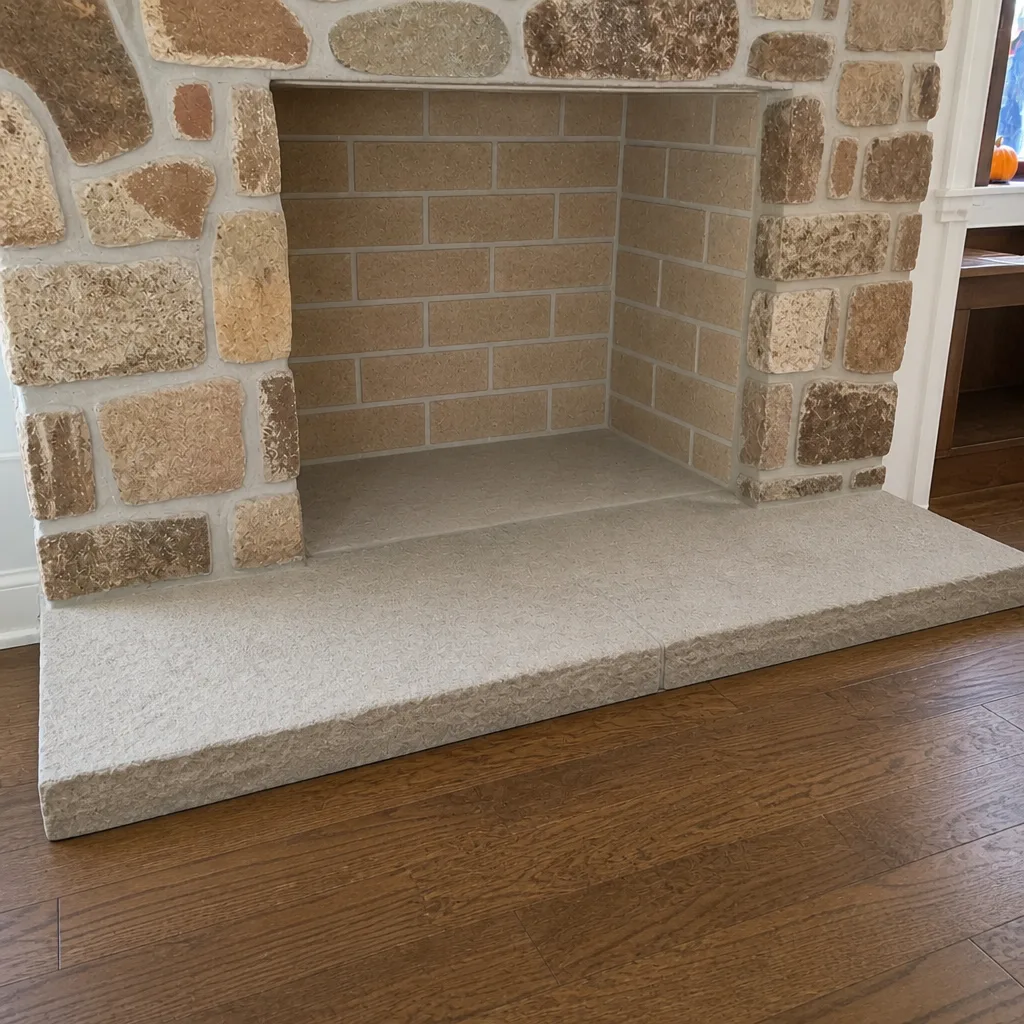 After
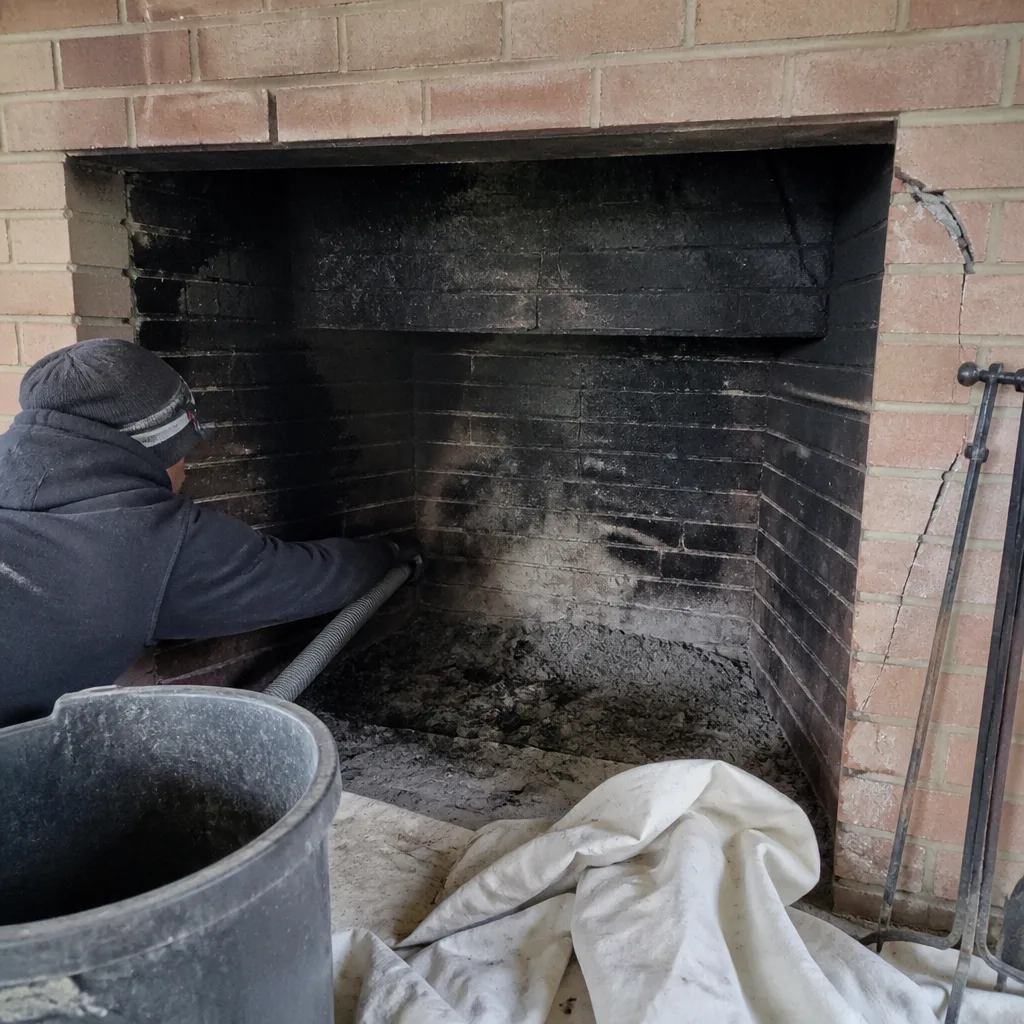 Before
 After
 Before
 After
When to Call a Professional
Some things you can check yourself: look at the crown and cap from the ground after a wind event, watch for water stains, and notice how the fireplace draws. Other things need a trained set of eyes. Call a professional if you spot new cracks in the crown or masonry, if you see water stains near the chimney, if smoke spills into the room, if the chimney has taken a hit from a heavy wind, or if it’s simply been more than a year since the flue was cleaned. Anything involving the flue liner, roof-level masonry, or work at height should be handled by someone equipped for it, and that includes anything that involves climbing the chimney itself. Chimney Sweep Brighton offers free estimates in Brighton, so it costs nothing to find out what your chimney actually needs before you spend anything. Call (877) 559-4656. We answer 24/7. Fast dispatch from 7am to 7pm, Sunday through Friday.
Frequently Asked Questions
Most Brighton homeowners should have the flue cleaned at least once a year, and more often if they burn heavily or notice creosote building up. In this climate we also suggest a post-winter inspection each spring, separate from the fall cleaning, so damage from the freeze-thaw season is caught early. Call (877) 559-4656 for an exact quote on a Brighton sweep, estimates are free.
Because the worst damage to a chimney here happens in winter and shows up in spring. Freeze-thaw cycles open and widen cracks, and spring snowmelt and rain then push water into them. A March or April inspection catches that damage while it’s still small, whereas a fall visit only finds it after months of moisture has worked behind it. A spring check is often the more protective appointment in Brighton.
A year without attention lets small problems grow, and in Brighton’s climate the chimney doesn’t sit still. A crown crack widens through freeze-thaw, mortar joints erode, and creosote keeps building in the flue, all of which raises the risk of a chimney fire or water damage. The repair bill for a caught-early crack is smaller than the bill for a flue or masonry repair found a year later. Call (877) 559-4656 for a free estimate and find out what your chimney actually needs.
You can check the crown and cap from the ground and watch for warning signs like water stains or smoke spill, but anything that involves the flue, the liner, roof-level masonry or working at height should go to a trained professional. The flue is where creosote fire risk and carbon monoxide risk live, and roof work on a Brighton chimney is not a do-it-yourself job.
Summer, when mortar and crown mixes have consistent warm, dry conditions to cure in. Masonry repaired in summer hardens properly and holds through the next freeze-thaw season, while the same work done in cold weather can fail. Plan repointing and crown repairs for the summer window so the repairs are ready before winter.
Yes, and it’s one of the most cost-effective things you can add to a Brighton chimney. A correctly fitted, screened cap keeps rain, snow, birds and debris out of the flue all year and protects the crown and masonry repairs underneath. Without one, the flue is open to the weather and to whatever a wind event drops into it. Call (877) 559-4656 for a free estimate on a cap or crown installation.
The Bottom Line
In Brighton, the chimney calendar should follow the climate, not the generic advice. The heaviest stress comes in winter, so inspect in spring while the damage is fresh, do the cap, crown and masonry work in summer while materials cure, clean and check the flue in fall before the first fire, and watch the chimney through the winter. Throughout the year, check the exterior after wind events and keep a carbon monoxide alarm working. Treat the chimney as a system that includes the firebox, flue, damper, smoke chamber, crown and cap, and check it as one. Done this way, repairs stay small and the fireplace stays safe for the season ahead.
When you’re ready for a chimney that’s been maintained and not just cleaned, our team can look at the whole assembly and tell you plainly what needs doing now and what can safely wait. If you need a fireplace repair or a fuller chimney repair after a winter’s damage, we handle it with professional-grade materials from brands like HeatShield, DuraFlex and Famco rather than hardware-store substitutes. Our technicians have up to 13 years of experience, and we diagnose before we quote so every repair is based on what your chimney actually needs. Call (877) 559-4656 for a free estimate. We answer 24/7. Fast dispatch from 7am to 7pm, Sunday through Friday. You can also start with the Chimney Sweep Brighton service overview to see the full range of what we cover.
Written by the team at Chimney Sweep Brighton.