
Last updated November 24, 2026
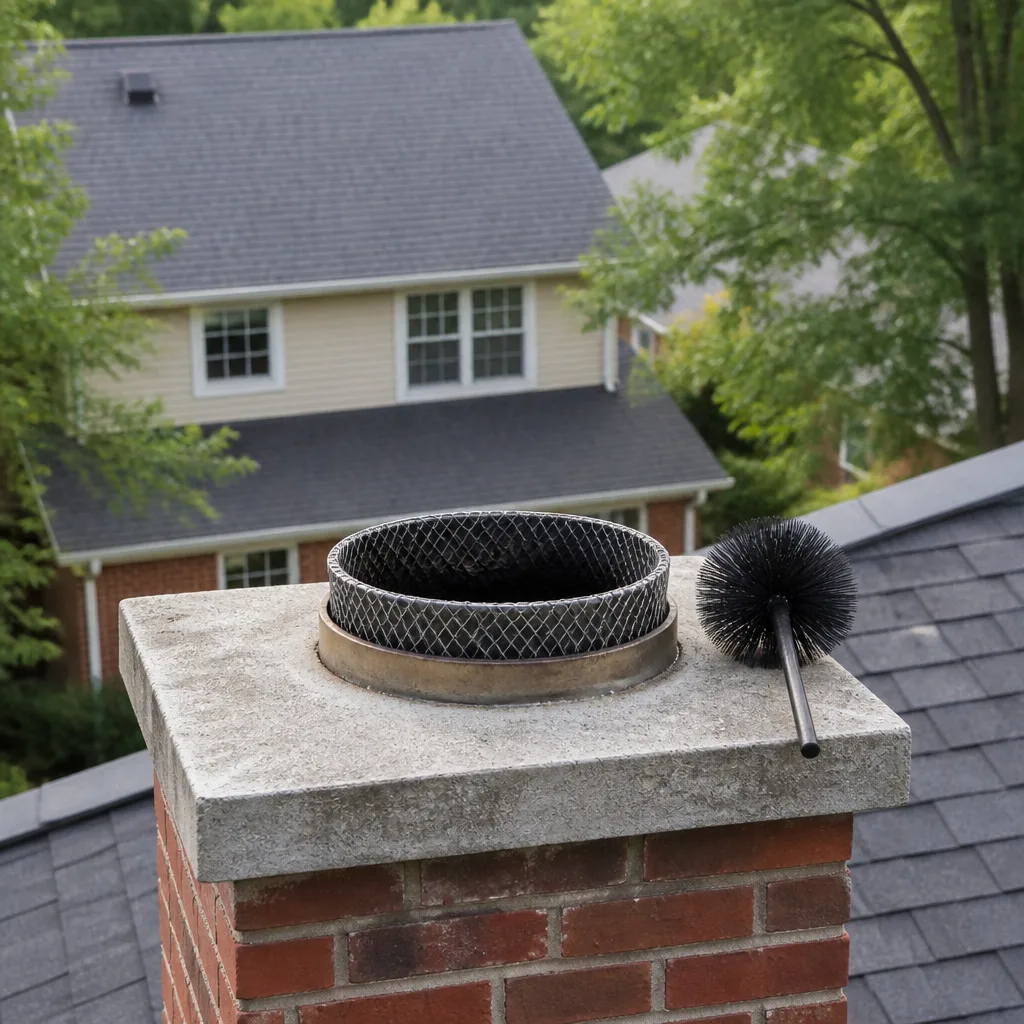 Sweep & inspection
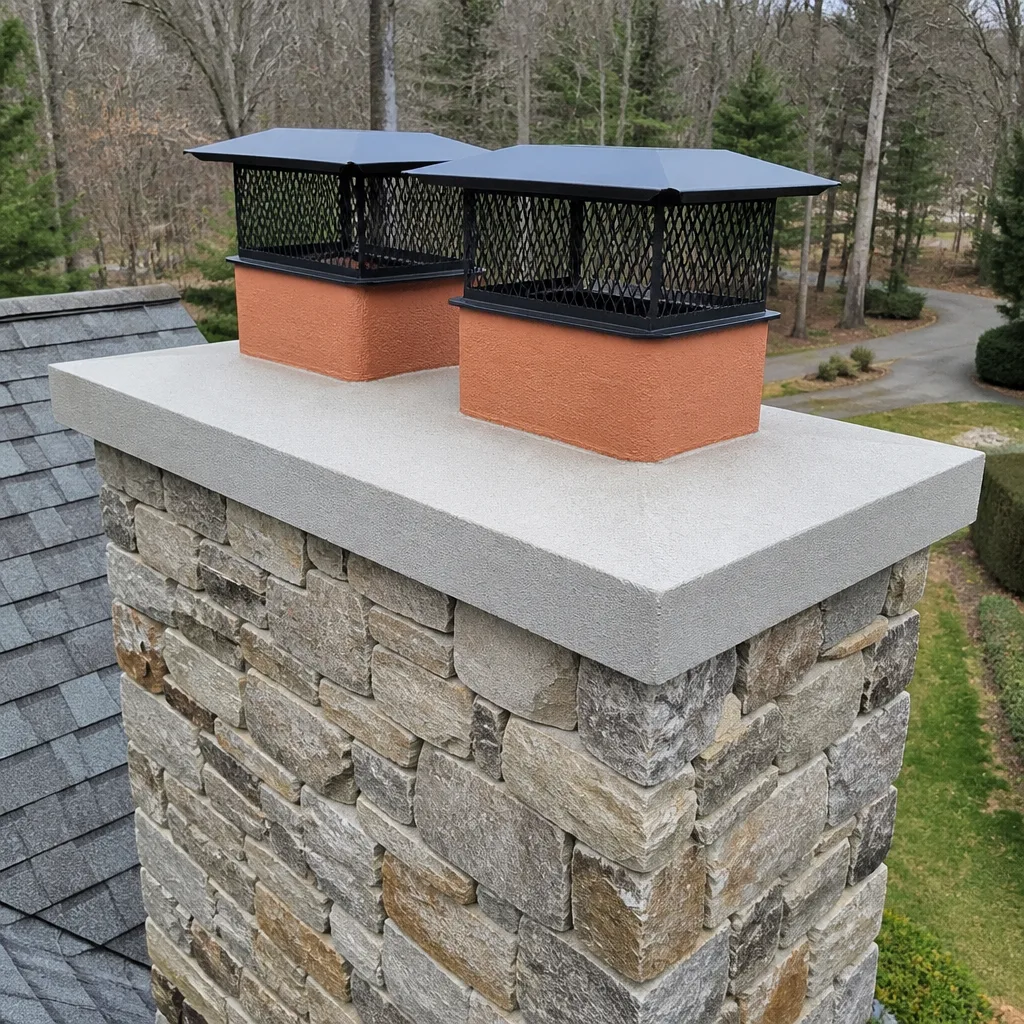 Caps & crowns
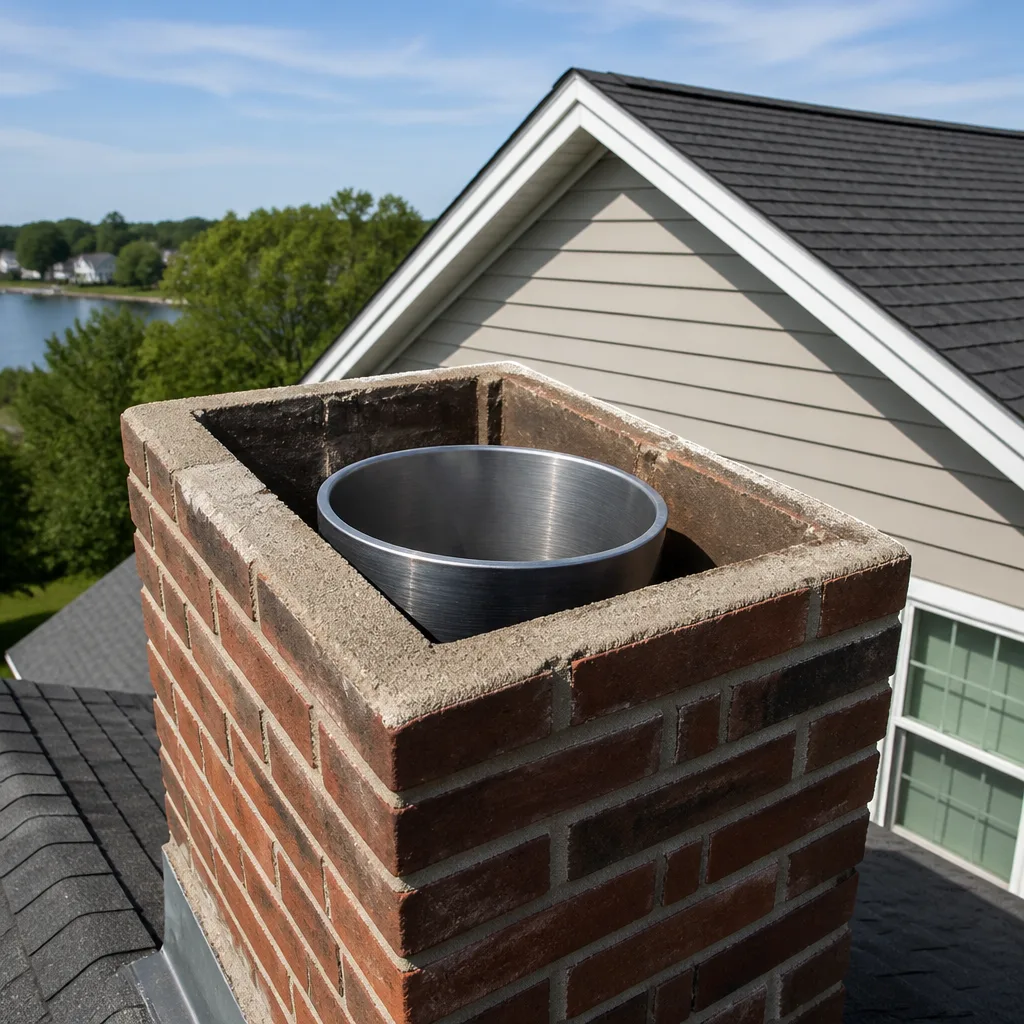 Flue relining
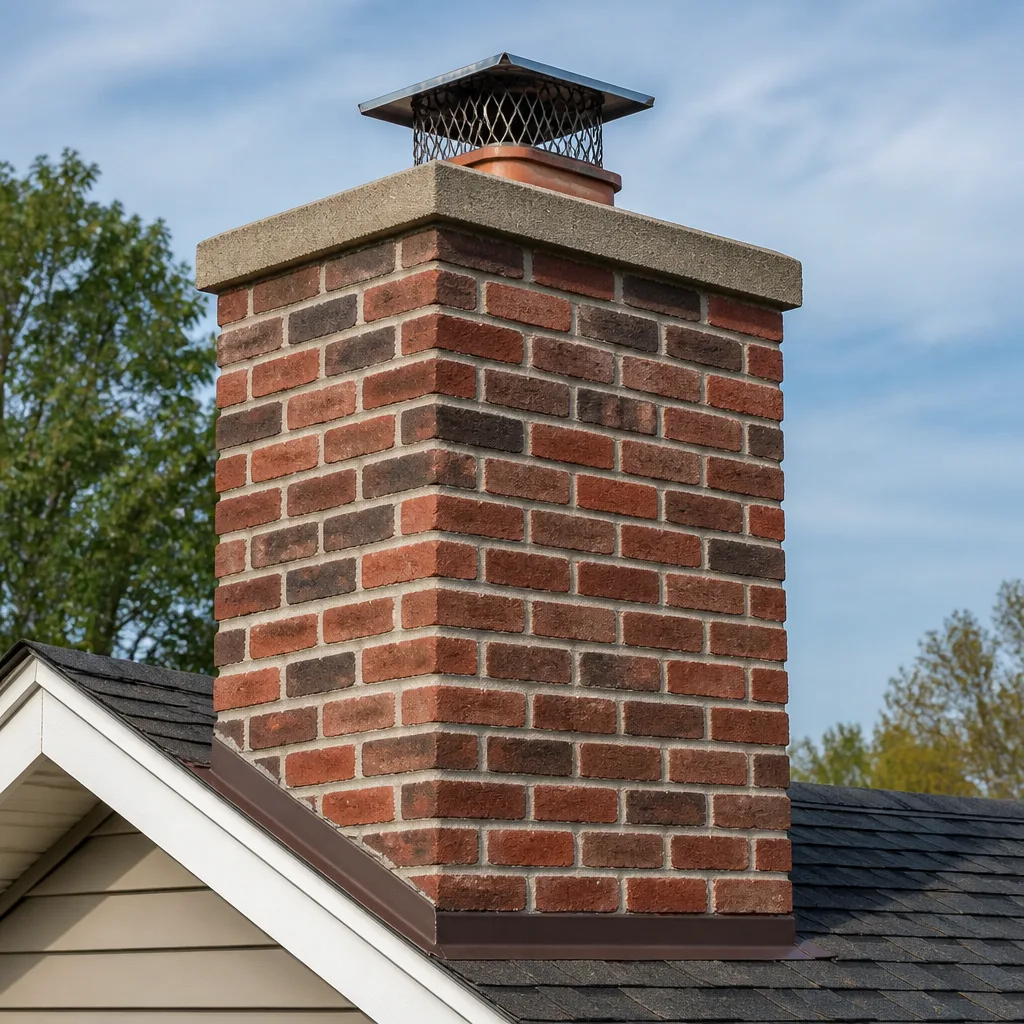 Masonry repair
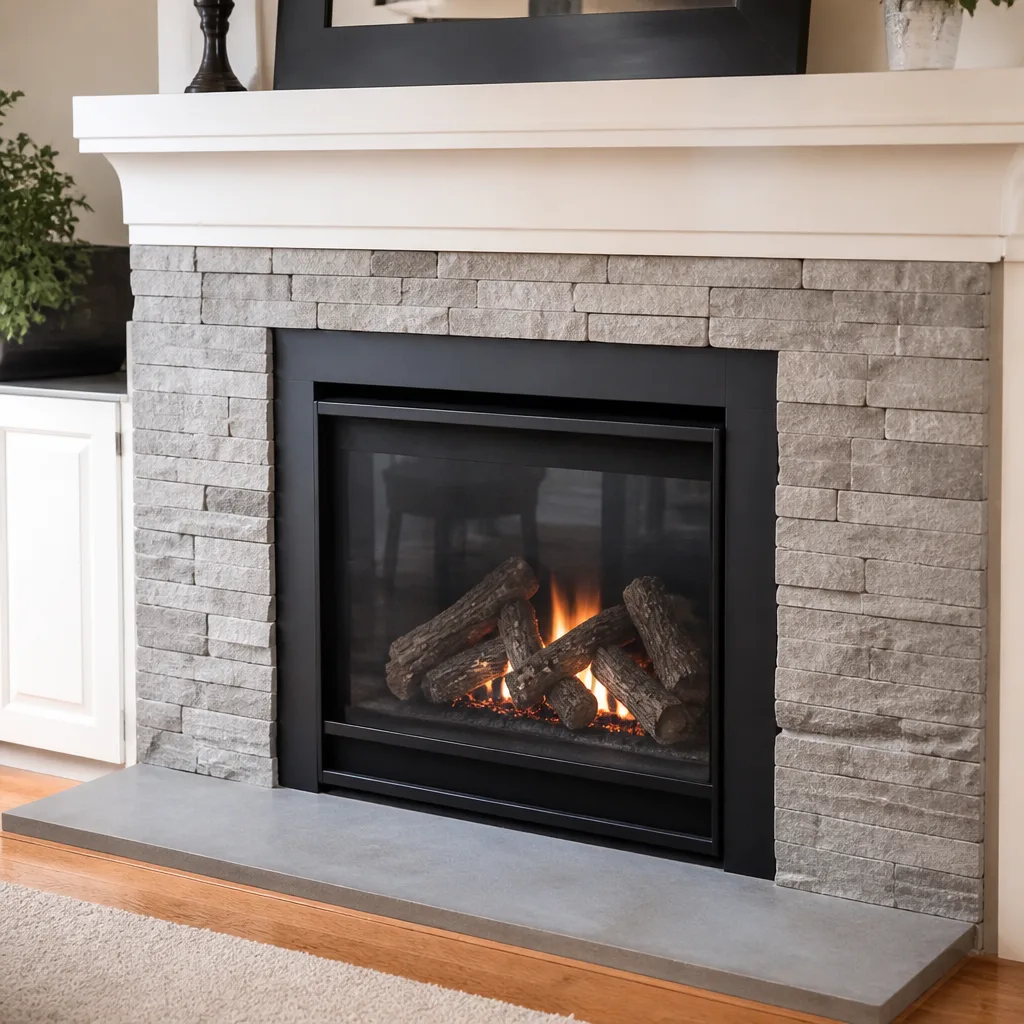 Gas fireplace service
Level 1 sweep and inspection to the NFPA 211 annual standard - flue, crown, cap, and flashing checked and photographed
Chimney sweep logs do not sweep chimneys. They loosen some creosote - which then falls where a brush and vacuum still have to collect it.
Chimney Cleaning Warning Signs: A Brighton Homeowner’s Reference Guide
Most chimney warning signs get talked about as vague symptoms. “I smell smoke.” “It doesn’t draft right.” “There’s a stain.” And because the symptom is vague, the response is vague too: book a sweep, hope for the best. But here’s what we’ve learned working on chimneys around Brighton: almost every symptom points to a specific mechanical failure at a specific location in the system. A smoke smell in a room with no fire burning usually isn’t a cleaning problem at all. It’s a pressure problem, and no amount of brushing will touch it. This guide teaches you to read your chimney’s symptoms as diagnostic data, so you know what’s actually happening and what kind of help you need.
Quick Answer
Chimney warning signs fall into two groups: cleaning signs and repair signs. Black or flaky creosote, granules in the firebox, and a strong acrid odor mean the flue needs sweeping. White staining, cracked crowns, displaced caps, missing mortar, and smoke rolling into the room point to structural or drafting failures that cleaning can’t fix. Learn to tell the two apart and you’ll know whether to book a sweep or request an inspection.
Styles & brands we work with
- Sweep & inspection
- Caps & crowns
- Flue relining
- Masonry repair
- Gas fireplace service
Table of Contents
- Reading symptoms as diagnostic data
- Creosote odor vs. water damage odor
- What stains are telling you
- Granules in the firebox and liner spalling
- Draft failures: chimney sizing vs. house pressure
- What to look for from outside the house
- “Stop using it” vs. “schedule a cleaning”
- Brighton-specific conditions that accelerate wear
Why Symptoms Point to Specific Failures, Not Just “A Dirty Chimney”
The chimney is a system with several working parts that each fail differently. A firebox, a smoke chamber, a flue liner, a crown, a cap, and a masonry shell around all of it. When one part degrades, it produces a signature. The skill is learning to match the signature to the part.
Here’s the symptom-to-cause map we work from. Any of these could apply to a home in Brighton, where winter wood burning puts real demands on the system and the freeze-thaw cycle works constantly on exterior masonry.
- Black staining around the firebox opening: downdraft or a smoke chamber that’s restricting flow. Smoke is escaping the firebox before it can climb the flue.
- White or chalky staining on exterior brick: efflorescence, which means water is migrating through the masonry. Water is getting in somewhere and evaporating out through the brick.
- Crumbly granules on the firebox floor: the flue liner is spalling, shedding material from heat stress or moisture damage.
- Persistent acrid smell when the fireplace is idle: creosote in the flue combined with negative pressure pulling air down the chimney. This one usually needs two separate fixes.
- Smoke rolling into the room from a cold start: could be a cold flue that needs warming, could be a sizing problem, could be negative house pressure. The behavior across multiple fires narrows it down.
- Visible cracking or displacement of the crown: water entry at the top of the chimney, which will eventually work its way into the flue and interior masonry.
Match the symptom to its cause and you stop guessing. You don’t sweep a chimney that needs a crown repair, and you don’t repair a chimney that just needs a sweep. Getting the diagnosis right the first time saves money and prevents unnecessary work. For a professional read on the full picture, chimney sweep services that include inspection give you a starting point.
Creosote Odor vs. Water Damage Odor: Two Different Problems
The smell in your chimney room is diagnostic. Creosote smells sharp, acrid, and petroleum-like. Water damage smells earthy and musty, like a damp basement. These two odors point to completely different interventions, and confusing them leads to the wrong fix.
Creosote is a byproduct of incomplete combustion. It deposits on the flue walls in three forms that get progressively harder to remove: a soft soot stage, a flaky crust, and a glazed tar stage that requires rotary tools and, often, chemical treatment. When the fireplace isn’t in use and the house is running under pressure, air can backflow down the flue and carry creosote odor into the living space. A sweep clears the deposit. But the odor will come back if the pressure problem underneath isn’t addressed.
Water damage odor works differently. It’s the smell of damp masonry, and it usually originates where water has entered through the crown, a cracked cap, or failed flashing. Masonry that stays wet breaks down over time through freeze-thaw cycling, which is a real concern in Brighton’s climate because water gets into the pores of the brick or mortar, expands when it freezes, and pushes the material apart. That’s the mechanism behind a lot of the efflorescence and missing mortar we diagnose in the area.
To sort the two out, use your nose and the timing.
- Smell it when the fireplace hasn’t been used for hours. Creosote odor tends to spike on cold, still days when the house is tight and the pressure gradient pushes air down the flue.
- Check whether the smell is worse during rain or melting snow. That points toward water intrusion.
- Look for visible staining or efflorescence. White chalky deposits on the brick mean water migration is happening. Find the entry point.
- Note whether the odor is inside the firebox or in the room generally. Firebox odor is usually creosote. Room-wide musty odor leans toward water.
The fix for creosote is a sweep and, if it’s reached the glazed stage, rotary cleaning. The fix for water damage is finding and sealing the entry point, which might be crown repair, cap replacement, flashing work, or masonry repair. Different trades, different materials. A chimney repair visit is the right call when water odor is the problem.
What Stains Are Telling You: Efflorescence, Black Staining, and Rust
Staining is the chimney’s way of showing you where the water or the smoke is going. Read the color and location correctly and the diagnosis usually comes fast.
White or chalky staining
Efflorescence is a salt deposit that forms when water moves through masonry and evaporates out. The salts were always in the brick or mortar; the water is the problem. Efflorescence on exterior brick, especially near the crown or in a band across the middle of the brickwork, means moisture is entering somewhere above or behind the stained area. The first place to check is the crown, where a hairline crack is enough to let water in and where freeze-thaw will widen that crack over a couple of seasons.
Black staining around the firebox opening
Black staining on the masonry or metal around the firebox means smoke is escaping from the firebox before it has a chance to enter the flue. This is a downdraft problem or a smoke chamber problem. The smoke chamber is the sloped transition between the firebox and the flue. If its shape is inefficient, or if the flue isn’t pulling hard enough, smoke drifts into the room and stains the surround. The answer here isn’t a cleaning. It’s an inspection, usually with a camera, to see what the smoke chamber looks like from the inside.
Rust staining on steel or the firebox
Rust points directly at water. A rusted firebox grate, rust streaks below the cap, or rust on a steel damper all say the same thing: water is getting in. Fix the water source before doing anything else. Otherwise every repair you make gets undone by the next rainfall.
Some homeowners in Brighton see efflorescence return after a repair that didn’t address the actual water entry point. When that happens, the crown or cap work was incomplete. Cap and crown installation done properly with professional-grade products, including crowns from a maker such as Copperfield, is what stops the cycle. Base flashing, the metal or sealant at the chimney-to-roof transition, is another common source that gets missed.
Granules in the Firebox: Liner Spalling and What It Means
If you sweep out the firebox and find a small pile of crumbly granules, sand-like particles, or flakes of material where you didn’t expect them, the flue liner is shedding. This is not ash. It’s the liner itself coming apart in small pieces. That’s a warning sign worth taking seriously.
Older masonry chimneys have either clay tile liners or, in some cases, no liner at all. Clay tile is durable but it cracks under thermal stress, and over many heating seasons you get spalling: small flakes of the tile breaking off and falling into the firebox. A metal liner can also spall if the steel has reached the end of its working life. Either way, a spalling liner is a compromised barrier between hot flue gases and the masonry shell of your chimney.
What’s the fix? It depends on the extent. Sometimes the liner is restorable. HeatShield ceramic resurfacing is a method of repairing a clay flue liner from the inside without tearing the whole system out, and it’s a suitable option on some degraded liners where a full reline isn’t yet needed. In our experience on Brighton homes, this is the sweet spot for older masonry chimneys that are structurally sound but have a flue that’s starting to break down. For liners that are beyond resurfacing, or for cases where the flue run has offsets and bends, a DuraFlex flexible liner can usually follow the path in ways a rigid liner can’t. The decision is made after a camera inspection, not before.
Here’s the sequence we use when granules show up in the firebox:
- Stop using the fireplace until an inspection is scheduled. A compromised liner can let heat reach combustible framing.
- Camera inspection of the flue to see the condition of the liner from the inside.
- Assessment of whether the liner can be resurfaced or needs replacement.
- Recommendation of a repair path, whether ceramic resurfacing, flexible liner, or another approach, based on what the camera found.
Granules on their own don’t tell you how bad it is. The camera does.
Draft Failures: Chimney Sizing vs. House Pressure
Draft is the single most misunderstood issue in chimney work. When a homeowner calls about drafting problems, they usually assume a sweep or a liner change will solve it. Sometimes that’s right. But a significant share of drafting complaints in Brighton turn out to be negative pressure in the house, and no chimney service can fix that from inside the chimney. It requires fixing the house.
Here’s the distinction.
Chimney sizing problems
A flue that’s too small for the appliance won’t carry enough air. A flue that’s too large for the firebox cools the flue gases before they reach the top, and cool gases rise more slowly. The chimney needs a correct ratio of flue cross-section to firebox opening, plus enough vertical height to develop a proper stack effect. When those numbers are wrong, adding height, correcting the flue throat, or altering the smoke chamber can help.
Negative pressure problems
Modern homes, especially after air sealing or a change to the HVAC system, can be tight enough that the chimney becomes the easiest place for air to enter. When a clothes dryer, a furnace, or a bath fan runs, it pulls air out of the house. If the house is tight, air gets pulled down the chimney to replace it. You get a draft that won’t start, smoke rolling into the room, or that acrid creosote smell when the fireplace is cold. Sweeping this chimney does nothing. The fix might be makeup air, a chimney-top damper, or adjusting the pressure balance.
When you’ve had a sweep and the drafting problem persists, that’s usually the sign it was never a cleaning issue. We’ve seen this pattern more than once on newer Brighton homes where energy improvements went in without any thought to the fireplace. If you want another point of reference, the Chimney Sweep Brighton pages cover inspection routes that diagnose exactly this kind of split problem.
One way to test the house-pressure side yourself: turn on the bath fans in the house on a cold morning, then light a small fire. If the smoke won’t start going up when the fans are running but does when they’re off, pressure is playing a role.
What to Look For From Outside the House
You don’t need to climb on your roof. Binoculars from the ground and a careful look at the base of the chimney will show you most of the exterior warning signs worth knowing.
- A tilted or displaced cap. A chimney cap should sit flush and level. If it’s shifted, wind is getting under the cap and blowing smoke back into the flue, and water is getting into the flue opening directly.
- Cracks in the crown. The crown is the top concrete or mortar surface that sheds water away from the chimney. Any visible crack or a crown that has started to crumble gives water a path in. This is one of the highest-value repairs on the whole exterior, and it’s often skipped because the crown isn’t part of the sweep.
- Missing or spalled mortar. Look at the brick courses near the crown. If the mortar lines look recessed, or if you can see a gap, the mortar has failed and water is getting into the joint. Water in a mortar joint freezes, expands, and takes more brick with it each winter. In Brighton’s climate, this is the mechanism that quietly turns a cosmetic issue into a structural repair.
- Efflorescence on the upper brickwork. As covered earlier, this is water migration through the masonry. It’s worth looking at the crown and cap first, because that’s where the water usually enters.
- Rust streaks below the cap. Rust means a steel component has been wet. Likely sources are a failing cap, water pooling on the crown, or the top course of flashing.
Crown and cap work is where a lot of otherwise good chimney maintenance stops short. A clean, well-drafted chimney with a cracking crown will degrade faster than a chimney that was capped properly and had its crown sealed. When we install caps and crowns on Brighton homes, we use professional-grade products from makers including Copperfield and Gelco, and we treat the crown as part of the whole system rather than a finishing touch.
“Stop Using It” vs. “Schedule a Cleaning”: Triage Rules
Not every warning sign means the same urgency. Some mean a cleaning before next season. Some mean don’t light the fireplace again until someone has inspected the interior.
Stop using the fireplace and get an inspection before the next fire if you see:
- Granules or sand-like material in the firebox (liner spalling). A compromised liner is a real risk because heat can reach combustible material outside the flue.
- White chalky staining combined with a musty water smell. Water in the flue means the liner and masonry are degrading, and the safe course is to hold off until you know the extent.
- A strong smoky smell that persists indoors even with the damper closed and no fire burning. This is the acrid odor or the negative pressure signature, and it needs a professional’s read before you build fires again.
- Visible damage to the firebox masonry, cracked brick inside the firebox, or a fireback that’s come loose.
- Any indication that the cap has come off completely and rain or debris could reach the flue.
Schedule a cleaning before the next season if you see:
- Visible soft or flaky soot on the damper, the firebox walls, or the flue throat. This is normal accumulation. A sweep will clear it.
- A slight residual smoky smell after a fire that fades within a day. This is usually creosote in the flue, and a sweep will address it.
- Efflorescence on exterior brick alone, without interior symptoms. Book an inspection along with the next sweep so the crown and cap can be checked and repaired if needed.
- A dusting of ash in the firebox after a period of use. That’s ash, not spalling granules. Check the texture: ash is fine powder, spalling is crumbly flakes.
If you’re unsure which column your symptom falls into, call and describe it. That single call tells you whether to book a cleaning now or to have an inspection first: (877) 559-4656. We answer 24/7. Fast dispatch from 7am to 7pm, Sunday through Friday.
Brighton-Specific Conditions That Accelerate Chimney Wear
Chimneys in Brighton face a specific set of conditions that make certain warning signs more likely to appear on local homes than you’d expect if you moved here from a milder climate.
The freeze-thaw cycle. Brighton sits in a climate with plenty of freezing nights followed by above-freezing days across the heating season. Every freeze-thaw cycle puts stress on exterior masonry, especially the crown and the upper brick courses. Water that gets into a hairline crack expands when it freezes and pushes the material apart a little more each time. This is why crown cracks that look cosmetic in fall are structural problems by spring, and why efflorescence and missing mortar near the top of a Brighton chimney are common findings.
Dry winters and wood-burning intensity. A dry, cold winter is wood-burning weather, and Brighton homes that heat with their fireplaces through the cold months run the flue hard. Creosote accumulates faster on a chimney that’s working regularly. If your flue hasn’t been swept in more than a season of regular use, that black creosote is doing more than smelling: it’s a fire hazard if it reaches the glazed stage.
Newer homes and air-sealing. Brighton has a lot of newer construction alongside older neighborhoods. In newer, tighter homes, negative pressure is a more common cause of drafting complaints than chimney defects. In older homes, degraded liners and cracked crowns are more common. Both sets of problems are real, and the fix is different for each.
The practical upshot: check your chimney every fall before the heating season, look at the crown and cap from the ground, smell the firebox on a cold morning, and don’t assume the symptom you’ve got is the one a sweep fixes. Get the diagnosis right. Our technicians have up to 13 years of experience telling these symptoms apart on Brighton-area chimneys.
Common Mistakes to Avoid
- Booking a sweep for a drafting problem. If smoke rolls into the room when you light a fire, sweeping the chimney won’t touch it. The problem is often pressure or sizing, not soot. Get an inspection first.
- Ignoring a crown crack because it “looks small.” In Brighton’s freeze-thaw climate, a hairline crack in the crown becomes a real water entry point within a season or two. Repair it while it’s still small.
- Confusing efflorescence with something to clean off. Scrubbing away the white stain treats the symptom. The cause is water coming in somewhere above. Fix the water path, not the stain.
- Treating granules in the firebox as ash. Ash is fine powder. Granules are crumbly flakes. If you’ve got granules, stop using the fireplace and get an inspection.
- Skipping the cap and crown because the sweep is the annual service. Caps and crowns are what protect the rest of the work. Without them, every repair gets undone by the next rain or freeze.
- Confusing creosote odor with water smell. These require completely different interventions. Sharp and acrid means creosote. Earthy and musty means water. Get the diagnosis right before you spend money on the wrong fix.
- Trusting a “one service” answer to a two-part problem. A chimney that’s both under-drafted and water-damaged needs both problems addressed. If the answer you’re given only touches one, ask about the other.
See the difference
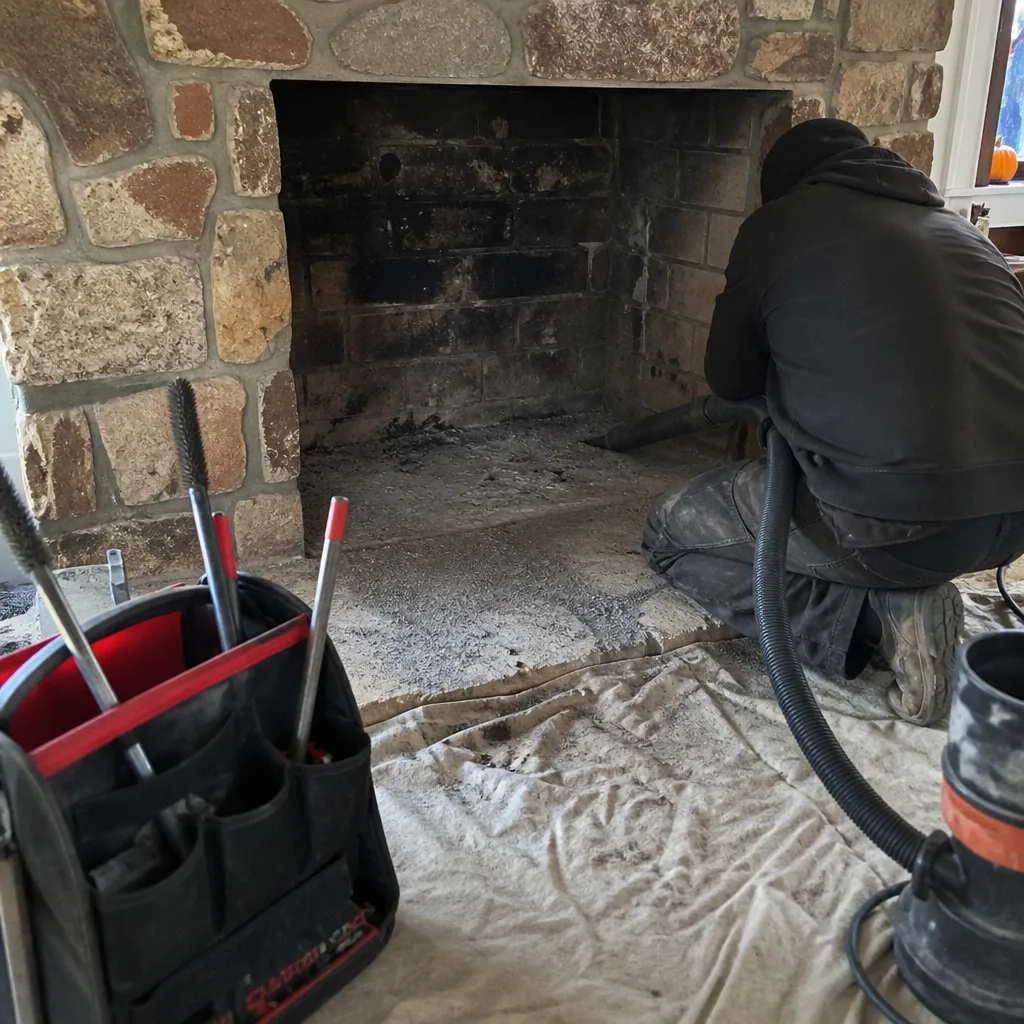 Before
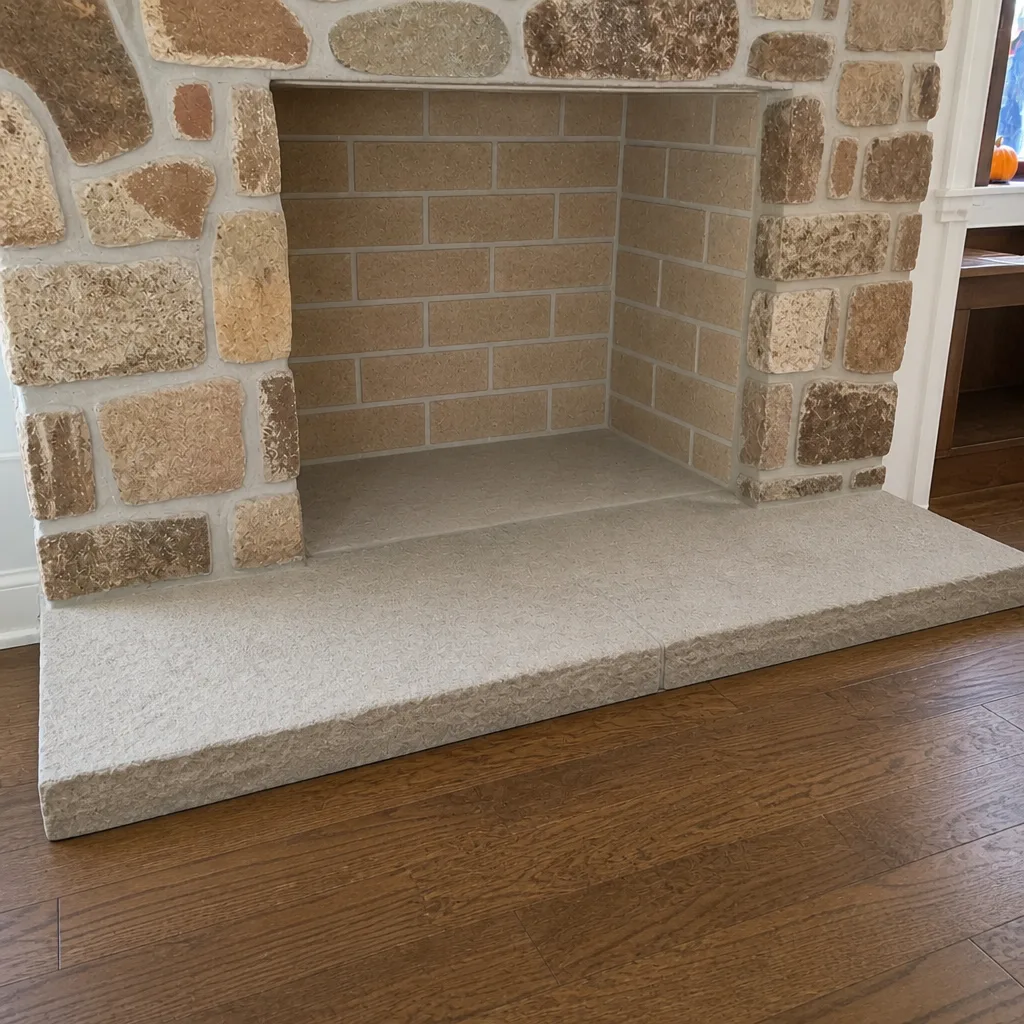 After
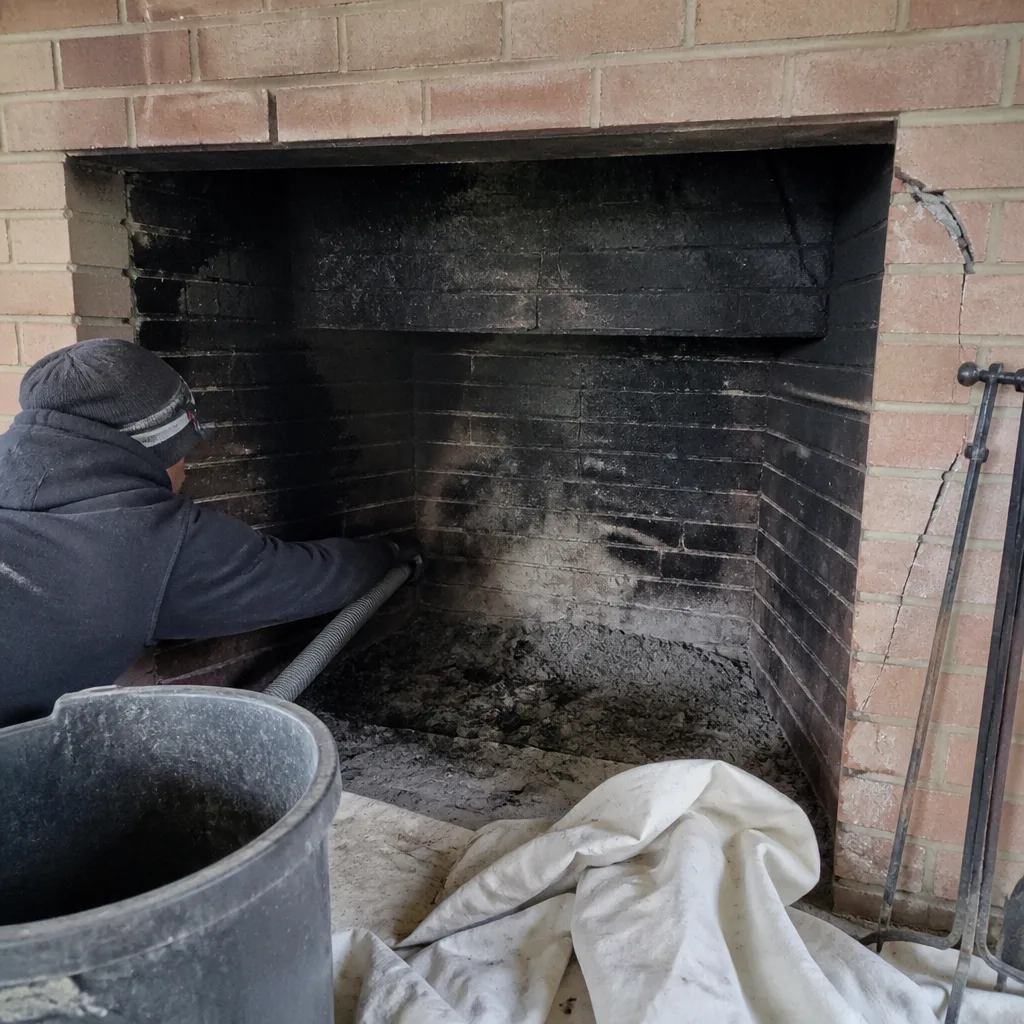 Before
 After
 Before
 After
When to Call a Professional
Call when the symptom points to something you can’t diagnose from the firebox. Granules in the firebox, water staining on exterior brick, smoke that won’t start going up the flue, a strong creosote odor on cold mornings, or a cap that’s tilted after a windstorm all mean it’s time for an inspection, not just a cleaning. Also call if your last sweep was more than a season of regular use ago, if your liner is original and the house is old, or if you’ve had any structural work done near the chimney.
Chimney Sweep Brighton offers free estimates in Brighton. We cover the whole system: sweep, inspect, repair the fireplace, repair the chimney structure, and install caps and crowns. Call (877) 559-4656. We answer 24/7. Fast dispatch from 7am to 7pm, Sunday through Friday.
Frequently Asked Questions
It usually means negative pressure is pulling air down the flue, and that air is carrying creosote odor from the chimney into the room. No amount of chimney cleaning will fix this by itself. The solution is a pressure fix (makeup air, a top-sealing damper, or addressing whatever is pulling air out of the house) combined with a sweep to clear the creosote deposit. Call (877) 559-4656 for an exact quote. Estimates are free.
Not necessarily, but they do mean stop using the fireplace until an inspection. Granules point to liner spalling, which can range from early degradation to a liner that’s failed. On many Brighton homes, a degraded clay tile liner can be restored with HeatShield ceramic resurfacing rather than a full reline. The camera inspection determines which path is right. Call (877) 559-4656 to get an inspection booked.
White staining is efflorescence, which means water is migrating through the masonry and evaporating out. Black staining means smoke or creosote is depositing on the surface, and around the firebox opening it usually indicates a downdraft or a smoke chamber problem. White means fix the water entry point. Black means investigate the draft. Both need a professional look, and the fixes are different.
Once per season of regular wood burning is the standard starting point, and more often if you burn frequently or notice heavy creosote buildup. No fixed number works for every home; the honest answer depends on how much you burn, how dry your wood is, and what the flue looks like on inspection. Ask for an inspection alongside the sweep so the deposit level can be seen, not assumed. Call (877) 559-4656 for an exact quote. Estimates are free.
The risk depends on the sign you skipped. Creosote that reaches the glazed stage is a chimney fire risk. Water in the masonry degrades the liner and brick through freeze-thaw, which turns a capped crown into a structural repair. A compromised liner lets heat reach combustible framing. None of these are hypotheticals; each is a mechanism that progresses on its own once it’s started. If you’re unsure, call (877) 559-4656 and describe what you’re seeing.
A cracked crown almost never means a full chimney replacement. It’s a repair at the top of the system, and it’s usually the highest-value repair you can make because it protects everything below it from water intrusion. Crown and cap work done properly with professional-grade products is what stops the freeze-thaw cycle from taking the rest of the chimney apart. Get an inspection first to see whether other repairs are needed at the same time.
The Bottom Line
Warning signs in a chimney are diagnostic data. Black staining around the firebox points to draft; white staining points to water; granules point to liner degradation; a smoke smell with no fire burning points to pressure. Match the symptom to the cause and you’ll book the right service the first time, whether that’s a sweep, an inspection, a fireplace repair, or crown and cap work. If you’re not sure which symptom you’re looking at, describe it on the phone and we’ll tell you whether to book a sweep now or an inspection. That one call is what keeps a small repair from becoming a larger one.
Call (877) 559-4656 for a free estimate. We answer 24/7. Fast dispatch from 7am to 7pm, Sunday through Friday. Our technicians have up to 13 years of experience reading chimney symptoms on Brighton homes, and we diagnose before we quote.
Written by the team at Chimney Sweep Brighton.