
Last updated November 24, 2026
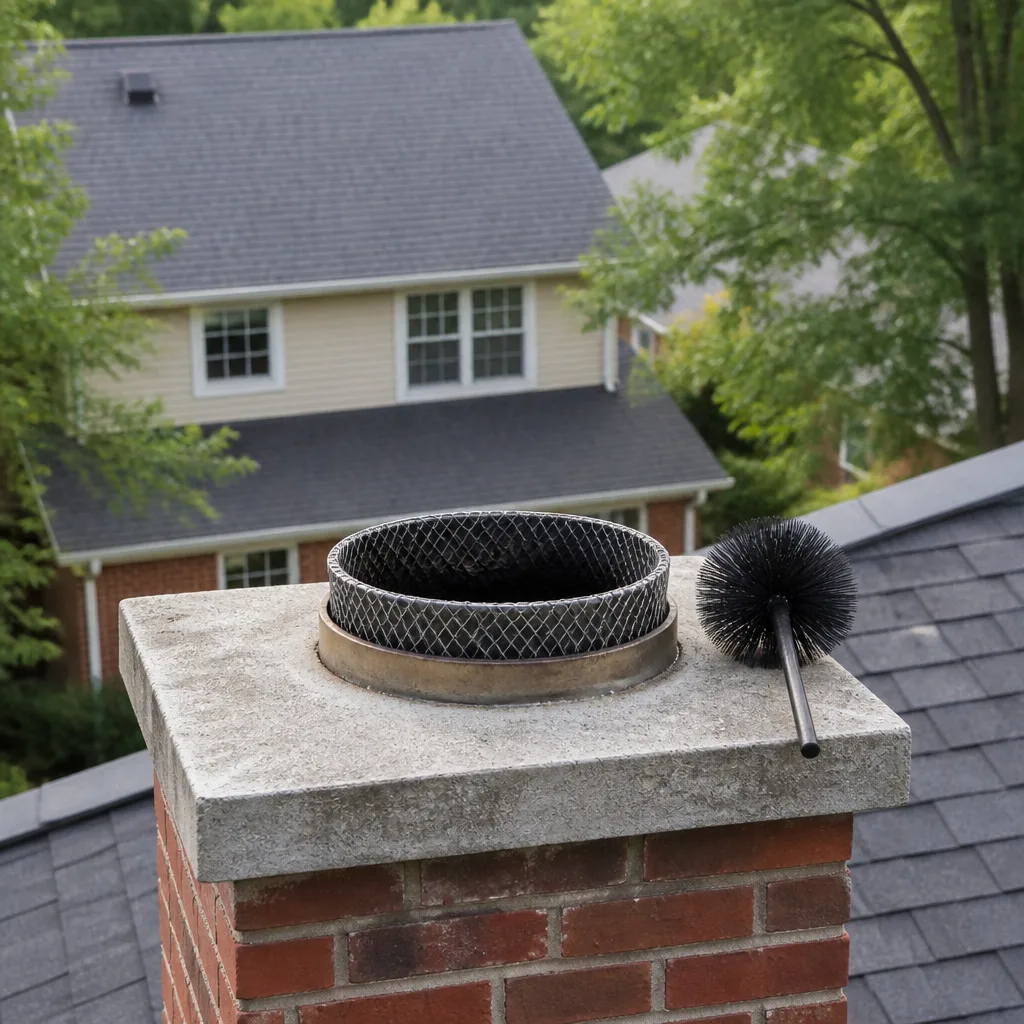 Sweep & inspection
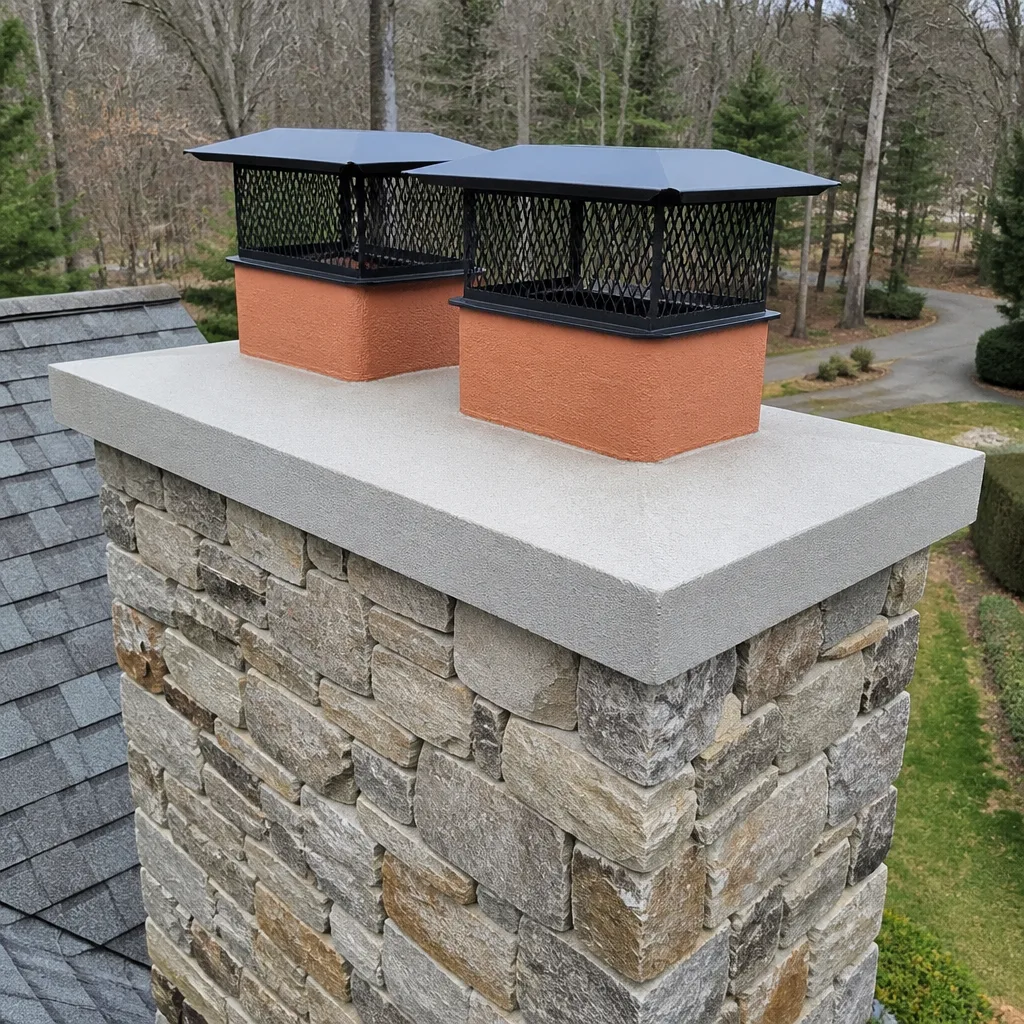 Caps & crowns
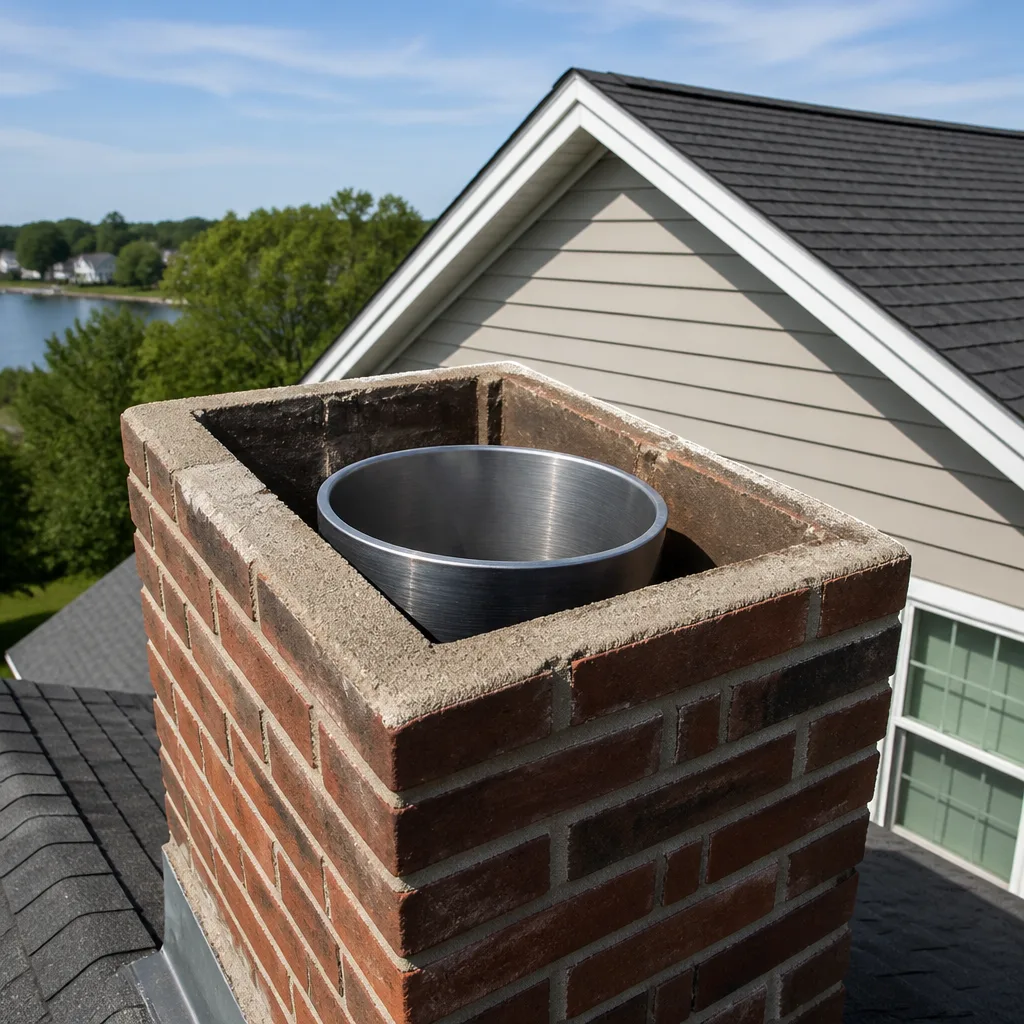 Flue relining
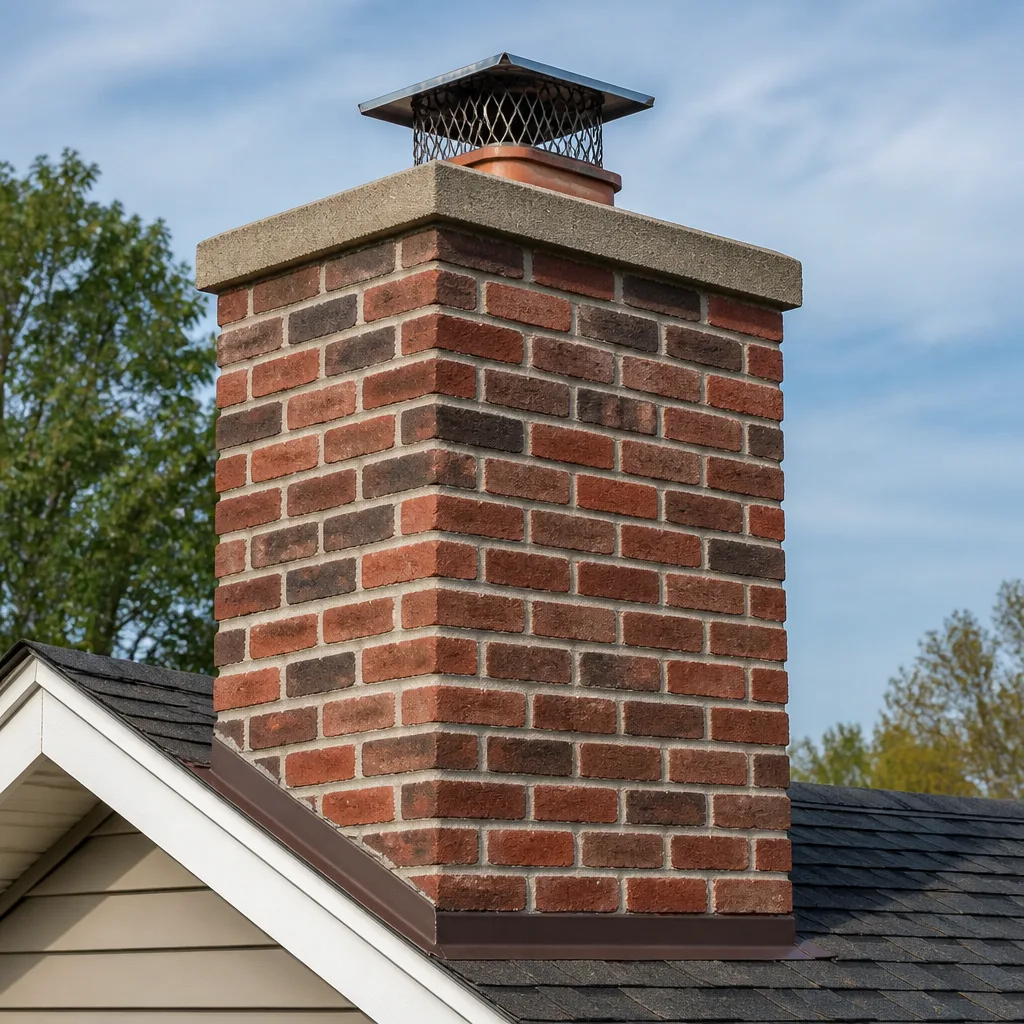 Masonry repair
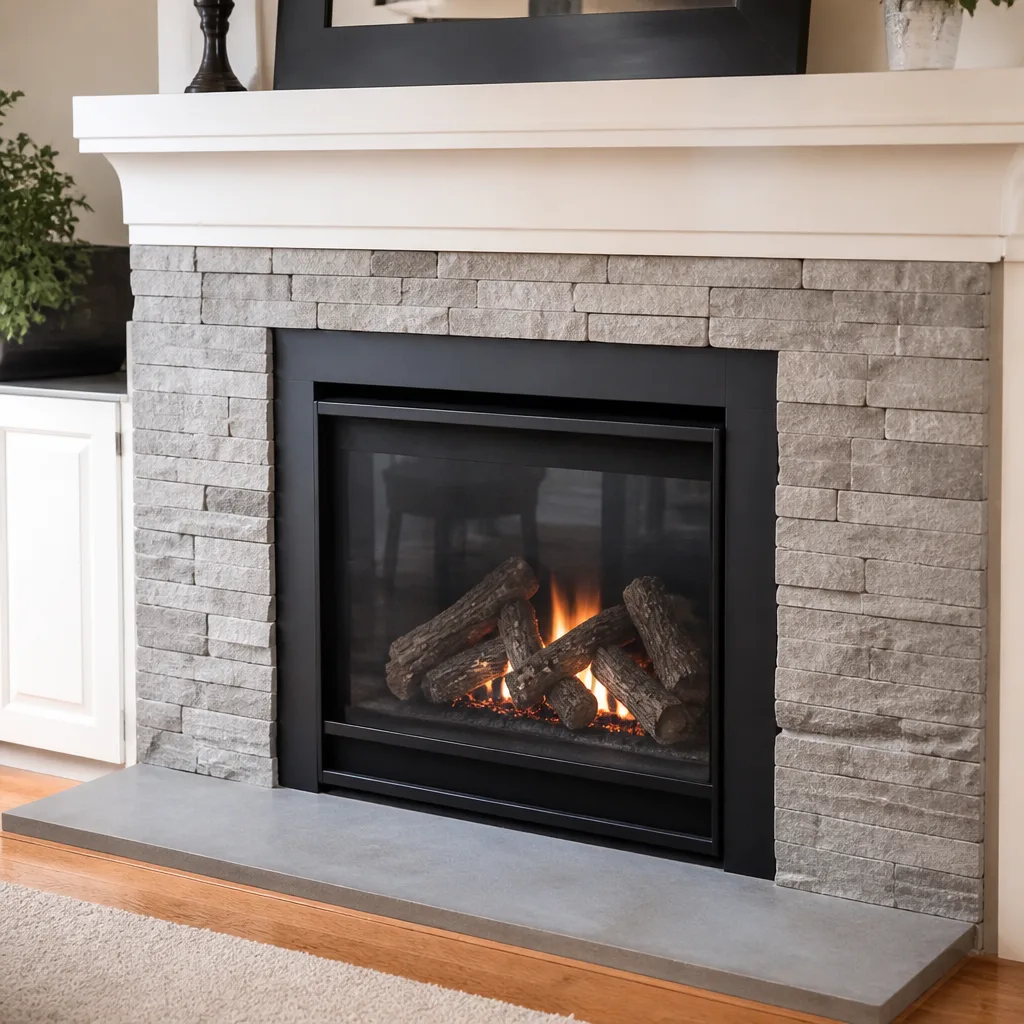 Gas fireplace service
Level 1 sweep and inspection to the NFPA 211 annual standard - flue, crown, cap, and flashing checked and photographed
Chimney sweep logs do not sweep chimneys. They loosen some creosote - which then falls where a brush and vacuum still have to collect it.
DIY vs Professional Chimney Cleaning: The Brighton Homeowner’s Decision Guide
The chimney cleaning kits on the shelf at the hardware store are real tools that do real work. A poly brush on a flexible rod can knock light soot off the walls of a flue, and for a lucky subset of homes, that’s genuinely enough. But those kits are built for maintenance cleaning of a system you already know is sound. They can’t tell you whether your system is sound, and that distinction is where house fires start. In this guide we’ll draw the line precisely: which Brighton chimneys a homeowner can safely maintain, which can’t, and the specific gaps in equipment, diagnosis, and documentation that a brush kit can’t close.
Quick Answer
DIY chimney cleaning is appropriate only for a straight, single-flue chimney that has had a professional inspection within the last year, burns dry seasoned wood at low-to-moderate frequency, and shows only light, fluffy soot. In every other case – unknown liner condition, glazed or hardened creosote, offset flues, older masonry, or any doubt about the last inspection – a professional sweep is the correct choice, because the cleaning itself is the easy part and the assessment is what keeps the house safe.
Styles & brands we work with
- Sweep & inspection
- Caps & crowns
- Flue relining
- Masonry repair
- Gas fireplace service
Table of Contents
- What DIY chimney cleaning can legitimately accomplish
- The equipment gap: soot, Stage 2, and Stage 3 creosote
- The diagnostic gap: what a professional sweep actually assesses
- A decision matrix for Brighton homes
- Brighton’s climate and housing stock: why the line shifts here
- Liability and insurance: what documentation insurers look for
- Common mistakes to avoid
- When to call a professional
What DIY chimney cleaning can legitimately accomplish
We’re not going to pretend a brush kit is useless. It isn’t. In a narrow set of conditions, a homeowner can perform a legitimate maintenance cleaning that removes surface deposits and keeps the flue from accumulating soot between professional visits. Here are the conditions, and they all have to be true at once:
- The system is straight and single-flue. No offsets, no elbows, no back-to-back flues sharing a chimney. A straight run lets a rod and brush travel cleanly to the top and back.
- There’s an accessible cleanout door. If the cleanout is blocked, rusted shut, or buried behind a fireplace insert, you can’t get the debris out of the smoke chamber, and it will stay there.
- A professional inspection has happened within the last year. This is the non-negotiable one. You need a recent, documented assessment confirming the liner is intact and the system is fit to burn before you start self-maintaining.
- The fuel is dry, seasoned wood and usage is light to moderate. Occasional evening fires in a well-seasoned firebox build thin, fluffy soot, not the hardened deposits that a brush can’t break.
- You can see and reach the full flue length. If you can’t visually verify the interior after cleaning, you don’t know what you did.
If all five are true for your Brighton home, a hardware-store brush kit is a reasonable supplement to an annual or biennial professional sweep, not a replacement for it. Your annual chimney sweep still happens – that’s the visit that verifies the system is safe. The DIY cleaning in between is maintenance.
What DIY cleaning can’t do is tell you whether the system was safe before you started. That’s the crux of the DIY vs professional chimney cleaning question in Brighton, CO and anywhere else: the brush does the work, but the professional supplies the certainty.
The equipment gap: soot, Stage 2, and Stage 3 creosote
Creosote doesn’t arrive in one form. It builds in stages, and each stage requires a different tool to remove. Consumer brush kits handle the first stage and mostly fail at the second and third. That’s not a criticism of the kits – they’re designed for the residential maintenance use case. But the mismatch matters, because the stages carry different fire risk.
Stage 1 creosote
Fluffy, dull, and flake-like. It brushes off easily with a poly brush and a modest amount of mechanical action. This is what a properly burning, well-seasoned firebox produces in moderate use. A homeowner with a brush kit removes this stage comfortably.
Stage 2 creosote
Hardened, shiny, and stuck to the flue wall. It forms when flue gas temperatures stay cool enough for condensation and cool enough for the tar to set. A poly brush skates across Stage 2 deposits without breaking them down. Professional rotary sweep systems – stiff poly or wire heads on a powered spinning cable – attack the surface with sustained mechanical friction and shear the deposit off. This is the tool gap: a hand-pushed brush generates a fraction of the mechanical action that a rotary head produces, and it doesn’t matter how hard you push.
Stage 3 creosote
Glazed, tar-like, and hard enough to require a chisel-like rotary head with a wire or chain whip. Stage 3 deposits are the fire-risk stage. If the flue has ever been run hot with poorly seasoned wood or with airflow problems, Stage 3 is possible. A brush kit won’t touch it. A professional rotary sweep plus, in the worst cases, chemical creosote removal product, is what clears it.
In our experience in the Brighton area, Stage 2 shows up frequently in homes that burn a lot of pine or unseasoned softwood, and Stage 3 shows up in homes where the fire has been starved of air for a season or two. Neither stage is visible from the firebox, which is the whole problem. You can’t decide whether a brush kit will work until you can see the flue interior, and seeing it is the professional part.
The diagnostic gap: what a professional sweep actually assesses
Here’s where DIY vs professional chimney cleaning diverges definitively. A cleaning is a diagnostic event. The sweep is looking at the chimney the way a mechanic looks at the underside of a car during an oil change – the work is routine, the information is the point. A homeowner with a brush kit is doing the work but missing the information.
During a professional cleaning, a trained sweep evaluates the following without any extra equipment beyond what a professional sweep kit already includes:
- Liner integrity. Cracks, spalling, gaps, and separation at the joints. A cracked clay tile liner lets heat and CO into the surrounding masonry and framing. Liner condition is the single most important safety finding, and you cannot assess it through the firebox.
- Smoke chamber condition. The sloped area above the damper and below the flue is where turbulence is greatest and where creosote collects at the highest rate. Stage 2 buildup there is a common fire origin point.
- Damper operation. A stuck or warped damper restricts airflow and drives creosote formation. Easy to check, easy to miss.
- Chimney cap and crown evaluation. A cracked crown lets water into the flue, and water is what drives liner degradation. A missing cap lets birds, squirrels, and rain in. Neither is visible from below.
- Firebox and hearth. Mortar joints, firebrick condition, and hearth clearance from combustibles.
- Creosote staging. What stage is on the flue walls determines what the next cleaning needs to look like.
That’s the diagnostic gap. A kit does steps 1 through 6 in the same way a phone camera does them – by pointing at whatever you already know to look at, which is nothing, because you can’t see the flue. This is why we say the cleaning isn’t the safety service – the diagnostic is. When we repair a chimney that shows up with a cracked liner, the cracking almost always started as a water intrusion problem at the crown, which almost always started as a cap or crown failure that a homeowner didn’t know to look for.
A decision matrix for Brighton homes
Whether DIY chimney cleaning makes sense for a specific Brighton home comes down to four inputs: system age, last professional inspection date, fuel type, and usage frequency. Run your chimney through the matrix below. If any single line pushes you into the “professional” column, that’s your answer – one true answer outweighs the others.
- System age. Under 15 years, with a modern liner and a professional inspection in the last year: DIY can be appropriate. Over 25 years, or unknown: professional. Older masonry chimneys in Brighton’s established neighborhoods are the group most likely to have deteriorating liners and crowns, and those need eyes on them.
- Last professional inspection. Within the last 12 months and documented: DIY possible. Never inspected, or more than 2 years ago: professional, full stop. You cannot assign a maintenance cleaning to a system that has never been assessed.
- Fuel type. Dry, seasoned hardwood only: DIY possible. Any softwood, any construction scrap, any “seasoned” wood that hasn’t sat a full season, any trash burning: professional. Softwood and unseasoned wood accelerate Stage 2 formation. So do fire-starter logs, which build dense creosote fast.
- Usage frequency. A handful of evening fires a week in the cold months with a well-drawn fire: DIY can stay in the rotation. Burning daily through the winter: professional. High-frequency use multiplies deposit volume, and with each cord the diagnostic risk goes up.
If the answer is “professional,” that’s not a judgment on the homeowner. It’s a statement about where certainty comes from. We can’t see the flue any more than you can from the firebox – we see it from the roof and through a rodded flue during a professional cleaning, and the picture that emerges informs every recommendation we make.
Brighton’s housing stock runs the range from newer builds with modern stainless liners to older homes where the chimney was laid up in clay tile decades ago. On the newer end of the range, a homeowner who’s diligent about fuel and keeps up with an annual inspection may legitimately hold the maintenance cleaning themselves. On the older end, the assumption should be a professional cleaning every time until an inspection says otherwise. And if you’re ever in doubt, “professional” is the answer – the point of the matrix is to prevent the fire, not to save the cleaning fee.
Brighton’s climate and housing stock: why the line shifts here
Brighton sits in the northern Front Range corridor, and the local conditions push the DIY line toward professional more often than a mild-climate homeowner might expect. The heating season here is long. Fires run from the first real cold snap to well into spring, and that means a year of burning in a Brighton wood-burning fireplace is often closer, in deposit terms, to what a two-year burn would produce somewhere warmer. More burn hours mean more creosote, more Stage 2 formation, and less tolerance for skipping the annual assessment.
The drying problem is real too. Brighton’s late-season firewood is often stacked in fall and burned in winter, which is not enough time for moisture content to drop to the neighborhood of dry seasoned wood. Unseasoned wood burns cool, produces more vapor, and vapor condenses as creosote. This is one of the most common reasons we find Stage 2 deposits in Brighton in homes that burn “dry” wood by feel – it looked dry, it didn’t sound dry, but it was still too wet to burn clean.
Wind exposure along the Front Range also stresses chimney caps and crowns. A cracked crown lets water down the flue, water degrades the liner, and a degraded liner is where carbon monoxide and heat bypass the flue entirely. None of that is visible from the firebox. None of it is caught by a brush kit. A professional sweep in Brighton catches it because the sweep is physically up on the roof and down the flue.
The shift toward professional isn’t a business pitch – it’s a climate reality. In a place where heating season is long and wood dries slowly, the annual inspection carries more weight, not less.
Liability and insurance: what documentation insurers look for
If a chimney fire or CO incident happens after a DIY cleaning, the insurer’s first question is whether the chimney was maintained in accordance with manufacturer specs, local code, and the professional standard of care. What they’re looking for is a documented inspection and cleaning record – typically a written report from a chimney professional on a date close to the incident. A note on your calendar saying “cleaned the chimney in October” is not that record. A hardware store receipt for a brush kit is not that record. Neither has the stamp of a trained professional’s assessment.
Here’s what a professional chimney company supplies with a cleaning: a written inspection report including the date, the findings, the condition of the liner, smoke chamber, damper, cap, and crown, and any recommendations for repair. That document travels with the house. It shows diligence if something goes wrong, it satisfies most insurers after a claim event, and it’s the piece a homebuyer’s inspector will expect to see when the home sells.
In our experience, the insurance angle doesn’t come up until it’s too late to create the record. The homeowners who regret the DIY route aren’t the ones who got a successful cleaning out of it – they’re the ones who got a successful cleaning and a fire event six months later without a report to show for it. The cost of the professional cleaning is the cost of having the record, and separately it’s the cost of having the diagnosis. Both come in the same visit. The alternative isn’t free; it’s just deferred.
On the repair side, the same documentation principle applies. When we install a cap and crown using materials from Chimney Sweep Brighton, those repairs are documented so the next owner, the next inspection, and the insurer all have a record of what was done and when. The swept, inspected, repaired, and documented system is the one that holds up under scrutiny.
Common Mistakes to Avoid
- Cleaning without an inspection first. A brush kit on an uninspected chimney is guesswork dressed up as maintenance. You don’t know whether the liner is sound, so any soot you remove goes out a flue that may already have a crack in it. Inspect first, then decide.
- Assuming a brush kit removed Stage 2 creosote because the flue looks clean from the firebox. The firebox view tells you almost nothing about the flue walls. A poly brush leaves Stage 2 and Stage 3 deposits intact, and you’ll never see them from below.
- Burning unseasoned or softwood in a “dry” stack. The most common accelerant we see in the Brighton area isn’t a bad firebox – it’s firewood that wasn’t ready. Wet wood condenses as creosote, and creosote is what catches fire.
- Ignoring the cap and crown because they’re up on the roof. A missing cap or a cracked crown lets water in, and water starts the slow degradation of the liner. That degradation is invisible until the liner fails.
- Skipping the professional cleaning because DIY “handles it.” DIY cleaning handles soot removal – it does not handle the diagnostic or the documentation. The cleaning is the recurring cost; the diagnostic is the safety service.
- Assuming a chimney fire you put out yourself doesn’t count. A chimney fire can burn itself out with no visible damage at the firebox and still leave a liner compromised. Any chimney fire, regardless of how it seemed, needs a professional inspection afterward.
- Treating the chimney as a decorative feature rather than a system. Your chimney is a system – the firebox, damper, smoke chamber, flue, cap, and crown all work together. Any one of them failing impairs the others, and no single point inspection at the firebox catches it.
When to Call a Professional
Call a professional sweep for any of the following: an inspection that hasn’t happened in more than a year, an older masonry chimney with no known liner history, dark or glazed deposits visible from the firebox, a fire that smokes back into the room, a chimney fire (however it seemed), a chimney that hasn’t been swept in years, a cap or crown that’s missing or cracking, or a flue with any offset or elbow that a straight brush can’t travel. If you’re buying a Brighton home, order an inspection before closing. If you’re not sure which column of the decision matrix your chimney lands in, call and we’ll help you find out.
Chimney Sweep Brighton offers free estimates in Brighton – call (877) 559-4656 for a flat-price sweep agreed before booking, a camera inspection and photo report included, and a satisfaction guarantee. We answer 24/7. Fast dispatch from 7am to 7pm, Sunday through Friday. If you’d like to know what to expect from a visit, see our fireplace repair page or start with the sweep.
See the difference
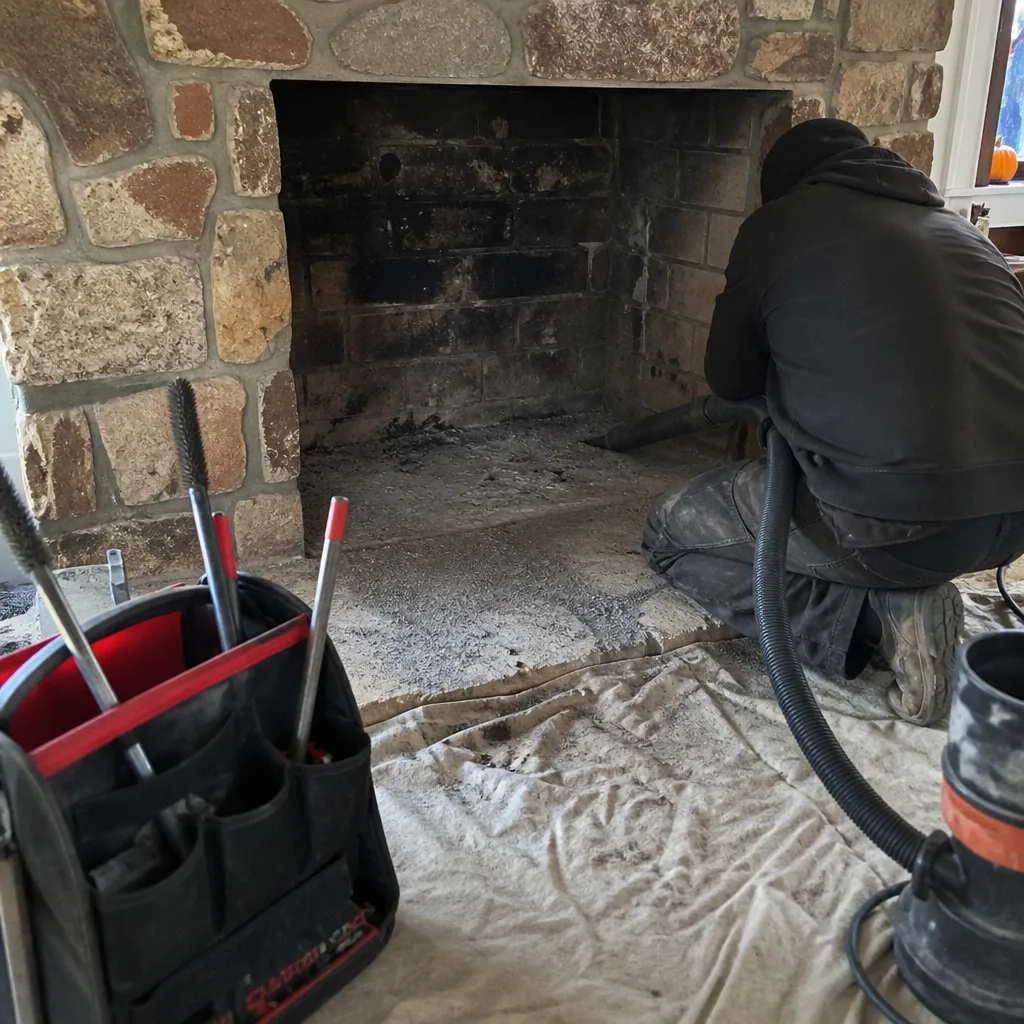 Before
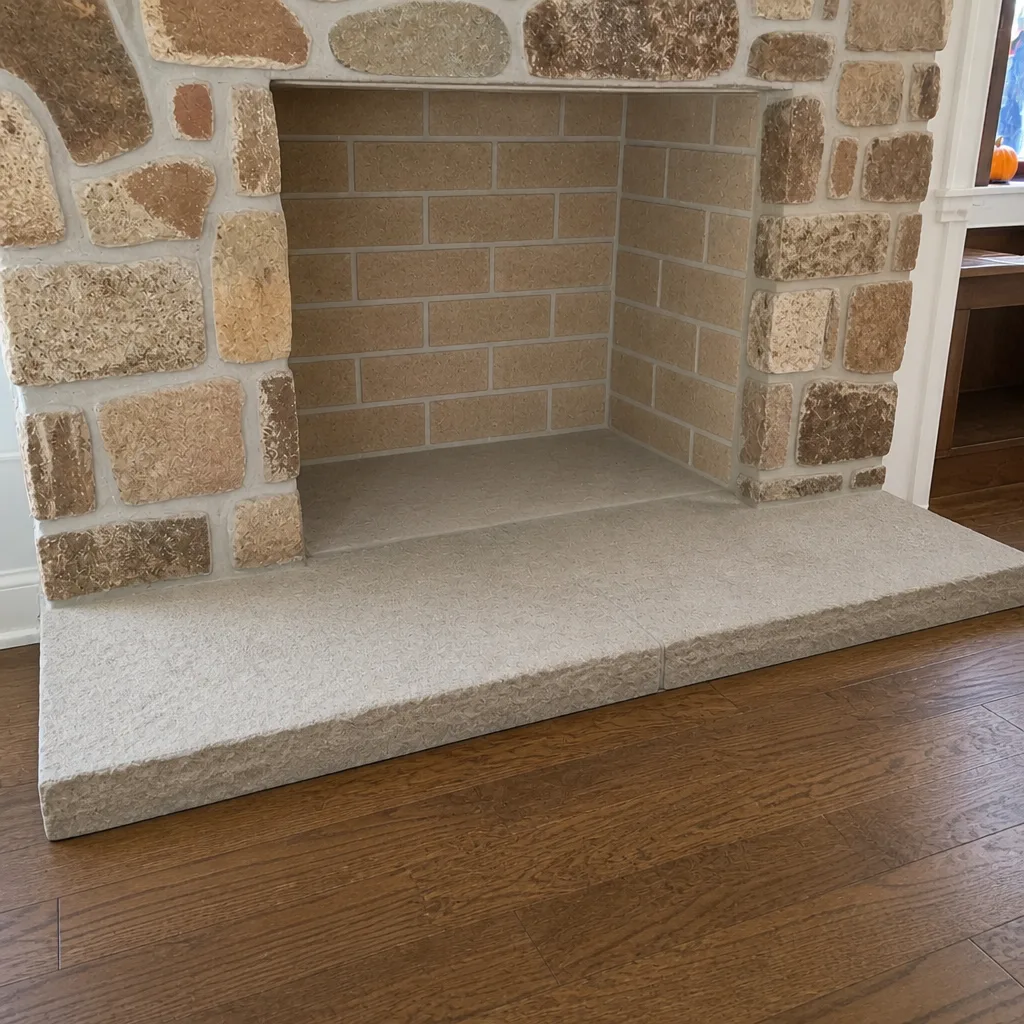 After
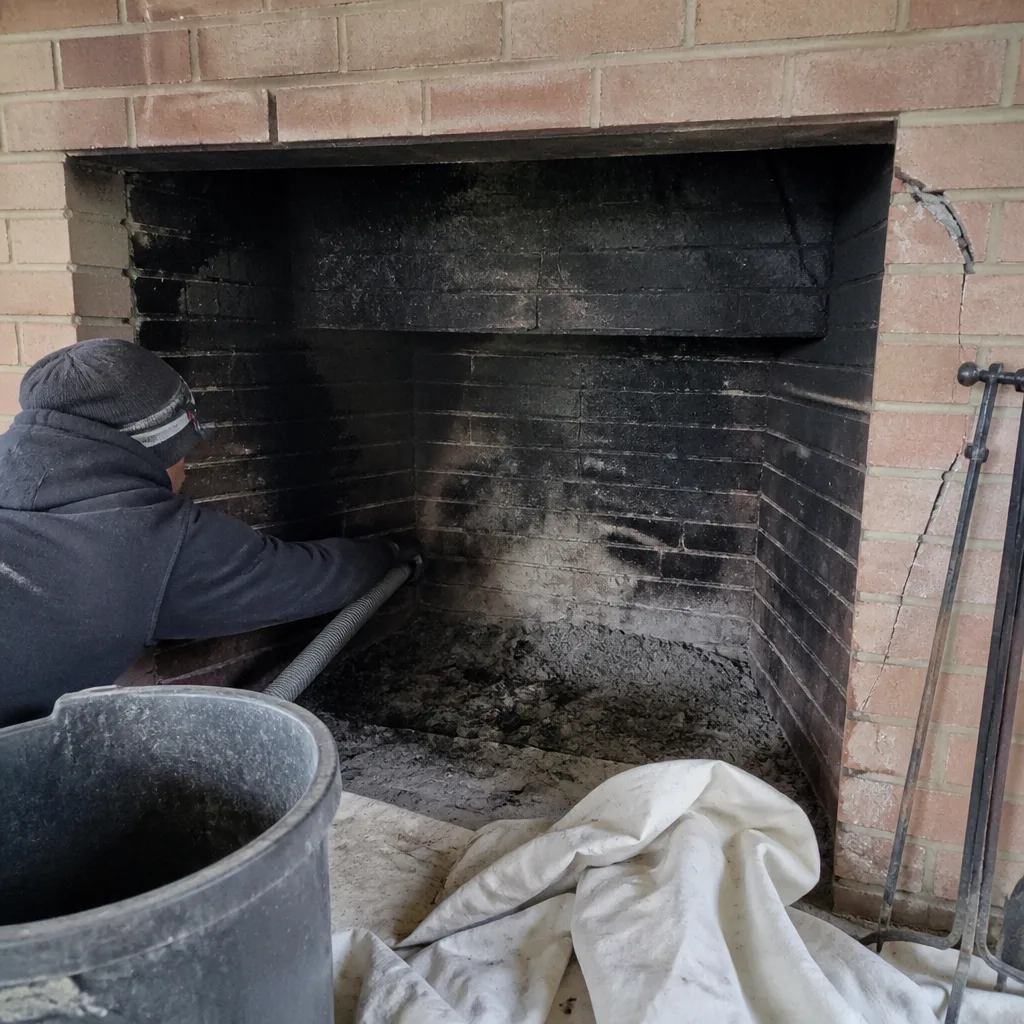 Before
 After
 Before
 After
Frequently Asked Questions
Yes, in a narrow set of conditions – a straight, single-flue chimney with an accessible cleanout, a professional inspection within the last year, dry seasoned wood, and light usage. In every other case, no, and the deciding factor isn’t the cleaning, it’s whether anyone has verified the liner and smoke chamber are sound. Call (877) 559-4656 if you’re not sure which case you’re in – estimates are free.
Stage 1 is fluffy soot that brushes off easily. Stage 2 is a hardened, shiny tar deposit that a poly brush skates across but a professional rotary system breaks down. Stage 3 is glazed, tar-like, and the fire-risk stage – it needs a wire or chain rotary head plus chemical treatment in many cases. A consumer brush kit handles Stage 1 and largely fails at the other two. Call (877) 559-4656 for an assessment if you suspect Stage 2 or Stage 3.
It may, but the insurer’s first question will be whether your chimney was maintained to the professional standard and whether you have a documented inspection and cleaning record. A calendar note or a hardware receipt is not that record. A written inspection report from a trained professional is. Call (877) 559-4656 if you’d like to establish the record before anything happens.
Annually is the standard recommendation, and Brighton’s long heating season means the annual visit carries more weight, not less. If you burn daily through the winter or burn softwood, the interval can be tighter. A professional inspection is what sets the interval for a specific chimney. Call (877) 559-4656 to book a sweep and get a specific answer for yours.
Call a professional – a long-neglected chimney carries the highest likelihood of Stage 2 or Stage 3 creosote, a degraded liner, and a failed cap or crown, and all three of those need eyes on them, not a brush kit. A professional cleaning is the right first step, and it produces the inspection record you don’t have. Call (877) 559-4656 to start.
You need to know the difference before you decide, and the only way to know is an inspection. Cleaning addresses soot; repair addresses cracks, spalling, and liner degradation, and a broken liner isn’t fixed by a brush. We diagnose before we quote – the inspection informs every repair. Call (877) 559-4656 if you’re unsure what you need.
The Bottom Line
DIY chimney cleaning is a legitimate maintenance tool in a narrow set of homes: straight flue, recent professional inspection, dry hardwood, light use. In every other case – and in most Brighton homes – the right call is a professional sweep, because the cleaning is the easy part and the diagnostic access is the actual safety service. A brush kit removes light soot; it can’t assess liner integrity, smoke chamber condition, or creosote staging, and it can’t create the documented inspection record an insurer will want. The DIY line sits exactly where the homeowner can no longer verify the system is safe. When you’re past that line, call us.
Chimney Sweep Brighton works exclusively with professional-grade materials including Gelco, Olympia Chimney, and Famco because a cleaning is only as good as the system it protects. From firebox floor to crown cap, we sweep, inspect, repair, and install caps and crowns – one company, one call. Call (877) 559-4656 for a free estimate. We answer 24/7. Fast dispatch from 7am to 7pm, Sunday through Friday.
Written by the team at Chimney Sweep Brighton.