
Last updated November 24, 2026
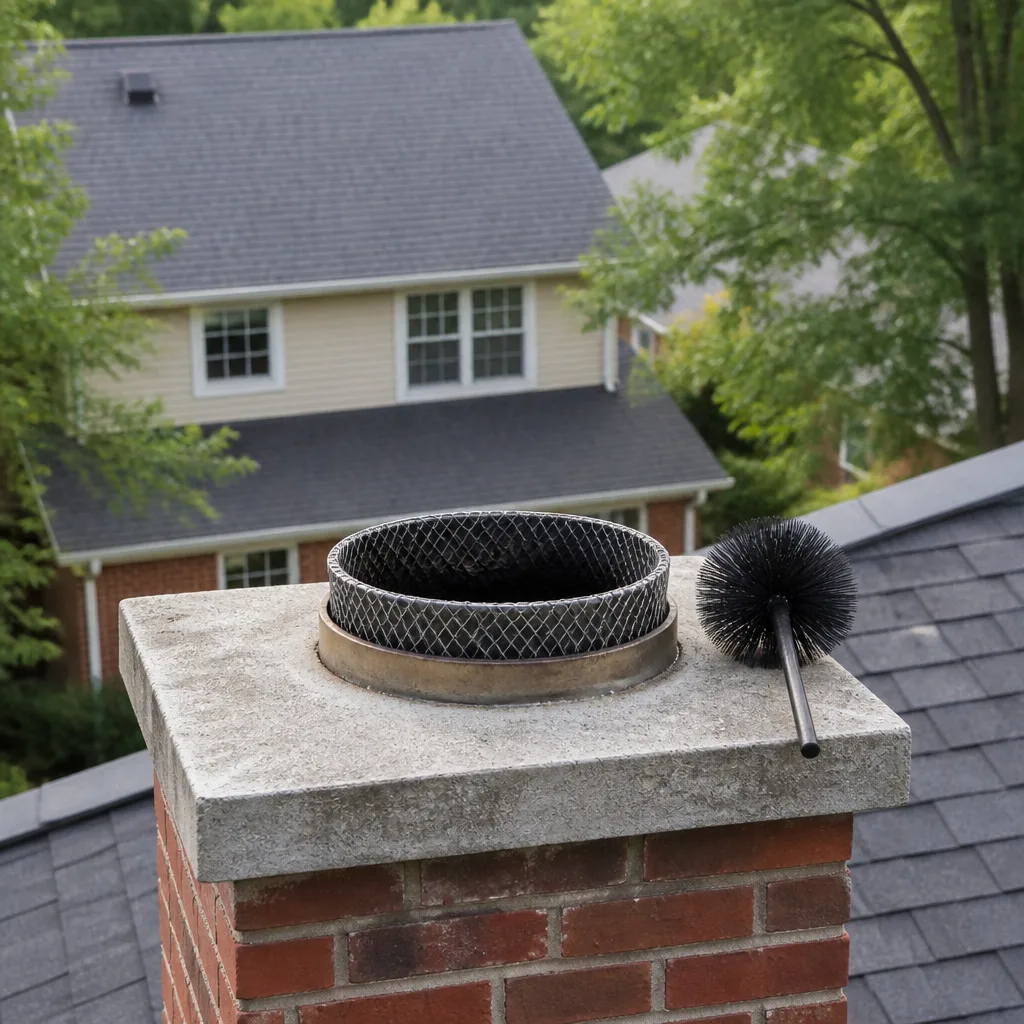 Sweep & inspection
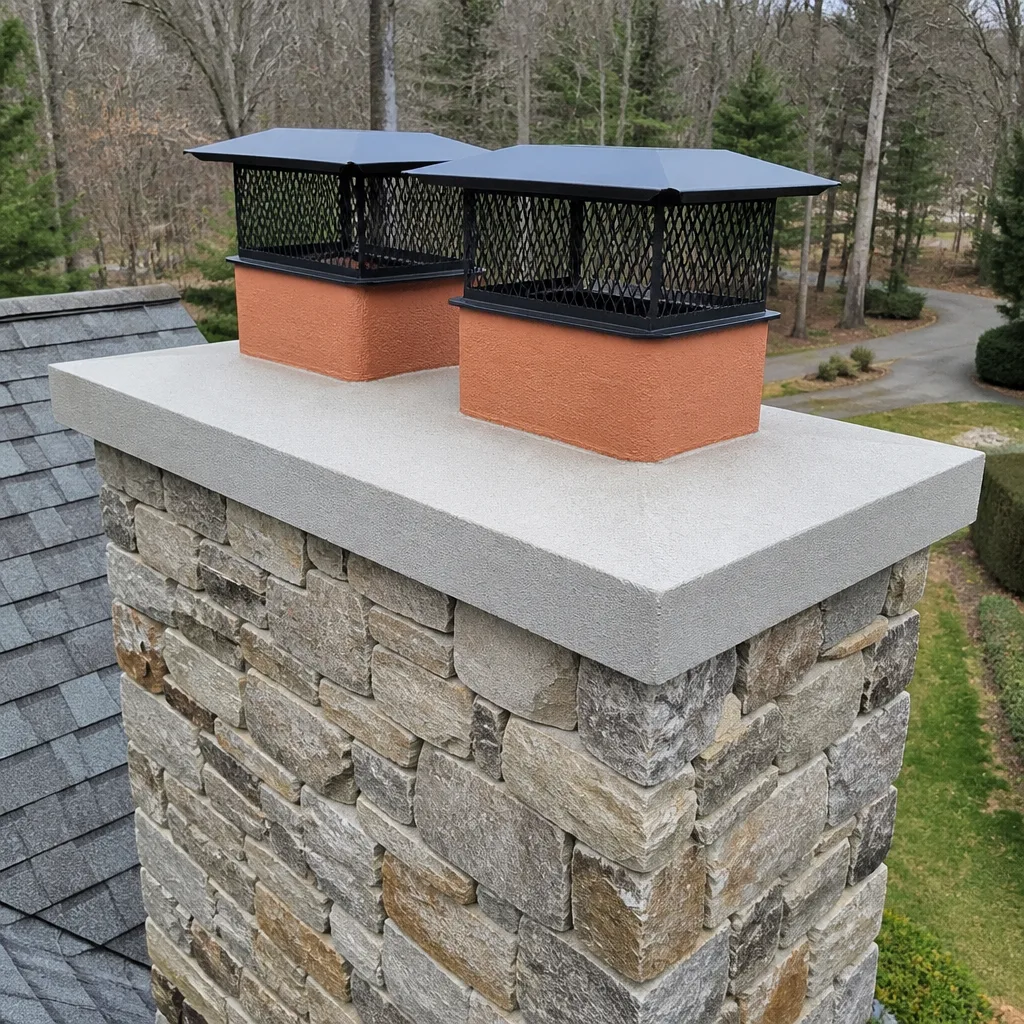 Caps & crowns
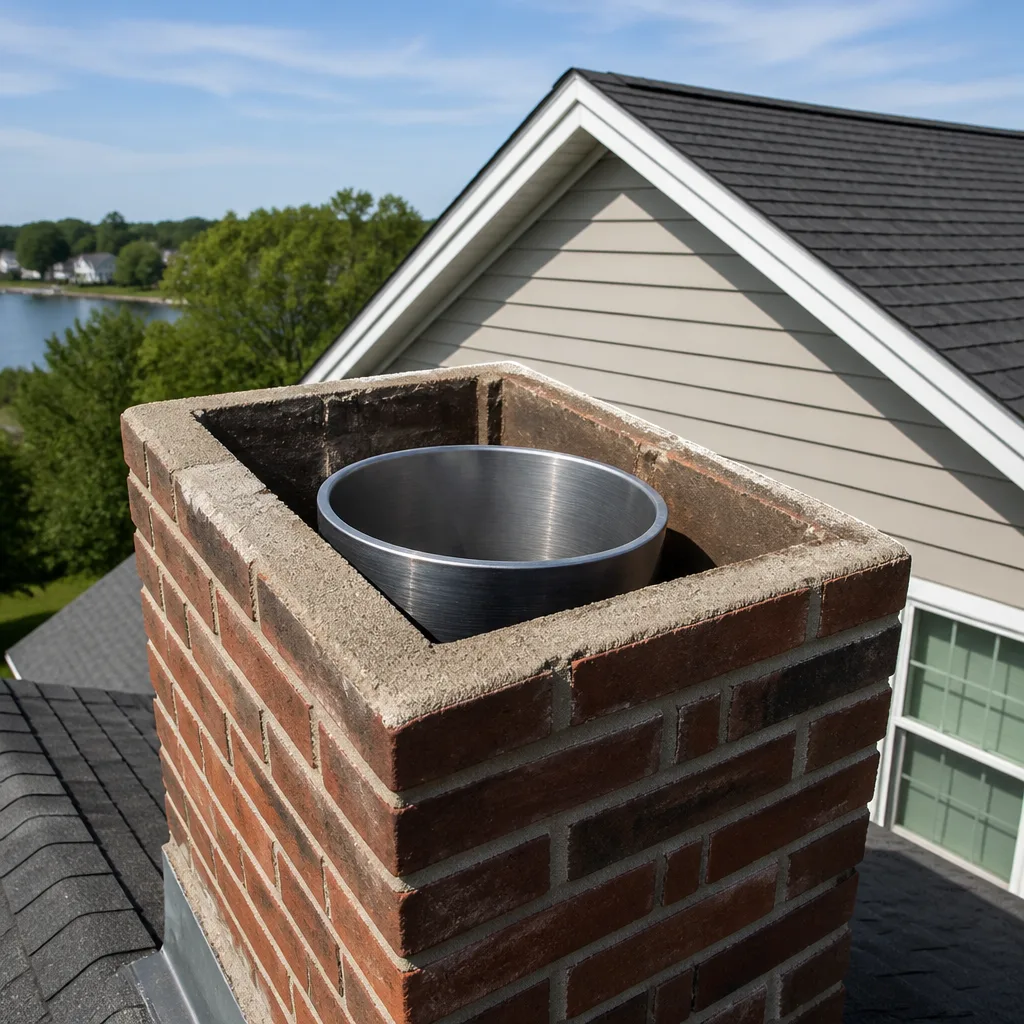 Flue relining
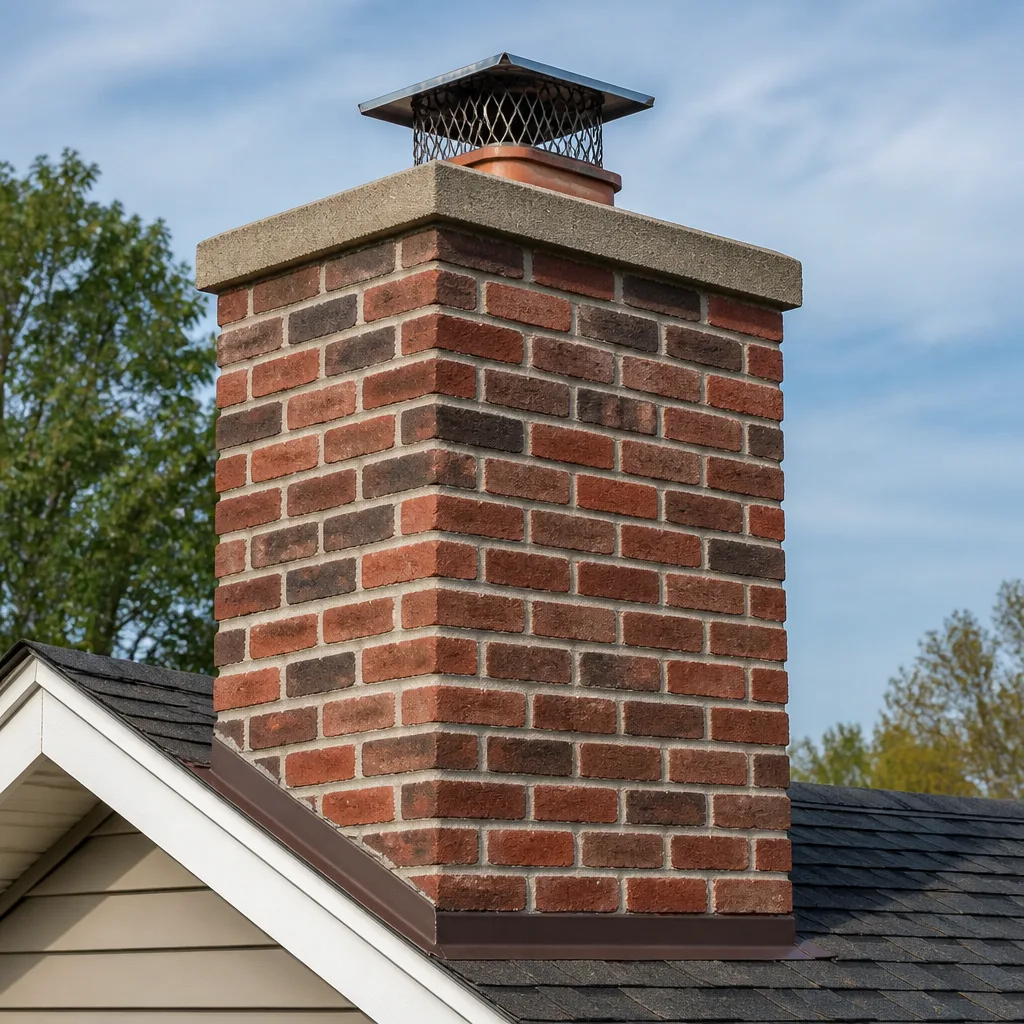 Masonry repair
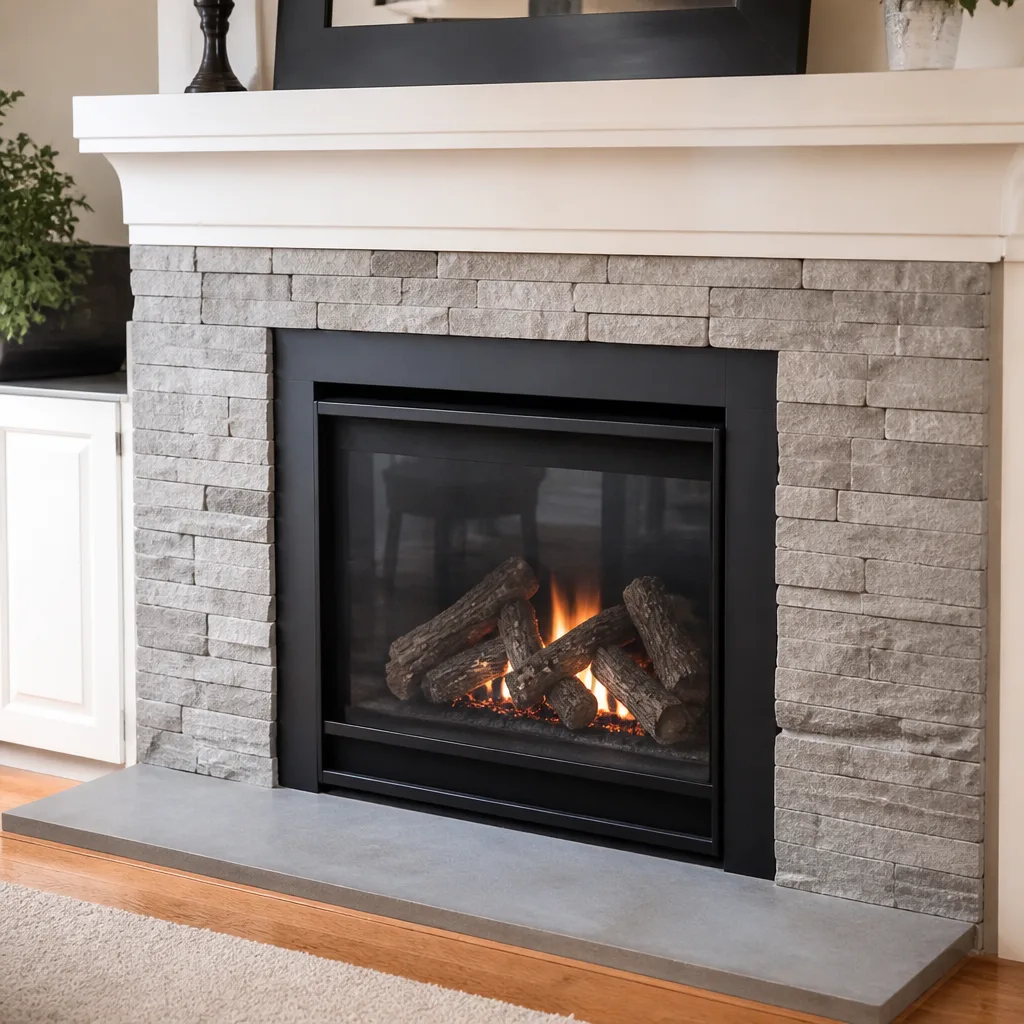 Gas fireplace service
Level 1 sweep and inspection to the NFPA 211 annual standard - flue, crown, cap, and flashing checked and photographed
Chimney sweep logs do not sweep chimneys. They loosen some creosote - which then falls where a brush and vacuum still have to collect it.
The Complete Guide to Chimney Cleaning in Brighton
Most chimney fires don’t start because a homeowner skipped a cleaning. They start because the cleaning stopped at the flue and ignored the smoke chamber shelf, where Stage 2 creosote quietly glazes for years. That’s the part of a chimney you can’t see from the firebox, and it’s the part most quick sweep-and-go visits never touch. A chimney is a system with five distinct zones, and a cleaning that misses any one of them leaves the dangerous layer behind. This guide walks through every zone, how Brighton’s semi-arid climate shapes creosote buildup, which inspection level tells you what cleaning is actually appropriate, and what “fully cleaned” looks like in material terms rather than a glance up the flue.
Quick Answer
A complete chimney cleaning in Brighton addresses all five zones of the assembly (firebox, smoke shelf, smoke chamber, flue liner, and crown and cap), not just the flue. It starts with an inspection that determines whether a Level 1 cleaning or a Level 2 video-scope inspection is appropriate, because cleaning without inspection is guesswork. The result should be a chimney with Stage 2 glazed creosote removed or documented, a clear flue, and a photo report showing what was found and what was done.
Styles & brands we work with
- Sweep & inspection
- Caps & crowns
- Flue relining
- Masonry repair
- Gas fireplace service
Table of Contents
- The Five-Zone Anatomy of a Chimney System
- How Brighton’s Climate Changes Creosote Buildup
- Cleaning Without Inspection Is Guesswork
- How Colorado Wood Species Affect Creosote
- What “Fully Cleaned” Actually Looks Like
- What a Complete Cleaning Involves
- Common Mistakes to Avoid
- When to Call a Professional
- Frequently Asked Questions
The Five-Zone Anatomy of a Chimney System
When we talk about a chimney as a system, we mean five distinct zones that each handle a different part of the combustion process. Most cleaning services stop at zone four and call it done. A thorough cleaning of a Brighton home addresses all five, from the firebox floor to the top of the crown. Here’s what each zone does and what a cleaning should actually include in it.
- Firebox. This is where the fire burns. Ash, soot, and warped firebrick all accumulate here. A cleaning should remove ash to the proper depth, inspect the firebrick for cracks, and check the damper for smooth operation. A firebox with a cracked brick can let heat into the surrounding structure, which is a repair finding, not a cleaning finding.
- Smoke shelf. A horizontal ledge just above the damper that catches falling debris and directs smoke up the flue. It’s the most commonly skipped zone in a quick sweep, and it’s where a lot of creosote sits undisturbed. A cleaning should clear the shelf completely and reach up behind it.
- Smoke chamber. The funnel-shaped space between the smoke shelf and the flue. Smoke slows and swirls here before it rises, which is why Stage 2 glazed creosote tends to build on the chamber walls first. A cleaning that doesn’t address the smoke chamber leaves the most flammable layer in the system.
- Flue liner. The vertical passage that carries smoke out. The liner is clay tile, stainless steel, or in some older Brighton homes a cast-in-place system. Cleaning here means brushing or rotary cleaning matched to the liner type, plus a visual check for cracks, gaps, or misalignment.
- Crown and cap. The crown is the concrete surface on top of the chimney that sheds water. The cap covers the flue opening. A cleaning visit should check both for cracks, spalling, or missing fasteners, because water intrusion from a failed crown turns into liner damage that no cleaning can reverse.
If this feels like a lot, that’s the point. Once you understand why the smoke chamber matters as much as the flue, the difference between a $200 cleaning and a $3,000 repair makes sense. Chimney Sweep Brighton treats each of these five zones as a separate diagnostic step.
How Brighton’s Climate Changes Creosote Buildup
Brighton sits on the semi-arid Front Range, which produces a creosote pattern that behaves differently than in humid climates. The pattern is faster glazing on the smoke chamber and smoke shelf, slower overall flue buildup. Two factors drive this. First, the low ambient humidity means the moisture that would dilute creosote vapors in a humid climate is lower to begin with, so the deposits that form are higher in carbon and lower in water content, which is exactly what hardens into Stage 2 glaze. Second, Brighton’s temperature swings between warm days and cold nights push fires to run hot then cool then hot again, and every cool-down cycle deposits a fresh layer that has less time to dry before the next fire.
What this means for a Brighton homeowner:
- Glaze forms earlier in the smoke chamber. A chimney in a humid climate might take two seasons before Stage 2 shows on the chamber walls. In Brighton, it can appear after a single winter of consistent burning, especially with a wood insert.
- The flue itself often stays cleaner longer. Because the flue runs hotter and the deposits are drier, the top section of the liner may still be at Stage 1 while the chamber below is already at Stage 2. That split is why a cleaning that only runs a brush down the flue can miss the problem entirely.
- Draft issues show up as smoke roll. A cold, dense air mass can push against a short or offset flue on fall mornings, and that’s a sign to inspect the smoke shelf for buildup rather than a sign the chimney was built wrong.
- The dry season matters. Late summer and early fall are the right time to book a sweep in Brighton, because once the first cold snap arrives and the fireplace goes into regular use, the deposits are already forming. Cleaning before the season, not during it, is the practical calendar.
We mention this because the CSIA inspection standard doesn’t say “sweep once a year.” It says sweep when there’s a quarter inch of buildup, roughly. In a semi-arid climate like Brighton’s, that threshold can arrive sooner in the smoke chamber than it does in the flue. That’s why a proper chimney sweep checks the smoke chamber separately from the flue.
Cleaning Without Inspection Is Guesswork
There are three levels of chimney inspection under the industry standard, and only two are relevant to a cleaning visit. The choice between a Level 1 and a Level 2 inspection is the single biggest decision that determines whether a cleaning is appropriate, complete, or inappropriate for your chimney.
Level 1 inspection is a visual check of the readily accessible portions of the chimney with the tools normally used for a cleaning. It’s for chimneys with no known problems, no change in the appliance, and no recent change to the heating setup. A Level 1 plus cleaning is the standard visit for a well-maintained fireplace that’s been swept on schedule.
Level 2 inspection includes everything in a Level 1 plus a video scan of the flue interior and access to concealed areas where possible. It’s for a chimney that has had a change (new insert, new appliance, conversion from wood to gas), has been through a structural event, or is showing symptoms like smoke roll, weak draft, or visible cracks in the smoke chamber. In Brighton, a Level 2 is also the right call when you’ve recently bought the home and don’t know the chimney’s history.
Why does this matter before the cleaning? Because the inspection determines what the cleaning should do. If a Level 2 scan finds a cracked liner tile, the cleaning method changes and the repair comes first. If it finds Stage 2 glazed creosote on the smoke chamber, the cleaning has to remove or chemically treat that glaze, not just brush the flue. And if the scan finds the liner is structurally sound with a smooth surface, the cleaning is a straightforward brush and the chimney repair conversation doesn’t happen at all. Cleaning without an inspection is guessing at all three.
Our approach is to inspect first and quote second. That’s not a marketing line; it’s the only way the estimate reflects what the chimney actually needs. The local pro is licensed and insured as their state requires, and the inspection report with photos goes to you, not just into a file.
How Colorado Wood Species Affect Creosote
What you burn determines what kind of creosote forms, and Colorado’s wood supply pushes toward the harder end of the spectrum. Pine and aspen are the two species most Brighton homeowners burn alongside a smaller share of hardwoods, and both contribute to different creosote behavior than a seasoned hardwood fire would.
- Pine and softwoods. These have more resin and less density per cord, so they burn hot and fast and release more volatile compounds in a shorter window. Those volatiles condense on a cool smoke chamber surface as a sticky, dark layer that oxidizes into Stage 2 glaze over time. The trick is burning pine hot and not smoldering it, because a smoldering pine fire is a glaze factory.
- Aspen. Aspen is a soft hardwood, burns cleanly when fully seasoned, and produces relatively light flue deposits. It’s a good mixing wood but not a substitute for a hotter-burning hardwood on cold nights.
- Hardwoods. When available, hardwood coals last longer and keep flue temperatures steadier, which reduces the cool-down cycles that deposit creosote. The tradeoff is cost and availability along the Front Range.
Wood moisture matters as much as species. Seasoned wood below around 20 percent moisture burns efficiently and leaves less deposit. Green or unseasoned wood produces more steam, which cools the smoke and drives faster condensation on the chamber walls. In Brighton’s dry climate, wood seasons well if it’s stacked with airflow and covered on top, but it can still arrive wet from a supplier. The best practice is to check before you burn, not after you’ve already built a glaze layer.
What does this mean for cleaning method selection? A chimney burned primarily on pine may need the smoke chamber and smoke shelf addressed more aggressively than a chimney burned on hardwood, even if the flue looks equally clean. A sweep that doesn’t ask what you burn isn’t diagnosing the job properly.
What “Fully Cleaned” Actually Looks Like
“Fully cleaned” is a material standard, not a look. A chimney can look clean at the firebox floor and still hold a half-inch glaze on the smoke chamber. A brush run down the flue can knock off Stage 1 soot and leave Stage 2 and Stage 3 intact. So the question worth asking is what material condition the chimney should be in when the cleaning is done, not whether it looks better.
The material standard, zone by zone:
- Firebox: ash removed to the proper depth, firebrick visible with no new ash dust on a fresh wipe, damper operating freely.
- Smoke shelf: clear of fallen debris, no creosote resting on the ledge, reachable with a hand and a light to confirm.
- Smoke chamber: glazed creosote removed down to the masonry surface, or chemically softened and removed where the glaze is thick. The chamber walls should be visible, not coated. Where the glaze is severe enough to have eroded the masonry itself, HeatShield ceramic resurfacing restores the surface without a full relining, which is a different repair than cleaning but a realistic next step when the chamber is structurally compromised.
- Flue liner: brushed or rotary-cleaned to the liner surface. For a clay tile liner, joints should be visible and intact. For a stainless liner like a DuraFlex flexible system, the surface should be smooth with no visible pitting. The flue should be visually checked from top to bottom, not just brushed.
- Crown and cap: crown surface intact with no cracks wider than a hairline, cap in place and fastened, spark arrestor screen intact. A cleaning visit that ignores the crown is a cleaning visit that will be undone by water intrusion within a season or two.
On a large or badly glazed chimney, the cleaning may need to be a two-visit job: brush and chemical treatment first, then a return after the glaze has softened. We tell homeowners upfront when that’s the case rather than quoting a single visit and finding out otherwise. Every cleaning from Chimney Sweep Brighton includes a camera inspection and a photo report, so you can see the material condition yourself rather than trusting the verbal summary.
What a Complete Cleaning Involves
A complete cleaning at a Brighton home follows a predictable sequence. Here’s how a proper visit runs from arrival to wrap-up, so you know what to expect and what to ask about.
- Pre-visit questions. The technician asks what you burn, how often, and whether anything has changed in the appliance. Those answers determine the inspection level.
- Level 1 or Level 2 inspection. Visual checks for Level 1, video scope for Level 2. The technician looks at all five zones, not just the flue.
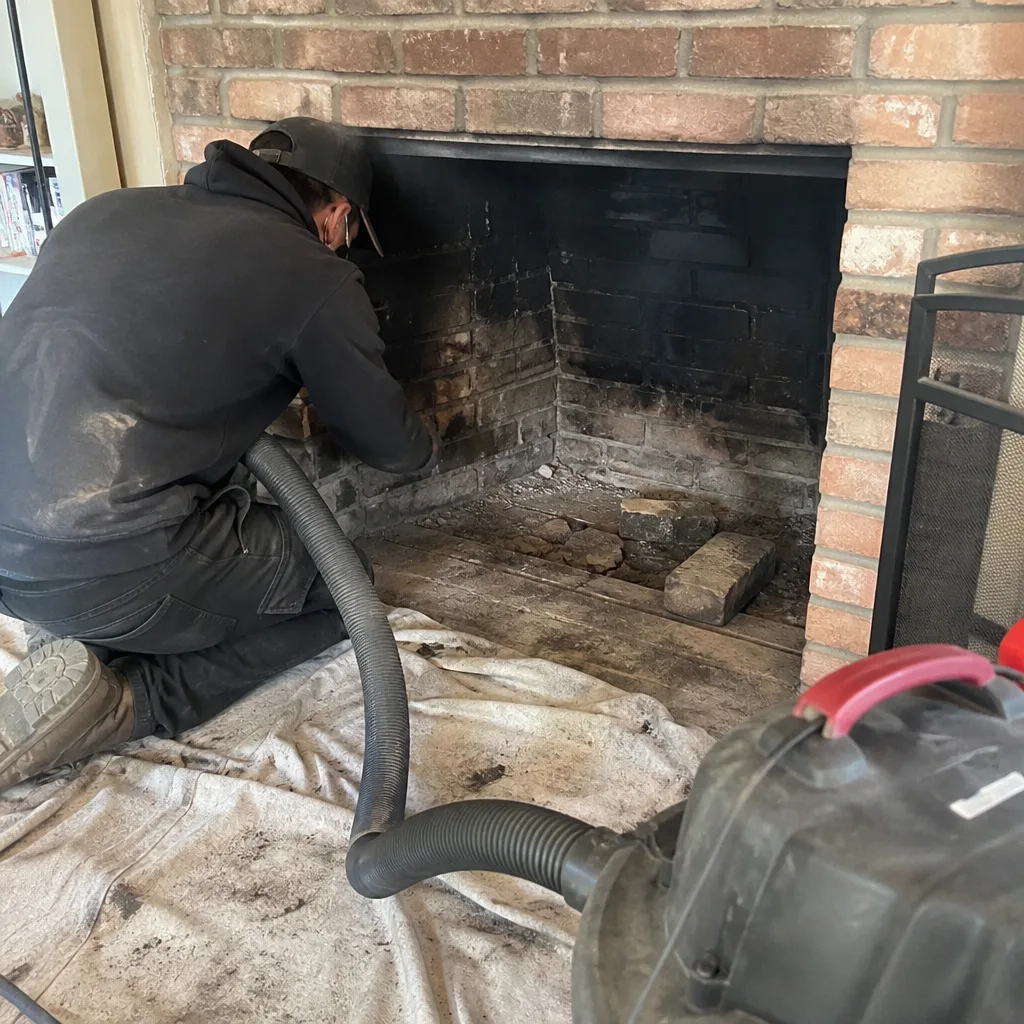
- Protection of the living space. Drop cloths and negative air pressure keep soot out of the room. If this isn’t happening, the visit isn’t being run properly.
- Firebox and smoke shelf. Ash removal, shelf cleared, damper checked.
- Smoke chamber cleaning. Hand cleaning and, where needed, chemical treatment of Stage 2 glaze. This is the step most quick sweeps skip.
- Flue cleaning. Rotary brush matched to the liner material. Clay tile, stainless, and cast-in-place liners each want a different brush type.
- Top-end check. Crown, cap, and spark arrestor inspected from the roof. Any crown cracks noted and photographed.
- Photo report and revision of the estimate. If the inspection found a repair (cracked tile, glazed chamber, failed crown), the estimate is revised with what the photo shows. Nothing is recommended without camera evidence you can review.
From the firebox floor to the crown cap, one company, one call. That’s the standard a full-system specialist works to, and it’s why we can handle the repair side of the conversation when the cleaning uncovers something the sweep alone can’t fix. Fireplace-specific issues, like a gas log set that needs service or a firebox refractory that’s cracked, get handled in the fireplace repair scope.
Common Mistakes to Avoid
These are the ones we see most often in Brighton, and each one turns a routine cleaning into a larger repair conversation.
- Skipping the smoke chamber. A sweep that runs a brush down the flue and leaves the chamber untouched is the leading cause of Stage 2 glaze accumulations. It’s also the most common reason a “just cleaned” chimney ignites.
- Cleaning without an inspection report. If you don’t get a photo report, you don’t know what was found or what was left. In Brighton, the inspection is what tells you whether the next step is a cleaning or a repair.
- Burning unseasoned pine. Wet pine burns cool and smolders, which is the fastest way to build hard glaze. Check moisture before you burn, not after the chimney’s already coated.
- Ignoring crown cracks because the fire draws fine. A hairline crack in the crown lets water into the masonry and the liner behind the flue, which is invisible from inside. By the time the draft suffers, the repair is larger than a crown patching.
- Treating a Level 1 inspection as sufficient after a change. A new insert, a gas conversion, or a home purchase calls for a Level 2. A Level 1 is for a chimney you already know.
- Booking only the flue and assuming the cap is fine. A missing or loose cap lets rain, birds, and debris straight into the liner. The cap is the cheapest part of the system to keep in service and the most expensive to neglect.
- Waiting until smoke rolls into the room. Smoke roll means the chimney is already struggling. In Brighton’s cold snaps that moment arrives without warning, and the fix is easier before the fire is lit than after.
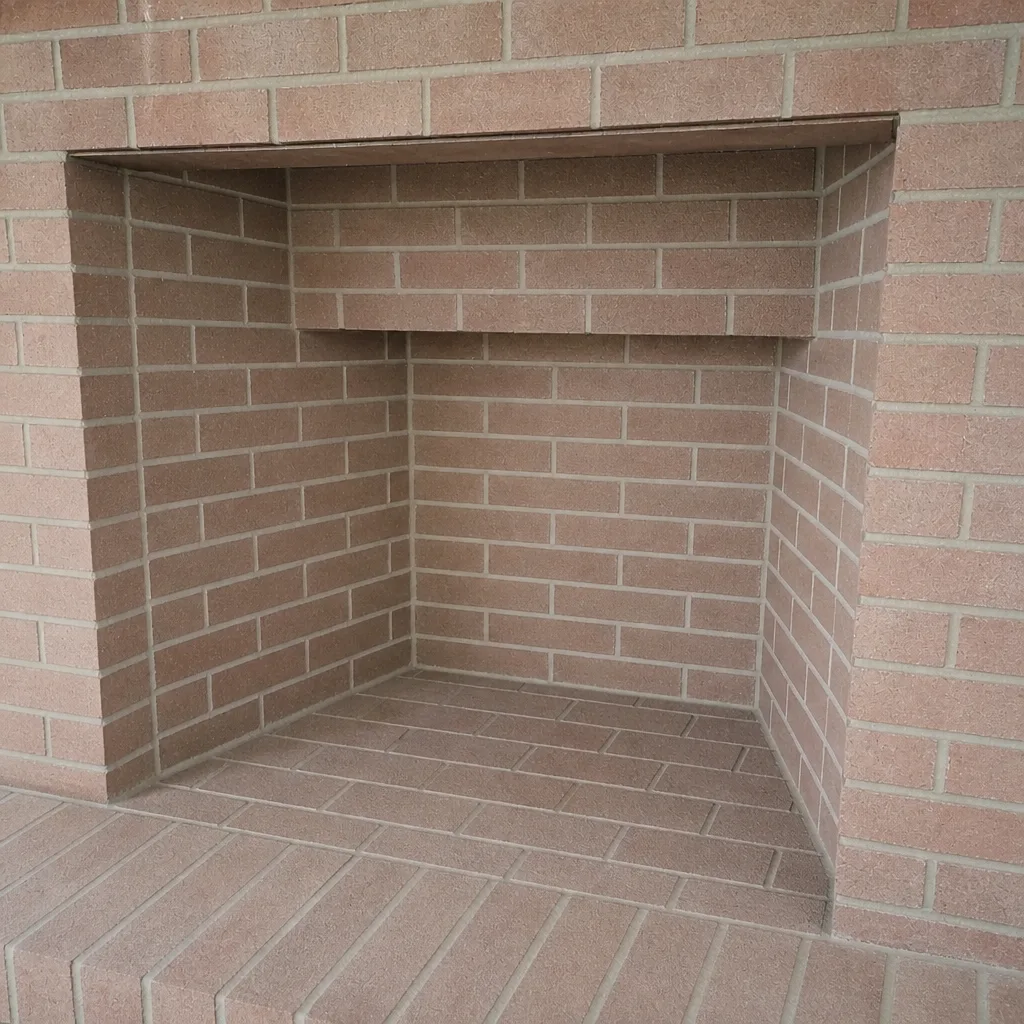
See the difference
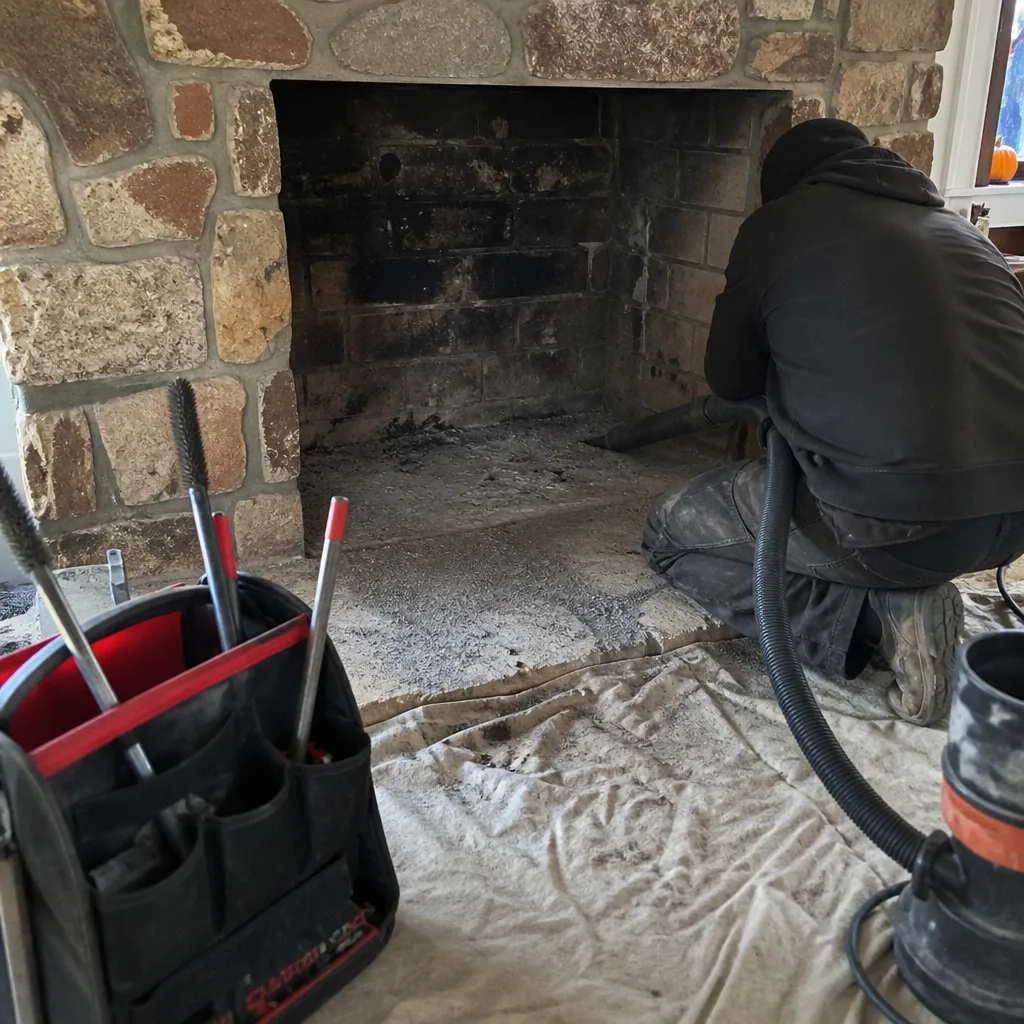 Before
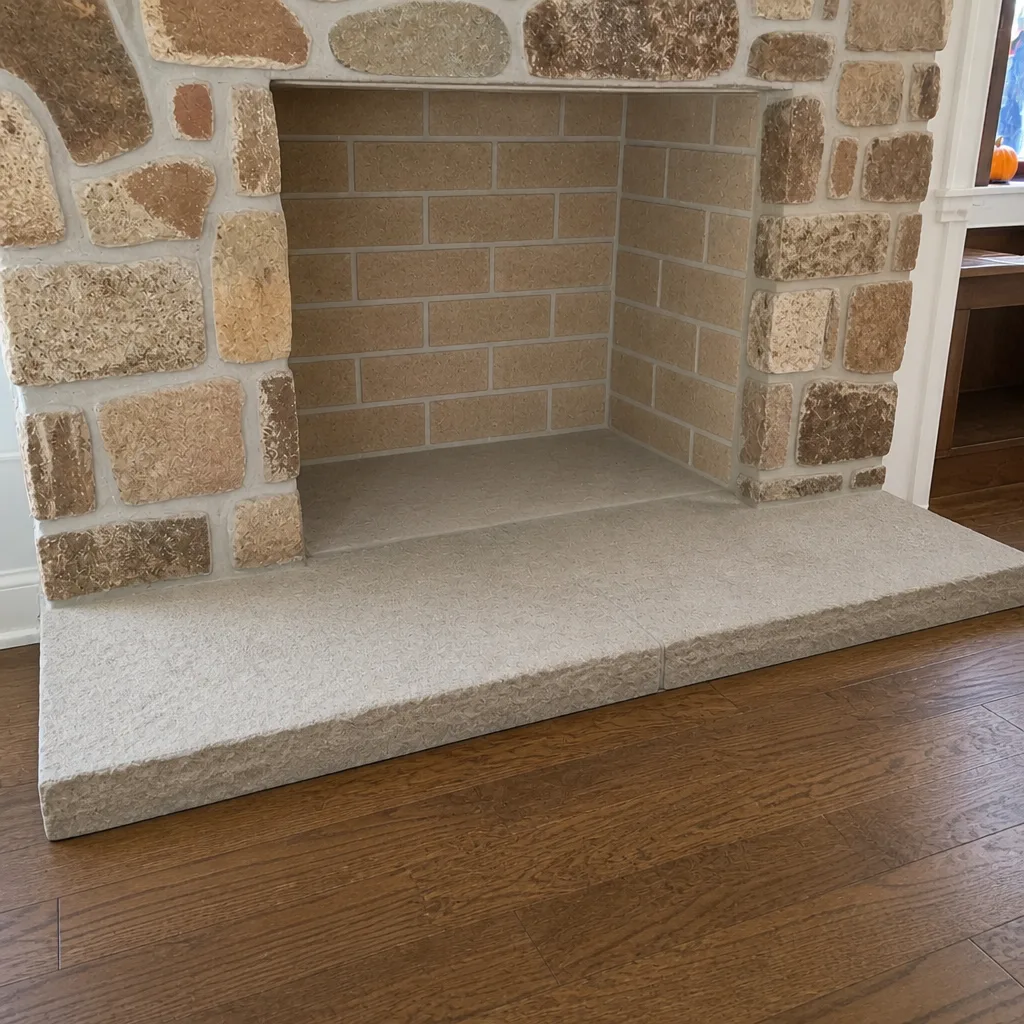 After
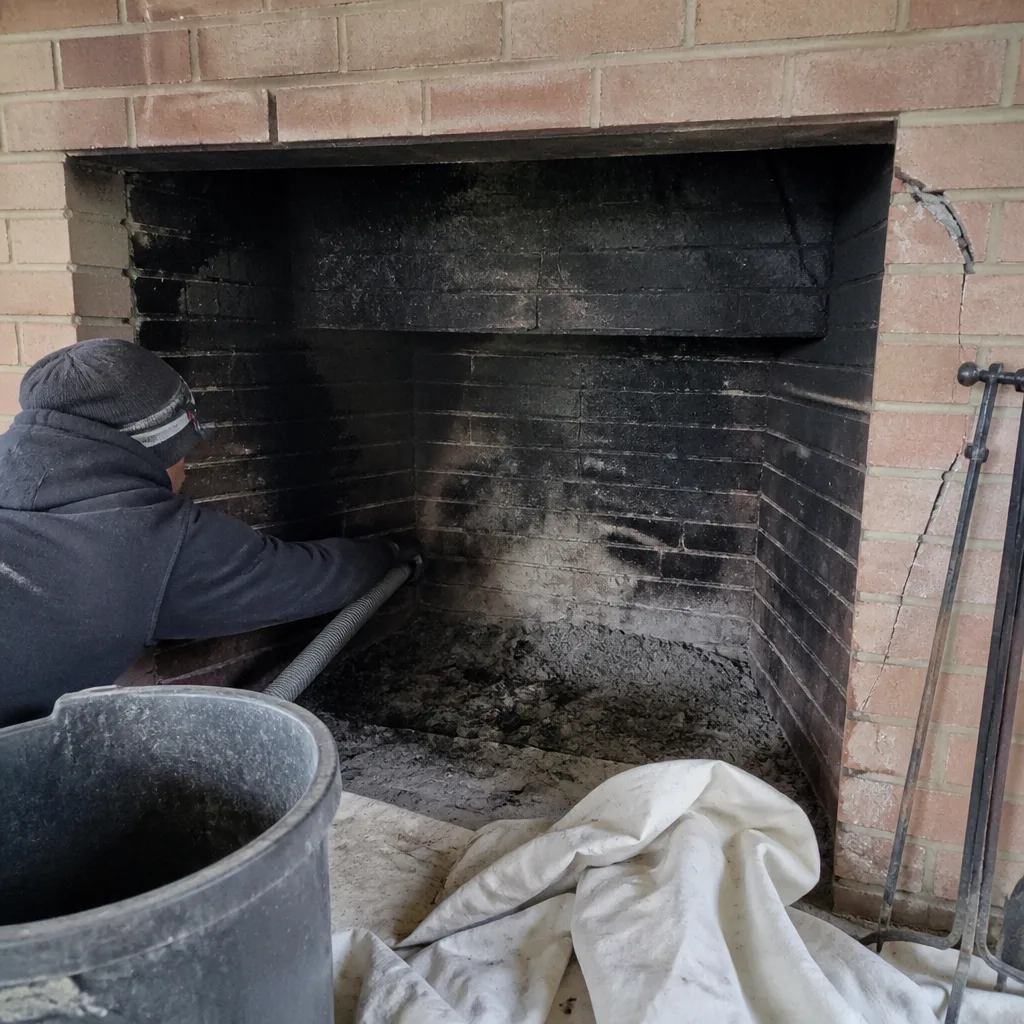 Before
 After
 Before
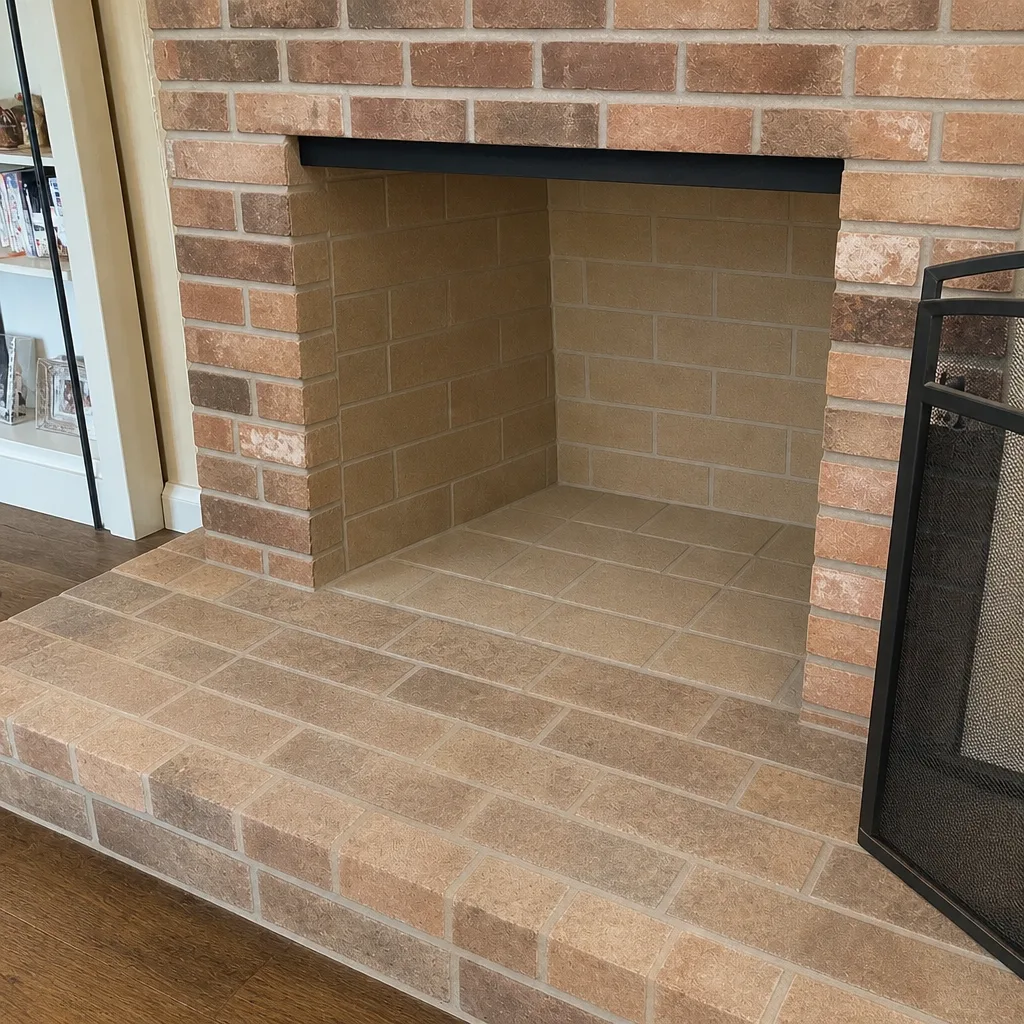 After
When to Call a Professional
Some findings genuinely need a trained technician and some can wait. Call us when you smell a strong creosote odor in warm weather, when smoke rolls into the room instead of drawing up, when you’ve had a chimney fire (even a small one), or when you’ve bought a Brighton home and don’t know the chimney’s history. Call before the first fire of the season if the chimney hasn’t been swept in a year, and call right away if you can see cracked masonry inside the firebox or on the crown. High-tension components and structural masonry aren’t DIY territory; a mistake there can cause serious injury or a larger repair, so let a trained professional handle it. Chimney Sweep Brighton offers free estimates in Brighton. Call (877) 559-4656. We answer 24/7. Fast dispatch from 7am to 7pm, Sunday through Friday.
Frequently Asked Questions
Most chimney cleanings in Brighton fall in the $180 to $350 range for a standard fireplace, with the exact price set by the written estimate after the inspection. Chimneys that need a Level 2 video scope or chemical treatment of Stage 2 glaze run higher because the job is genuinely larger. Call (877) 559-4656 for an exact quote; estimates are free.
Once a year during active use is the practical baseline for most Brighton fireplaces, but the real trigger is buildup, not the calendar. In our semi-arid climate, Stage 2 glaze can appear on the smoke chamber after a single season of heavy burning, which is sooner than a humid climate would show. Call (877) 559-4656 for an exact quote; estimates are free.
Often no, and that’s the finding worth knowing. HeatShield ceramic resurfacing restores a liner that’s worn or lightly damaged without a full relining, and it’s a legitimate repair path when the structure is sound enough to hold the ceramic. We don’t recommend a new liner without a camera scan showing the damage you can review yourself, and we say plainly when the liner can safely wait. Call (877) 559-4656 for an exact quote; estimates are free.
Creosote builds in layers, and Stage 2 glazed creosote is far more flammable than the soot left by a single season. The longer the smoke chamber goes unaddressed, the more the glaze hardens and the harder it is to remove, so a skipped cleaning converts a routine sweep into a chemical treatment or a resurfacing repair. Call (877) 559-4656 for an exact quote; estimates are free.
A Level 1 is a visual inspection of the readily accessible parts of the chimney, done as part of a routine cleaning. A Level 2 adds a video scan of the flue and access to concealed areas, and it’s the right call after a new appliance, a home purchase, or any sign of trouble. For a Brighton chimney you don’t have history on, ask for Level 2. Call (877) 559-4656 for an exact quote; estimates are free.
No. Many chimney fires are small, brief, and self-extinguishing, leaving no sound louder than a rumble and no visible damage from inside the room. A hot smell, discolored creosote in the firebox, or a puffy residue on the smoke chamber are the after-signs. If you suspect one happened, book an inspection before the next fire. Call (877) 559-4656 for an exact quote; estimates are free.
The Bottom Line
Chimney cleaning in Brighton is a layered diagnostic process, not a single task. The five zones each need attention, the inspection level determines what cleaning is even appropriate, and the wood you burn shapes the kind of creosote you’re fighting. The standards that matter are material, not visual: glazed creosote actually removed from the smoke chamber, a liner scanned and documented, a crown checked before water gets in. Our technicians have up to 13 years of experience, and we work with professional-grade materials including HeatShield, DuraFlex, and Olympia Chimney so a repair is done to a standard the next inspection will still pass. Call (877) 559-4656 for a free estimate, and ask for the photo report.
Written by the team at Chimney Sweep Brighton.